


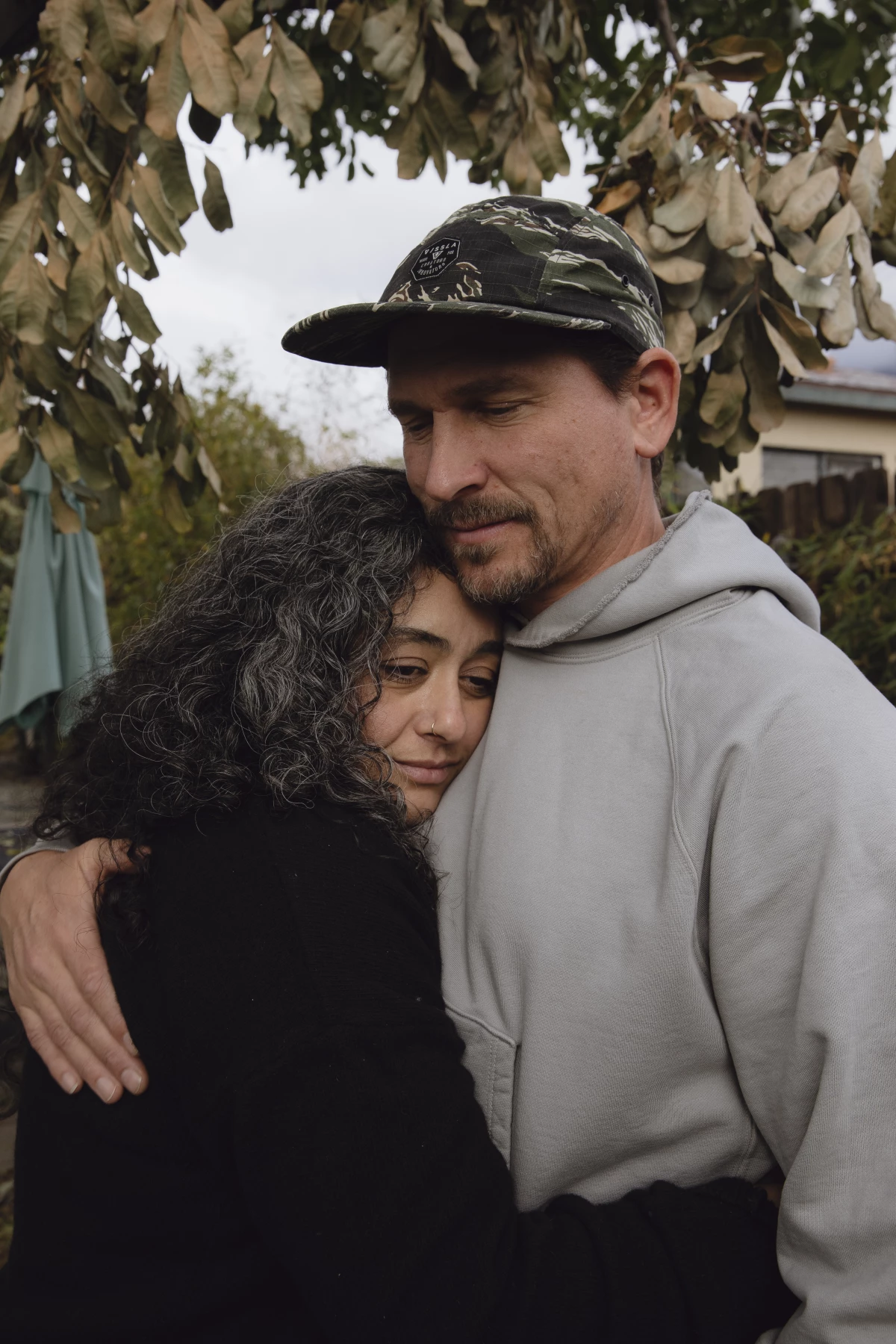
In a nearly empty rental house in East Los Angeles County, Sogol Moshfegh was struggling last week to assemble an IKEA bunk bed for her two young boys. “Got those two bits done!” she laughed, standing with pieces of the bed around her.
The family lost their home in the Altadena Fire and had been staying with Moshfegh’s parents. As they started to move in here, writing that first rent check brought home the challenges they now face. “Our insurance doesn’t cover the cost of living, so all of it will be out of pocket,” she said. “We’re really lucky to have a GoFundMe that’s helping with that.”
Last summer, like so many others in L.A.’s burn zones, Moshfegh and her husband’s insurance company said it would not renew their policy. Their broker called around trying to replace it, but told the couple their entire ZIP code was “closed.”
Over the past few years, tens of thousands of Californians have faced the same shock. Major companies like State Farm and Allstate have been pulling back as wildfires in the state have intensified. That’s forced many people to turn to insurers of last resort, which typically cost more but offer less coverage. Now, fire victims like Moshfegh and her husband, Daniel Clason Hook, say that limited coverage will make recovery — and hopes of rebuilding — even more difficult.


After their broker struck out, she told them they’d have to go with a policy through their mortgage company. Mosghfegh said they’ve only just realized how much less that covers than their old policy.
Their insurance will pay for rebuilding the home, though likely only half the cost. That means all the equity they’d built up — much of it through her husband’s hard work to improve the place — is gone. Their policy also will not cover all the possessions they lost or the rent for temporary living arrangements until they can rebuild.
Looking back now, Moshfegh says that if their old insurance company had told them they needed to charge more to keep the policy, she would have gladly paid. “I didn’t have a choice,” she said. “That’s what I think is kind of messed up.”

California’s fire risk is high, but its insurance is cheaper than in many other states
In fact, the insurance industry agrees. It says companies have been retreating from California precisely because they aren’t allowed to charge enough to cover their risk.
“The real issue is the inability to get adequate rates,” said Mark Sektnan, with the American Property Casualty Insurance Association.
He pointed to a 1988 California ballot measure that aimed to prevent arbitrary insurance rate hikes. But Sektnan said it led to regulation that has kept the state’s rates artificially low. “Insurers have been losing money in California for the last 10 years,” he said.
To cut those losses, insurers have stopped writing new policies — and stopped renewing existing ones — in the highest-risk ZIP codes, like Altadena and Pacific Palisades.
Recognizing the crisis, state regulators had just approved new rules that will allow insurers to set higher rates, in exchange for writing more policies in fire-prone areas. But Setknan says it will take time to roll out.
Meanwhile, the exodus of big insurers over the past two years left independent brokers scrambling to find companies willing to protect people. Jake Pullen, owner of Pullen Family Insurance Agency, has dozens of clients in Pacific Palisades. As the fire there exploded, he panicked, wondering if anyone might have had missing paperwork or a billing issue.
“I was worried sick, literally. My stomach was in knots,” he said, “auditing all the ZIP codes that the fires were in and making sure that all my clients had policies.” They did.
Pullen says he’s enrolled about half his clients in what’s called the California FAIR plan. It was created by the state to be an insurer of last resort — but demand has skyrocketed, with the number of policyholders doubling in recent years.
“It’s not fair to people … to just not be insurable”
The FAIR plan costs more, covers less and has an all-inclusive payout capped at $3 million. For Michael Balsley and his family, whose Palisades home is completely gone, that means a major loss.
“We would never be able to build the house as it was when we bought it, let alone what it was with all our belongings and improvements,” Balsley said.
When he and his wife bought the place a couple years ago, they did consider the possibility of wildfires. They ruled out living next to a lush park that could ignite, but they never imagined fire would wipe out the village center. Balsley would like to see insurers and governments work out new options for living with this higher level of risk.
“It’s not fair to people who live in California to just not be insurable,” he said. “Because there’s many places that I think are really safe. But for places like ours, where there’s a question, it would have been nice to say, ‘Well, what could make it insurable?’ “


For Moshfegh, the expense of rebuilding her family’s house in Altadena is daunting. Their limited insurance means they’d have to take out another large loan, while still paying the mortgage on their destroyed home, plus years of rent in temporary places.
“I’m trying to be really optimistic about it, but there’s so much of me that’s like, this is going to bankrupt us,” she said. “And I don’t want that to happen.”
Moshfegh said she still wants to be a homeowner again, to build up wealth they can leave for their children. But she’s not sure she wants to do that in California.
Transcript:
AILSA CHANG, HOST:
Many fire victims in Los Angeles lost their homeowners insurance before they even lost their homes. Major companies, like State Farm and Allstate, have been pulling back from California as wildfires here have intensified. NPR’s Jennifer Ludden reports.
JENNIFER LUDDEN, BYLINE: In a nearly empty rental house in East LA County, Sogol Moshfegh is struggling to assemble an IKEA bunk bed for her two young boys.
SOGOL MOSHFEGH: Got those two beds done.
LUDDEN: The family lost their home in the Altadena fire. They’ve just started moving in here. Order-out lunch arrives.
MOSHFEGH: Pizza time.
UNIDENTIFIED CHILD #1: Yeah.
UNIDENTIFIED CHILD #2: That’s for kids.
LUDDEN: Last summer, like so many others in LA’s burn zones, Moshfegh and her husband’s insurance company said it would not renew their policy. When their broker called around to replace it…
MOSHFEGH: She was like, I’m trying to get you insured, but your whole zip code is closed.
LUDDEN: They ended up with a policy through their mortgage company, which was a relief, but they’re only now realizing it covers a lot less than their old policy. It will pay for a rebuild, though, likely only half the cost. She says it will not cover all the possessions they lost or the rent for this temporary place.
MOSHFEGH: So all of it will be out of pocket, and we’re really lucky to have a GoFundMe that’s helping with that.
LUDDEN: Looking back, Moshfegh says she would have happily paid more to keep her old insurance policy. But the insurance industry says this is exactly why companies have been retreating from California. They are not allowed to charge enough to cover their risk.
MARK SEKTNAN: The real issue is the inability to get adequate rates.
LUDDEN: Mark Sektnan is with the American Property Casualty Insurance Association. He says for decades, state regulation has kept rates artificially low. Brand-new rules will allow insurers to raise rates, but they’ll take time to roll out.
SEKTNAN: This is a risk-based product. And so those people who have the highest risk should actually pay more.
LUDDEN: Meanwhile, with the exodus of big insurers over the past two years, independent brokers have scrambled to find companies that will protect people. Jake Pullen has dozens of clients in Pacific Palisades, and as the fire there exploded, he panicked. Was there any missing paperwork?
JAKE PULLEN: I was worried sick. Literally, my stomach was in knots. I was auditing all the zip codes that the fires were in, making sure that all my clients had policies.
LUDDEN: Thankfully, his clients were all covered. Pullen says he got about half of them enrolled in what’s called the California FAIR Plan. It was created by the state to be an insurer of last resort, but demand has skyrocketed. It costs more and covers less, with an all-inclusive payout capped at $3 million. For Michael Balsley and his family, whose Palisades home is completely gone, that means a major loss.
MICHAEL BALSLEY: We would never be able to build the house as it was when we bought it, let alone what it was with all our belongings and improvements and things like that.
LUDDEN: Balsley says when he and his wife bought the place, they did think about wildfires. They ruled out living next to a lush park that could ignite, but they never imagined fire would wipe out the village center. He’d like to see insurers and governments work out new options for living with this higher level of risk.
BALSLEY: It’s not fair to people who live in California to just not be insurable because there’s many places that I think are really safe. But for places like ours, where there’s a question, it would have been nice to say, well, what could make it insurable?
LUDDEN: For Sogol Moshfegh, the expense of rebuilding her family’s home in Altadena is daunting. Their limited insurance means they’d have to take out another big loan while still paying their mortgage and years of rent.
MOSHFEGH: I’m trying to be really optimistic about it. But there’s, like, so much of me that’s like, this is going to bankrupt us, and I don’t want that to happen.
LUDDEN: She says she still wants to be a homeowner again, but maybe not in California. Jennifer Ludden, NPR News.
