


HUNT, Texas — Nearly two weeks after flash floods devastated parts of the Texas Hill Country, recovery efforts are in full swing, led by the state and an army of volunteers and church groups. The Federal Emergency Management Agency is also helping, despite questions about its capabilities after a recent loss of staff, and past comments by President Trump that the agency should be restructured or even eliminated.
Further doubts about FEMA’s responsiveness were raised in a New York Times article last week, which reported that a poorly timed failure to renew a contract meant the agency didn’t have enough people available to answer all the calls coming in to its disaster help line.
But FEMA is now on the ground in the Texas flood zones, and following the same playbook from previous disasters: set up a service center and start processing claims.
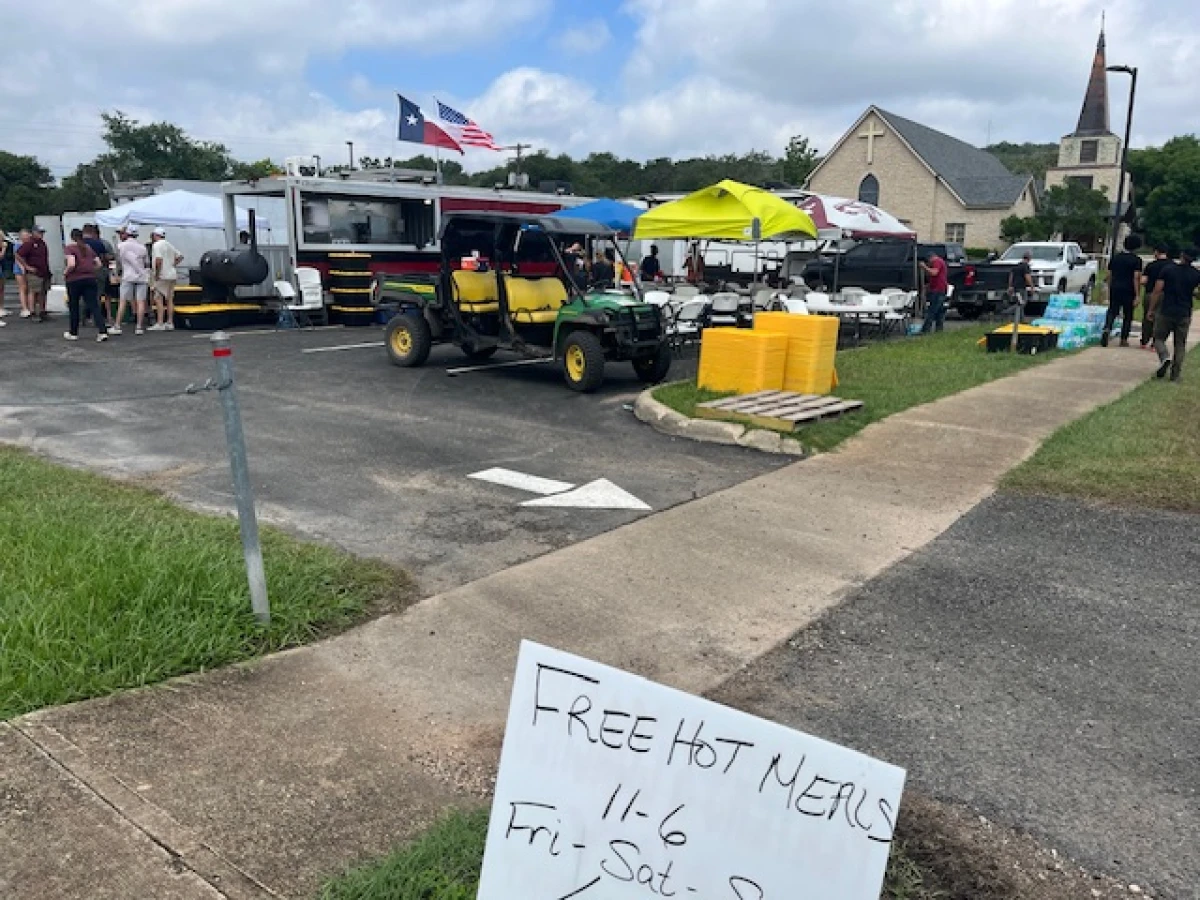
Patsy Bell emerges from the church gymnasium housing the FEMA service center in Kerrville and says she’s very satisfied.
“They got me to different sections where I needed to go to talk to people,” Bell says, referring to the different kinds of disaster aid services available. Her house was damaged by wind and rain during the July 4 storm, and now mold is growing. She says FEMA may give her rent money to find a temporary place to live, and has already approved a grant for her house.
“They’re sending money to a bank, and that will go towards the repairs and all that stuff,” Bell says. “They have been a real help to me and my family.”
FEMA does not have a service center up the river in the community of Hunt, which was hit particularly hard, losing key infrastructure, such as the general store and post office. But the agency has started sending contractors into Hunt, and even farther up the river, to assess damage claims.
“It went really well,” says Bonnie Spillers, whose house upstream from Camp Mystic was swamped by the river. When she and her husband, both in their 80s, registered with FEMA, it sent a representative to their house.
“I think she took adequate time,” Spillers says. “We had [been] told they might be there 15 minutes, but maybe she was there an hour.”
But while FEMA is helping now, she says the first people on the scene after the flood were volunteers with the evangelical Christian charity Samaritan’s Purse.
“And then church friends, and then family,” she says. “I mean there were 20 people working on the property for at least three days, four days.”
Once you start looking, you see these volunteer groups everywhere in the flood zone. There are searchers on horseback, church groups mucking out flooded houses, and massive trailers with mobile kitchens sent in by out-of-town churches.
In Hunt, two local churches have become donation hubs, overflowing with food, cleaning supplies and clothes.
“We could open our own thrift store right now if we wanted to. It’s come and get what you need,” said Sheree Harris, wife of the pastor at Hunt United Methodist Church and a retired pastor herself. The stone-clad church building, up above the flood line, has also become a base for other organizations, such as the Red Cross, which is offering counseling and financial aid to flood victims.
Harris says she expects people will need help for a long time, and the church will keep pitching in.
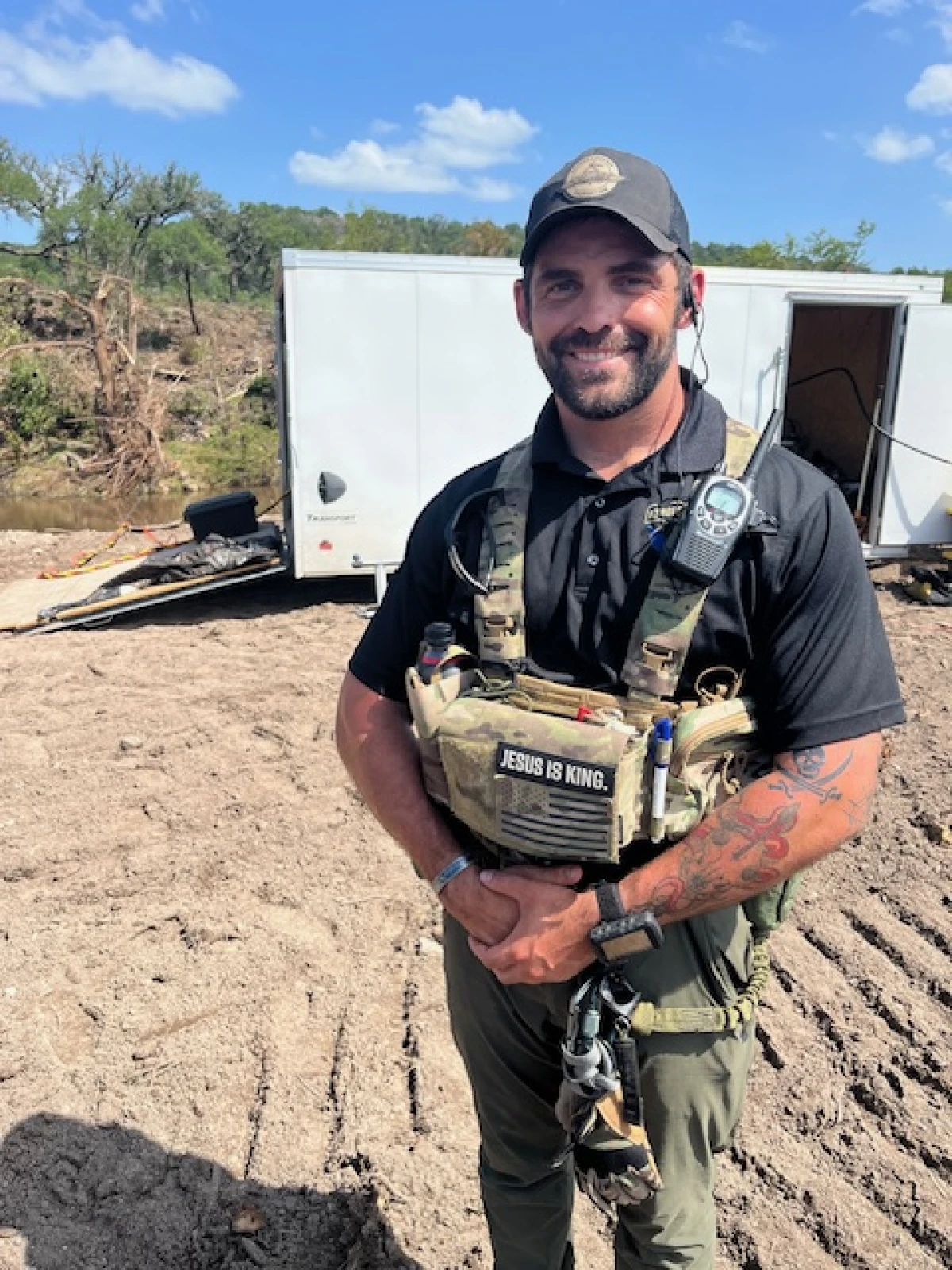
“We’re going to be here until the need is gone,” says Harris. “That’s what we’re here for, to serve. That’s what Jesus told us to do, to love your neighbor.”
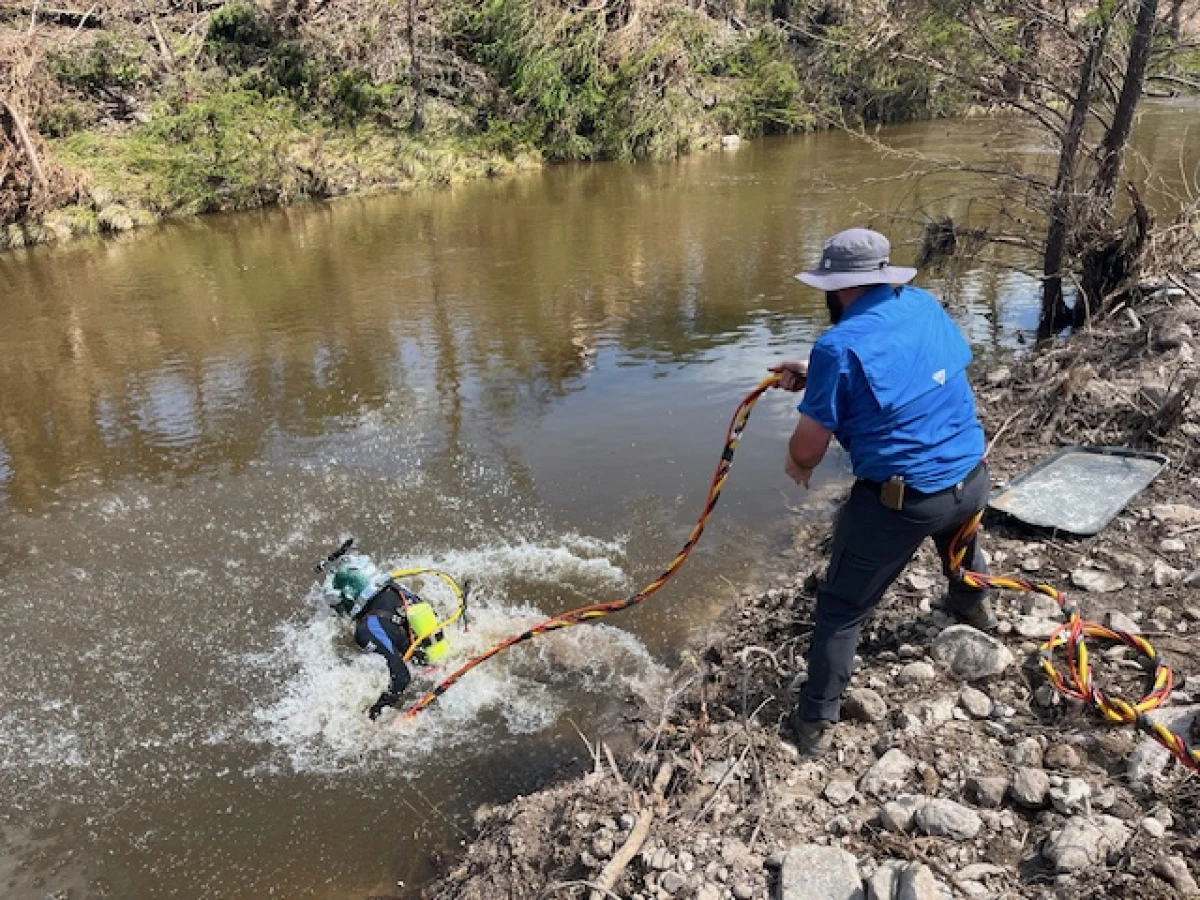
Volunteers are even offering specialized services, such as “hard hat” divers, who are helping to search for human remains in the river. One group of divers, who usually work on oil rigs, is now probing the river for human remains. John Taylor is with the non-profit that organized the effort, “Heroes 4 Humanity.”
“We are here on behalf of the Lord to provide search, rescue and recovery,” Taylor says.
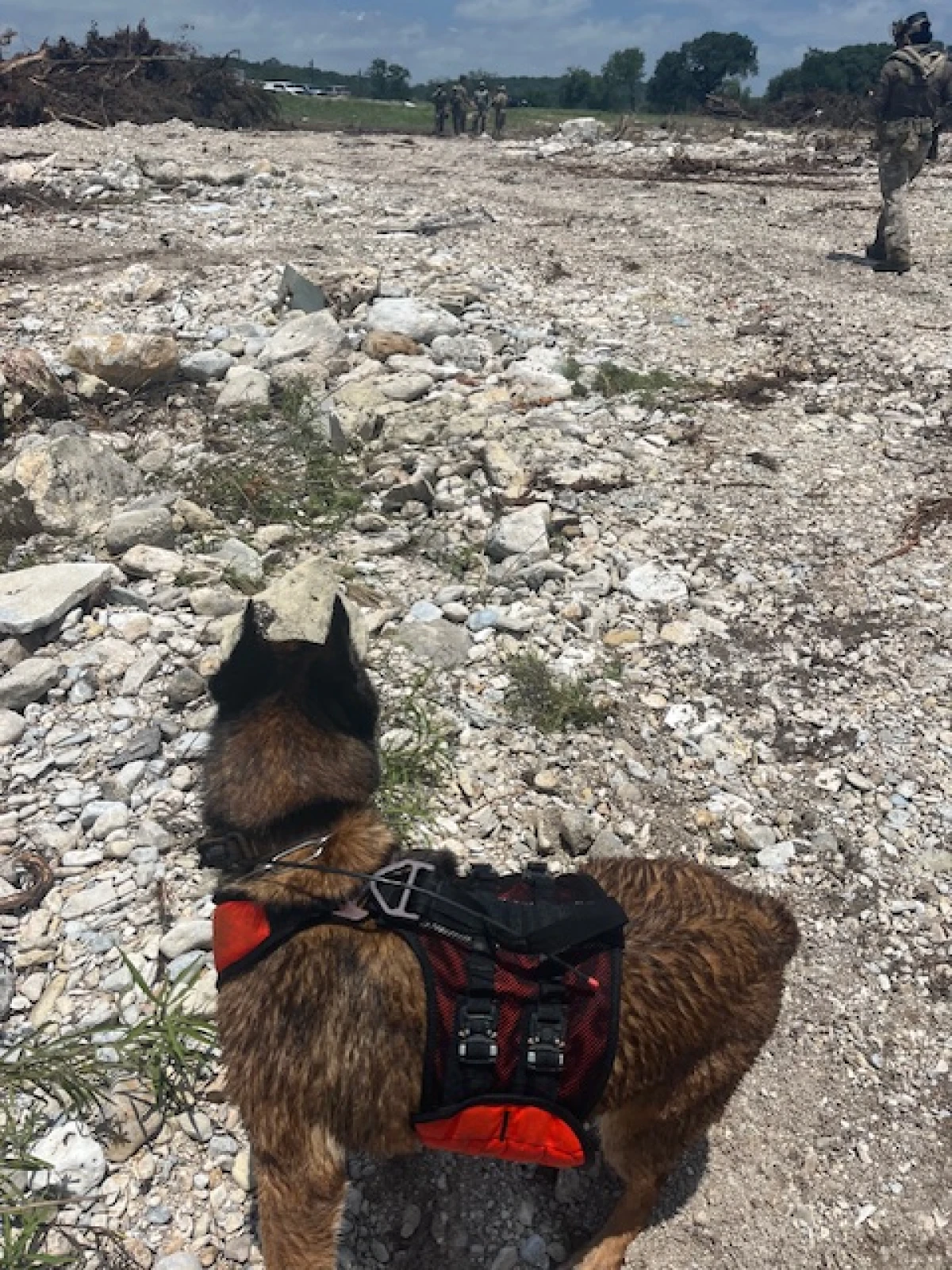
The divers check sections of the river where cadaver dogs, handled by Border Patrol and State Patrol agents, have indicated the possibility of remains. Taylor says when they find remains, they’re careful not to disturb them. Instead, they notify the emergency operations center.
“At the end of the day, it is not us that are doing the final recovery and getting everybody home,” Taylor says. “It is the local authorities that are making the final call on the recovery.”
Transcript:
JUANA SUMMERS, HOST:
Recovery efforts are well underway in the Texas Hill Country almost two weeks after flash floods devastated that area. The work comes at a time of transition for the Federal Emergency Management Agency, which has lost staff under the Trump administration. President Trump has talked about eliminating FEMA, though it isn’t clear that that’s still his plan. NPR’s Martin Kaste reports that FEMA is on the scene, but it is not nearly as visible in Texas as the state and private relief groups.
(SOUNDBITE OF HELICOPTER BLADES WHIRRING)
MARTIN KASTE, BYLINE: This is the worst-hit section of the Guadalupe River, where the highway is still officially closed and parts of the roadway are still swamped. At this particular bend in the river near Crider’s Rodeo & Dancehall, earthmovers are pushing together great stacks of downed trees. Dodging the heavy equipment, officers from Border Patrol and state troopers are running a cadaver dog up and down the waterline. They’re still looking for missing victims. The dog keeps alerting to one spot, and the next step is to bring in a diver.
(SOUNDBITE OF WATER SPLASH)
KASTE: The diver is connected by an air hose to this trailer, where a support crew monitor his video feed.
(SOUNDBITE OF DIVER BREATHING)
UNIDENTIFIED DIVER: (Inaudible).
KASTE: The flood-churned water is so murky, the diver has to feel his way.
JOHN TAYLOR: So he is down there, like, on his hands, moving through the water too in case something is partially submerged.
KASTE: That’s John Taylor. And here’s what’s surprising. This group he’s with – this diving operation – it isn’t paid for by the Feds or even the state. These are volunteers.
TAYLOR: I am a crisis response operator with Heroes for Humanity, a nonprofit Christian organization. We are here on behalf of the Lord to provide search, rescue and recovery.
KASTE: Once you start looking, you see these volunteer groups everywhere in the flood zone – searchers on horseback, church groups mucking out flooded houses and massive specialized trailers with mobile kitchens from out-of-town churches. And the local churches in the town of Hunt, which lost its general store, have become overflowing depots of food, cleaning supplies and dry clothes.
SHEREE HARRIS: Yeah, we could open our own thrift shop if we wanted to right now. It’s come and get what you need.
KASTE: Sheree Harris is the wife of the pastor here at Hunt United Methodist. She’s also a retired pastor. She says donations have poured in so fast, they now have plenty of everything except Gatorade-style drinks, which just keep running out as cleanup crews labor in the Texas heat. The church is also hosting other groups such as the Red Cross, which is offering counseling and financial assistance to flood victims.
HARRIS: We’re going to need help for a long time. This is not, you know, over in two weeks or three weeks. It’s not going to be over for a while.
KASTE: And it’s the long haul where FEMA really comes in. It certainly wasn’t the first to help with recovery. Bonnie Spillers, whose house upstream from Camp Mystic was swamped, says the first people to show up to tear out the water damage and box up her belongings was a Christian charity.
BONNIE SPILLERS: Samaritan’s Purse and then church friends and then family. I mean, there were 20 people working on the property for at least three days, four days.
KASTE: But going forward, she’s looking to the federal government. On Wednesday afternoon, Spillers and her husband, both in their 80s, were on their porch, waiting for a FEMA representative who’d made an appointment to come out and assess the damage. And Spillers says the visit went well.
SPILLERS: I think she took adequate time, which we had told they might be there 15 minutes, but maybe she was there an hour.
KASTE: The Spillers are hoping for a grant for the repairs. How much they’ll get, they don’t know yet. But in nearby Kerrville, Patsy Bell is already a satisfied customer. She’s come out of the service center that FEMA set up in a church gymnasium. She’s been living in her moldy, water-damaged home, but FEMA now says that it may give her rent money for a temporary place and it’ll help her with her house.
PATSY BELL: They’re sending money to my bank, and that will go towards the repairs and all that stuff. They have been a real help to me and my family.
KASTE: That will be the real test for FEMA as the Trump administration shrinks it or restructures it or even dismantles it. As the town of Hunt and the Guadalupe River face years of recovery and reconstruction, how long will this kind of aid keep flowing?
Martin Kaste, NPR News, Hunt, Texas.
