


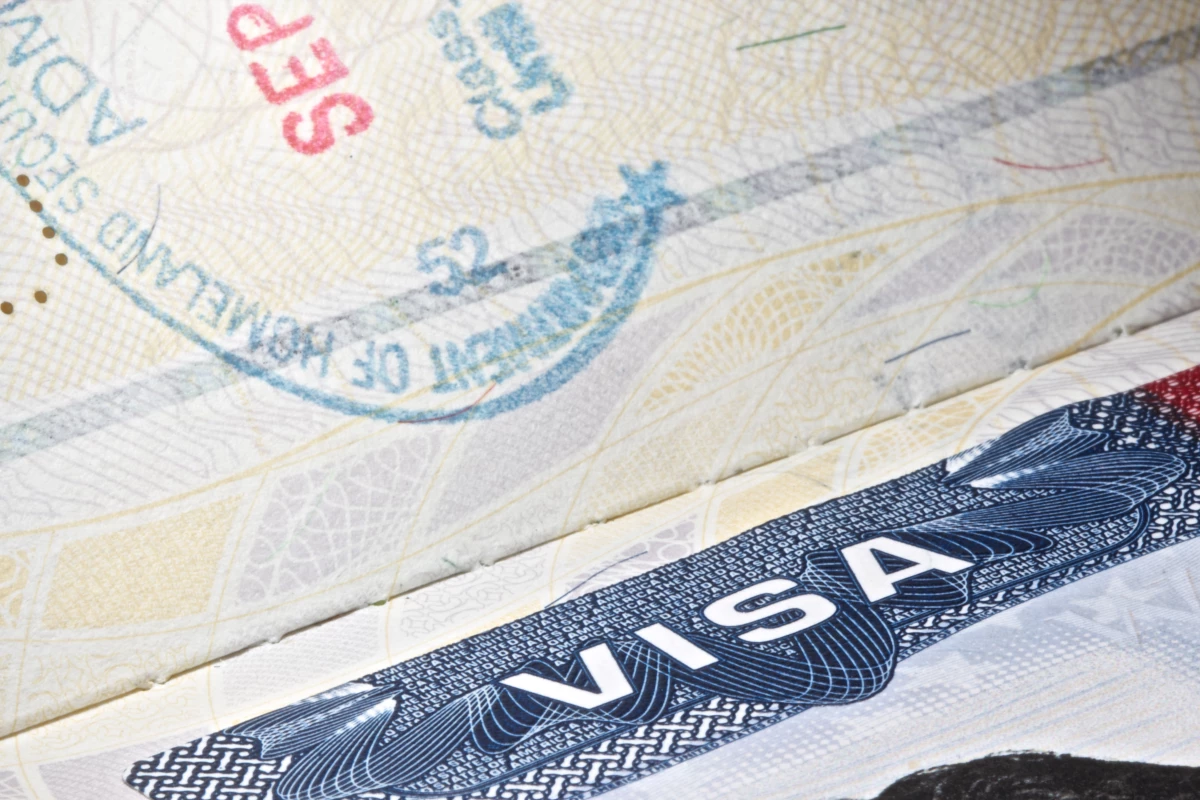
More than 1,500 international students across the country have been living in fear after their student visas were suddenly cancelled in recent weeks, even if they had done nothing wrong.
“The SEVIS terminations in recent weeks have created a sense of deep, deep unsettlement, deep fear across many international students, regardless of whether they’ve been personally affected,” said Laura Mukherjee, the director of the Immigrants’ Rights Clinic at Columbia Law School, in an interview with Morning Edition.
After weeks of confusion and legal battles, the Department of Justice said on April 25 it has restored, or plans to restore, the records of hundreds of students in the Student and Exchange Visitor Information System, or SEVIS. Without those records, students couldn’t stay in the U.S., even if they were about to graduate or still in good standing with their schools
Judges in more than 50 cases had issued orders for the government to bring back those records in SEVIS. While this move gives students a temporary relief, the Trump administration says it plans to introduce a new policy for international student visa holders.
Mukherjee, who has been speaking directly with some of the affected students, warns the stakes are high.
“Right now, the United States attracts the best and brightest, most talented minds from around the world, and our country will lose out if there is deep uncertainty about whether international students can finish their programs here,” she said.
NPR’s Michel Martin spoke with Mukherjee about which students are affected, how widespread it is and what it means for international students in the U.S.
This interview has been lightly edited for length and clarity.
Michel Martin: Have you seen a pattern in who has been affected by this SEVIS database issue? Because it’s been reported in some higher ed outlets that students who’ve been getting these notifications seem to come mainly from the Middle East, majority Muslim countries, and often have very minor infractions, like a traffic ticket. Is that what you’re seeing?
Laura Mukherjee: Yes, what I’m seeing is that a large proportion of the students who are affected are from countries in the Middle East, from Asia and increasingly from Africa. What we’ve seen is that students who are affected have very minor criminal histories or nothing at all. And when I say very minor, I’m referring to things like traffic violations, parking violations, or students who literally have no idea what they have done wrong, they’ve never even received a summons.
Martin: So you’re saying some of these are what we would call low-level offenses, but you’ve also seen students who, in your view, have no criminal involvement at all?
Mukherjee: That’s right.
Martin: We’ve been hearing a lot from elite schools like Columbia and Harvard and efforts to kind of evaluate the student populations there? Is it mainly these kinds of highly visible schools.
Mukherjee: Not at all. More than 280 colleges and universities have been affected by these SEVIS terminations. And the SEVIS terminations have taken place in at least 23 states. So it’s large, high-profile institutions as well as much smaller public institutions that are being affected.
Martin: I can imagine this is very upsetting.
Mukherjee: It is terrifying for international students across the country. Many have told me that they’re losing sleep over this. They’re missing classes. They’re terrified to leave their apartments because they’re worried they’ll be arrested. At least five students have even left the country voluntarily after finding out that their termination has taken place.
Martin: Even students who haven’t had any interaction with the law, are they feeling also concerned?
Mukherjee: Yes, absolutely.
Martin: Let’s say, just for the sake of argument, that a student had a low-level offense, like a bar fight or a serious traffic incident. Some people might say, if you’re going to study here, you should keep a clean record. What would you say to that?
Mukherjee: I would say that the U.S. Constitution and our laws apply to all people on U.S. soil. The federal government, the executive branch, must not simply terminate people’s status without any due process of law, in violation of the law, the regulations and basic due process.
Transcript:
MICHEL MARTIN, HOST:
The Department of Homeland Security is restoring the records of international students in an important immigration database – the Student and Exchange Visitor Information System, or SEVIS. Without an entry in the database, international students can’t easily adjust or extend their legal status, meaning many would likely have been forced to leave the country, even if they were still in good standing at their school, about to graduate, or had reasonable grounds to argue for staying.
Over the past few weeks, it seems that students with misdemeanors or dismissed charges were the ones notified that they were affected. In some cases, they were told they’d be deported. Judges in more than 50 cases had issued orders for the government to bring back those records in SEVIS. On Friday, the DOJ announced in a federal court it had or will restore those records. Those students now seem to have a reprieve, but the administration says it will come up with a new policy for student visa holders.
Elora Mukherjee is a professor and director of the Immigrants’ Rights Clinic at Columbia Law School. She’s been talking with some of those students, and she’s going to talk with us now. Good morning, professor. Thanks for joining us.
ELORA MUKHERJEE: Good morning, Michel.
MARTIN: So let me run some of this reporting by you. Have you seen a pattern who’s been affected by this database issue? ‘Cause it’s been reported in some outlets that focus on higher ed that the students who’ve been getting these notifications seem to come mainly from the Middle East, from majority Muslim countries, and with some kind of infraction like, say, a traffic ticket. Is that what you’re seeing?
MUKHERJEE: Yes. What I’m seeing is that a large proportion of the students who are affected are from countries in the Middle East, from Asia and, increasingly, from Africa. And what we’ve seen is that students who are affected have very minor criminal histories or nothing at all. And when I say very minor, I’m referring to things like traffic violations, parking violations, or students who literally have no idea what they have done wrong. They’ve never even received a summons.
MARTIN: So you’re saying some of these are what we would call low-level offenses, but you have seen students that have – in your view or at least in your understanding – have no criminal involvement at all?
MUKHERJEE: That’s right.
MARTIN: And is this mainly – we’ve been hearing a lot from, like, elite schools like Columbia and Harvard and efforts to kind of evaluate the student populations there. Is it mainly these kinds of highly visible schools, or are there others, from what you understand?
MUKHERJEE: Not at all. More than 280 colleges and universities have been affected by these SEVIS terminations, and the SEVIS terminations have taken place in at least 23 states. So it’s large, high-profile institutions as well as much smaller public institutions that are being affected by SEVIS terminations.
MARTIN: I can imagine that this is very upsetting.
MUKHERJEE: It is terrifying for international students across the country. Many have told me that they’re losing sleep over this. They’re missing classes. They’re terrified to leave their apartments because they’re worried they’ll be arrested. At least five students have even left the country voluntarily after finding out that their termination has been taken place.
MARTIN: Let’s just say for the sake of argument – OK, I don’t know this to be true – but let’s say for the sake of argument that you have a student with a low-level, say, criminal offense. Maybe they got into a bar fight or something of that sort, or a serious traffic accident. They’ve – maybe they’ve been notified. But what about students who have not had an experience like that? Are they also concerned?
MUKHERJEE: Yes, absolutely. The SEVIS terminations in the recent weeks have created a sense of deep unsettlement, deep fear across many international students, regardless of whether they’ve been personally affected by these terminations. Now many are wondering, even if they’ve done nothing wrong, whether they’ll be able to complete their degree programs in the United States and stay here without the risk of being deported.
MARTIN: So let’s say that – for the sake of argument, again, that some – at least some of these students have had had some sort of involvement, interaction, perhaps a low-level criminal offense, OK? What would you say to those who say, well, if that’s the case, then, you know, these visa or enrollment spots should go to other people? If you’re going to study here, then you should keep a clean record and avoid these kinds of experiences. What would you say to that?
MUKHERJEE: I would say that the U.S. Constitution and our laws apply to all people on U.S. soil. The federal government, the executive branch, must not simply terminate people’s status without any due process of law in violation of the law, the regulations and basic due process.
MARTIN: And before we let you go, as briefly as you can, do you think that the country risks something if international students leave or just stop coming?
MUKHERJEE: Yes. Right now the United States attracts the best and brightest, most talented minds from around the world. And our country will lose out if there is deep uncertainty about whether international students can finish their programs in our country.
MARTIN: That’s professor Elora Mukherjee. She directs the Immigrants’ Rights Clinic at Columbia Law School. Professor, thanks so much for sharing these insights.
MUKHERJEE: Thank you for having me.
