


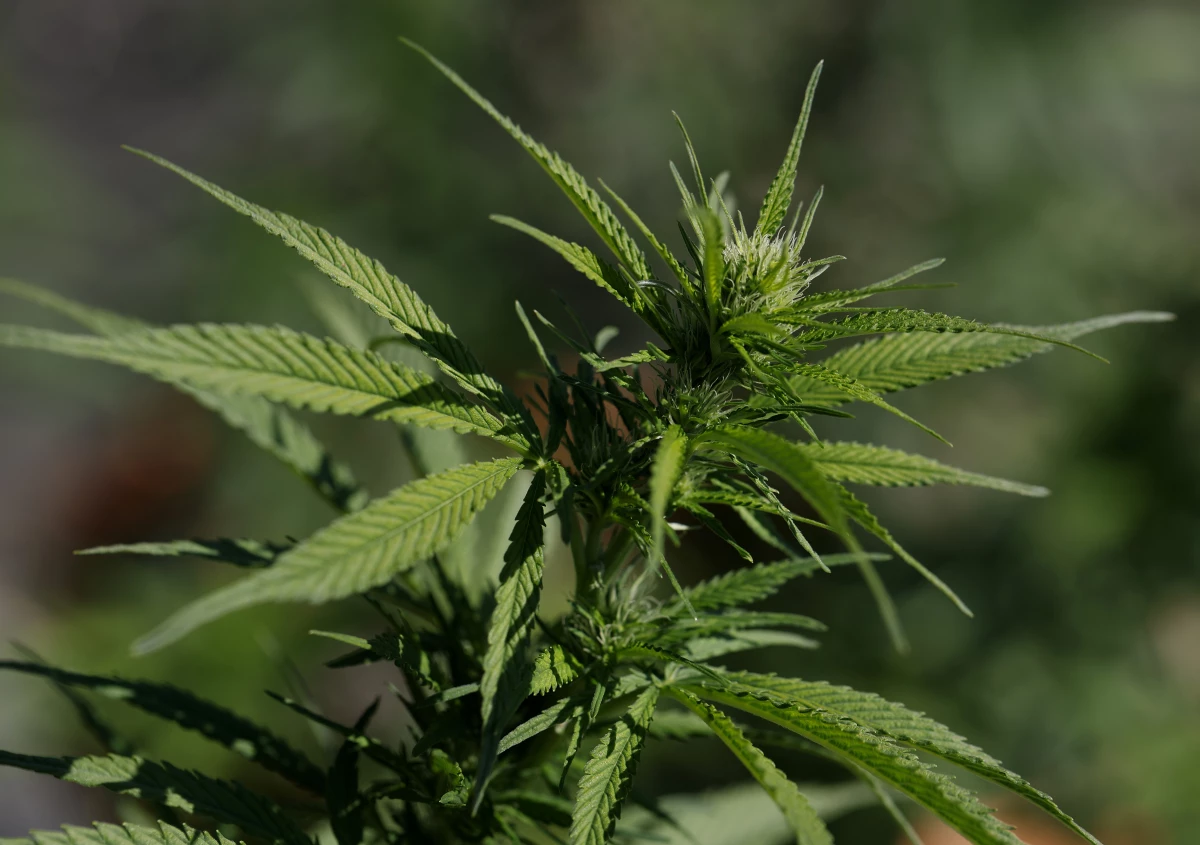
The Trump administration is easing rules on medical marijuana, moving it out of the restrictive Schedule I and into Schedule III — a category shared by drugs such as Tylenol with codeine and anabolic steroids.
Acting Attorney General Todd Blanche announced the move on Thursday, saying it “allows for research on the safety and efficacy of this substance, ultimately providing patients with better care and doctors with more reliable information.”
Rescheduling marijuana has been discussed in Washington for years. Here’s a guide to what’s changing now:
What does Thursday’s announcement do?
For decades, marijuana has been grouped in the same Schedule I classification of drugs as heroin and LSD and kept under the tightest federal controls. Drugs in the category are seen as not having any accepted medical use and being highly prone to abuse.
But many states have legalized marijuana — both medical (40) and recreational (24). And the Justice Department said Thursday that Blanche’s action “recognizes the longstanding regulation of medical marijuana by state governments and the need for a common-sense approach to this reality.”
The rescheduling does not immediately affect recreational marijuana. The new policy applies to only two types of marijuana products: ones that are FDA-approved and ones that are regulated under a state medical marijuana license.
In late June, the Drug Enforcement Agency will hold hearings looking at the broader rescheduling of marijuana, not just medical programs, the Justice Department also announced.
The administration says it wants to strengthen medical research but also maintain strict federal controls. And the shift to Schedule III does mean that medical marijuana researchers would no longer have to go through the onerous process of obtaining a Schedule I license to do that work. That process has long been seen as intensely rigorous, including tight laboratory regulations to acquire and study marijuana.
Anti-legalization group Smart Approaches to Marijuana, or SAM, condemned the changes.
“Today’s marijuana is more dangerous than previously thought, not less dangerous. And until data shows otherwise, it meets current criteria for Schedule I,” the group’s president, Kevin Sabet, said in a statement. “It’s a drug that should be carefully researched, of course, but not legalized through the backdoor.”
What does this mean for marijuana businesses?
Cannabis firms registered in state medical marijuana programs stand to get a huge tax burden lifted.
“I’m paying a full tax bill on my gross margin, which no other company does except for people in our industry,” said Sam Brill, CEO of Ascend Wellness Holdings, before the shift was announced. His company operates dispensaries in several states.
And in the past, most financial institutions have refused to provide basic banking services even to state-authorized marijuana businesses, because of potential liability. Companies like Brill’s largely operate entirely in cash.
After the new plan was announced, Brill said in a statement to NPR, “While rescheduling is not legalization, and it does not resolve all structural challenges in the industry, it is an important step toward a more transparent and accountable market that supports compliant operators.”
Sabet from SAM said the marijuana industry is “the new Big Tobacco” and that “President Trump is welcoming them into the homes of families across this country with open arms.”
“There are many ways to increase our knowledge without giving a tax break to Big Weed and sending a confusing message about marijuana’s harms to the American public,” he said.
What about cannabis consumers?
For lots of consumers, the effects of rescheduling might not seem dramatic at first, unless they’re users of medical marijuana.
But somewhere along the line, other policy changes are likely to ripple outward, such as the easing of federal drug testing requirements. The new announcement doesn’t mention the possibility of that changing.
The change comes as many states have developed thriving markets for THC — the active ingredient in marijuana. In many parts of the U.S., THC drinks and gummies are already easy to purchase, even in states that haven’t legalized marijuana. Since the category was created by a hemp loophole in the 2018 Farm Bill, it has blossomed into a market worth billions of dollars.
How did we get here?
The process of rescheduling marijuana got a boost during the Biden administration. Then, President Trump issued an executive order in December of last year directing the attorney general’s office to expedite rescheduling marijuana.
Generally, recategorizing drugs happens via an act of Congress or a formal rule-making process. But Trump’s order opened the door to a shortcut that ensures U.S. compliance with international drug treaty obligations. And Blanche invoked that streamlined process to recategorize medical marijuana. But for other changes, the administration says it will take a more traditional approach.
What happens next?
The Trump administration has to balance its desire to move quickly with the need to be able to defend these moves in court, because anti-marijuana groups such as SAM have vowed to block rescheduling.
Easing rules for regulated medical marijuana first, before taking up other categories of marijuana, could help clear that legal path.
The DEA plans to hold a new hearing on the proposed rescheduling of marijuana on June 29.
Transcript:
MICHEL MARTIN, HOST:
The Trump administration is easing rules on medical marijuana, a step that’s been discussed in Washington for years. The news was just announced this morning. NPR’s Bill Chappell has been covering this story and he’s with us now. Good morning, Bill.
BILL CHAPPELL, BYLINE: Good morning.
MARTIN: So marijuana has been a Schedule I drug for decades. So first, tell us what that means. And how would today’s announcement change that?
CHAPPELL: Right. Schedule I is very strict. That puts marijuana in the same class as heroin and LSD. The idea is that these drugs don’t have an accepted medical use and they’re prone, highly prone, to be abused. But lots of states have legalized marijuana, both medical and recreational. And today, acting Attorney General Todd Blanche said he’s immediately moving medical marijuana to Schedule III. That includes things like ketamine, Tylenol with codeine and anabolic steroids. And the administration says this is going to strengthen medical research but also maintain some of those strict federal controls that have been there for years.
And we’ll note, this does not immediately change things for recreational marijuana. The new policy applies to two types of products, marijuana that’s FDA-approved or marijuana-derived products that are FDA-approved, and ones that are regulated by a state medical marijuana license program. And, you know, it could clear way for research, though, because marijuana researchers won’t have to go through as onerous a process of obtaining a Schedule I license to do the work. That process is super rigorous. And it even includes things like lots of laboratory regulations to even study marijuana.
MARTIN: So, researchers, immediate impact there. What about marijuana businesses? How might this change affect those?
CHAPPELL: It could be huge. Cannabis firms that have been registering in medical marijuana programs would get a huge tax relief. Here’s Sam Brill. I talked to him a while ago. He’s the CEO of Ascend Wellness Holdings. That’s a dispensary company that operates in several states.
SAM BRILL: I’m paying a full-taxed bill on my gross margin, which no other company does, except for people in our industry.
CHAPPELL: And that’s everything from the cost of his employees to rent, things that most businesses take for granted. And in the past, most financial institutions just haven’t – have refused to provide even basic banking services to state-authorized marijuana businesses because of potential liability. And companies like Brill’s have largely been operating in cash.
BRILL: The lack of the use of a credit card is really, I would say, one of the biggest challenges for customers. Friday, by far, is the biggest day every single week because this is a cash business.
MARTIN: And what about consumers? What do you think the impact might be there?
CHAPPELL: Well, for a lot of people, they might not notice a lot of changes very drastically at first, unless they’re medical marijuana customers. Somewhere along the line, we’re probably going to see some changes in policy ripple through. Things like federal drug testing requirements, the new announcement doesn’t mention the possibility of that changing. But I’ll note, you know, in lots of states, THC, the active ingredient in marijuana, is already very easy to purchase. Even in states that don’t have legalized marijuana programs, you can walk into grocery stores and big chain stores like Total Wine and find rows of THC drinks. It’s a category that’s been created by a loophole covering hemp back in the 2018 Farm Bill. And since then, it’s blossomed into a huge market.
MARTIN: So anyway, the government is still – the federal government is still playing catch-up to what states and consumers are doing. But this has been long-awaited, as you’ve told us. Are there other questions sort of hanging out there, as briefly as you can?
CHAPPELL: So the Trump administration has got to balance things between moving quickly and trying to make sure they can defend these moves in court.
MARTIN: That is NPR’s Bill Chappell. Bill, thank you.
CHAPPELL: Sure thing, Michel.
