


The violent earthquake in Myanmar that has killed at least 2,700 people and left millions without shelter is also turning international attention on the country’s governance.
A civil war has been in full swing since 2021, when a military junta seized power. De facto leader Aung San Suu Kyi, a recipient of the Nobel Peace Prize, was arrested and imprisoned. Her son, Kim Aris, believes she’s currently in a prison in the capital of Naypyidaw, which was impacted by the earthquake.
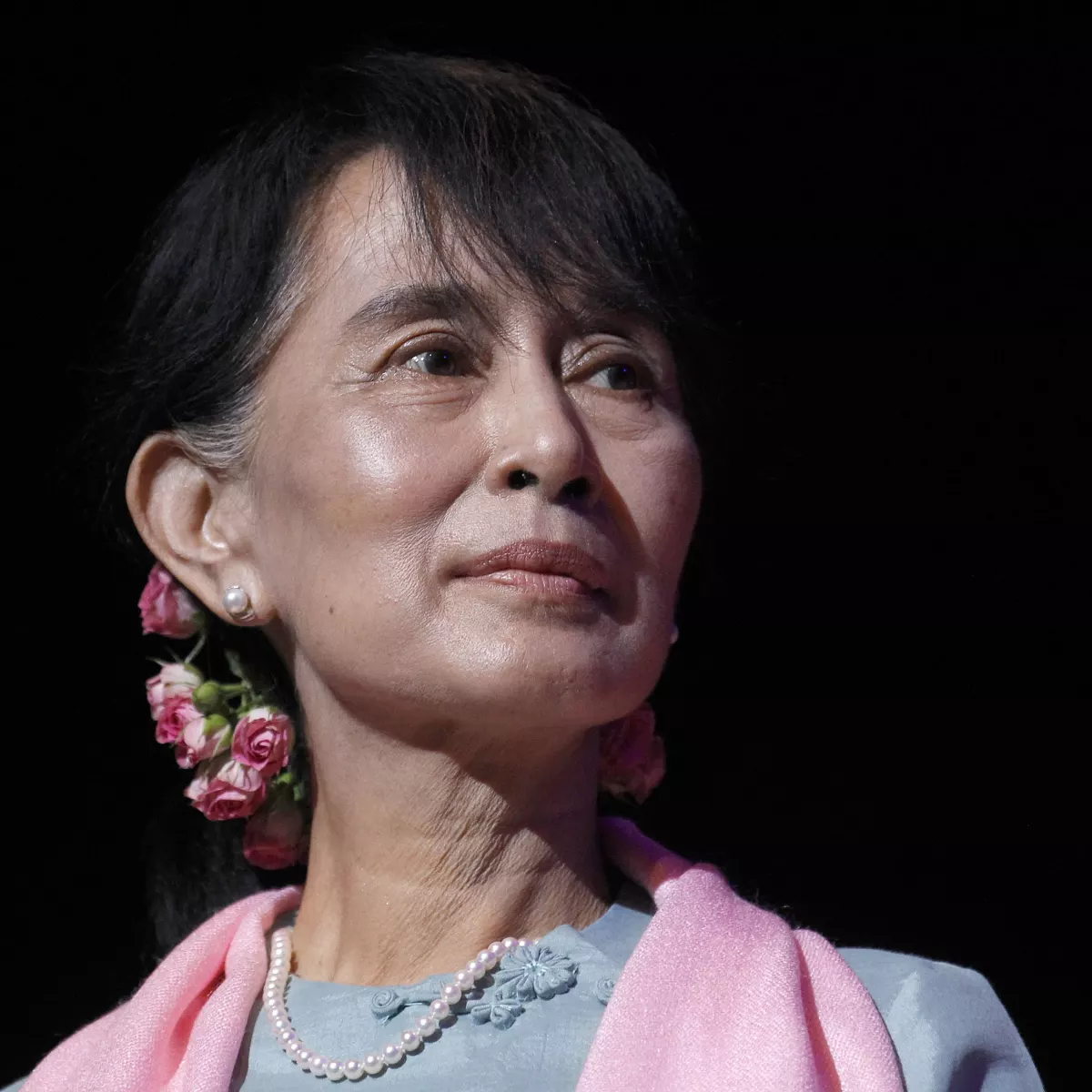
“So, we’re very concerned about her well-being obviously,” he told NPR. “It’s very hard to confirm anything. I do know she has ongoing health concerns.”
Care packages and letters he sent his mother have gone unanswered, so Aris says he has no way of knowing if she is even receiving them. The last time he spoke with her was a couple of days before the coup.
“Since then,” he said, “I’ve only had one letter from her,” which he received about two years ago.
“From what I understand, she hasn’t been allowed to see her lawyers for at least a couple of years and she’s been held in solitary confinement.”
Aris spoke with All Things Considered host Mary Louise Kelly about his mother and the situation in her country.
This interview has been lightly edited for length and clarity.
Interview highlights
Mary Louise Kelly: The sentence that she is currently serving is 33 years on corruption and other charges. I will note that human rights groups have called those charges a sham. You are calling for them to be dropped?
Kim Aris: Absolutely. I’m calling for her to be freed, along with all the other political prisoners and for the country to be returned to its democratically elected government. The military has shown that they’re incapable of ruling or leading their country in any way, and people will not accept it.

Kelly: We mentioned the earthquake — a terrible event, obviously, with so many people killed and survivors desperate, even more desperate than they were for food, for medicine, for vital supplies. The quake has made what sounds like an already difficult situation in your country far more difficult.
Aris: Yes, the military [has] used natural disasters in the past to weaponize aid, and they’re doing so again on this occasion, and they’re still bombing innocent civilians at the same time. At the moment, they’ve cut off aid organizations, getting to the most needy areas and they’re stopping journalists from getting in.
Kelly: We had [Mohamed Riyas, the Myanmar acting country director of the International Rescue Committee] on the program yesterday, who was describing that his teams are able to move, they’re getting access, but it’s incredibly difficult and there’s vast need for medical supplies. Acknowledging the horror of the situation, does it open any doors, any opportunities for change in your mother’s circumstances?
Aris: We can only hope. But at the moment, there isn’t any indication of that. And I haven’t heard of what the results are of that earthquake in the prison, really. I’ve heard that she’s safe, but there’s no way of confirming that.

Kelly: I need to ask about a part of your mother’s record. She won, as we said, the Nobel Peace Prize. She has also come under criticism for her response to the Rohingya crisis for refusing to acknowledge the military’s role in massacres –
Aris: That’s incorrect. She never refused to acknowledge the military’s role. She refused to condemn the military on the count of genocide. That’s something else. But she always said the military were responsible for –
Kelly: She defended the military at the International Court of Justice against allegations of genocide.
Aris: She was not defending the military; she was actually defending her country. That’s something very different. She was working with the military, but not in any way against the Rohingya. She was trying to do everything she could for the Rohingya even before it came to the international community’s attention. And the fact is that she was doing more for the Rohingya than anybody else in the world, which the media at the time failed to report on because it didn’t fit their narrative.
…I think, actually, she may have some regrets, but it wouldn’t be the ones you think. She will be able to hold up her head and say she was doing everything she possibly could for the Rohingya. And if you read the evidence, which is out there, I’m sure you would agree.
Kelly: In this moment, do you see a way out for Myanmar?
Aris: I do. Despite the fact that the world is turning a blind eye to what is happening over there, and is doing nothing to help, the military [is] losing. And they have the weaponry, the fighter planes, the backing of countries like China, Russia and India. And still, they’re losing. They’re not in control of even 70 percent of the country now. So I do see hope that the resistance will win, and soon.
Transcript:
MARY LOUISE KELLY, HOST:
The big earthquake last Friday in Myanmar is raising questions about whether that country’s military rulers can hang on to power. Myanmar was already in dire shape before the earthquake, with a civil war in full swing. The quake is also raising questions about the fate of Aung San Suu Kyi. She is the ousted leader of Myanmar, winner of the Nobel Peace Prize. She was arrested when the military seized power in a coup in 2021, and she has been in prison ever since. Well, her son Kim Aris is with me now in our studios here in Washington. Welcome.
KIM ARIS: Hi. How are you doing?
KELLY: I’m well, thank you. I want to ask, when was the last time you saw or spoke with your mother?
ARIS: I spoke to her a couple of days before the coup. Since then, I’ve had only one letter from her.
KELLY: When was that?
ARIS: Almost two years ago, now, I think, or just over two years ago.
KELLY: Are you able to get messages to her in any way?
ARIS: I send her…
KELLY: Is her lawyer in contact?
ARIS: I send her letters and care packages, but since I receive no reply, there’s no way of knowing whether or not they get through. From what I understand, she hasn’t been allowed to see her lawyers for at least a couple of years, and she’s been held in solitary confinement.
KELLY: Where? Where is she?
ARIS: Well, we believe in Naypyidaw Prison – it’s very hard to confirm anything – near where the earthquake hit. So we’re very concerned about her well-being, obviously. But it’s very hard to confirm anything. I do know that she has ongoing health concerns.
KELLY: She’s 79?
ARIS: That’s right. She’ll be 80 this year. And she’s spent pretty much quarter of her life incarcerated in one way or another.
KELLY: The sentence that she is currently serving is 33 years on corruption and other charges. I will note that human rights groups have called those charges a sham. You are calling for them to be dropped?
ARIS: Absolutely. I’m calling for her to be freed, along with all the other political prisoners, and for the country to be returned to its democratically elected government. The military have shown that they’re incapable of ruling or leading their country in any way, and people will not accept it.
KELLY: We mentioned the earthquake, a terrible event, obviously, with so many people killed and survivors desperate – even more desperate than they were – for food, for medicine, for vital supplies. The quake has made what sounds like an already difficult situation in your country far more difficult?
ARIS: Yes. The military have used natural disasters in the past to weaponize aid, and they’re doing so again on this occasion. And they’re still bombing innocent civilians at the same time. At the moment, they’ve cut off aid organizations getting to the most needy areas, and they’re stopping journalists getting in.
KELLY: We had the Myanmar country acting director for a major aid organization on the program yesterday, who was describing that his teams are able to move, they are getting access, but it’s incredibly difficult and there is vast need for medical supplies. Acknowledging the horror of the situation, does it open any doors, any opportunities, for a change in your mother’s circumstances?
ARIS: We can only hope, but at the moment, there isn’t any indication of that, and I haven’t heard of what the results are of that earthquake in the prison, really. I’ve heard that she’s safe, but I – there’s no way of confirming that.
KELLY: I need to ask about a part of your mother’s record. She won, as we said, the Nobel Peace Prize. She has also come under criticism for her response to the Rohingya crisis, for refusing to acknowledge the military’s role in massacres.
ARIS: That’s incorrect. She never refused to acknowledge the military’s role. She refused to condemn the military on the count of genocide. That’s something else. But she always said the military were responsible for…
KELLY: She defended the military at the International Court of Justice…
ARIS: No, she wasn’t defending…
KELLY: …Against allegations of genocide.
ARIS: …The military. She was actually defending her country. That’s something very different. She was working with the military, but not in any way against the Rohingya. She was always trying to do everything she could for the Rohingya, even before it came to the international community’s attention. And the fact is that she was doing more for the Rohingya than anybody else in the world, which the media at the time failed to report on because it didn’t fit their narrative.
KELLY: Well, I will ask you, with no narrative or agenda, but just – part of what has prompted criticism are the basic facts that there was a horrific exodus of hundreds of thousands of Rohingya across the border to Bangladesh. The secretary general of the United Nations called what was happening in Myanmar ethnic cleansing, and your mother was the de facto leader. My question for you – did she ever express any regrets about how she handled that situation, whether she might have been able to do more?
ARIS: I don’t get to talk to my mother about political issues, really, since we only communicate over the phone, often, and we know the military will be listening in. But I think actually she may have some regrets, but it wouldn’t be the ones you think. She will be able to hold up her head and say she was doing everything she possibly could for the Rohingya. And if you read the evidence which is out there, I’m sure you would agree.
KELLY: When were you last in Myanmar?
ARIS: I think it was about eight or nine years ago, maybe.
KELLY: Is that because you are not able to return because of security reasons?
ARIS: Well, I wouldn’t be able to go back now, certainly. But in the past, I generally go to Burma to see my mother, and she’s been extremely busy, so I get to see her when I can.
KELLY: You call your country Burma.
ARIS: Yes.
KELLY: In this moment, do you see a way out for Myanmar…
ARIS: I do.
KELLY: …For how this war ends?
ARIS: Despite the fact that the world is turning a blind eye to what’s happening over there and is doing nothing to help, the military are losing. And they have the weaponry, the fighter planes, the backing of countries like China, Russia and India, and still they’re losing. They’re not in control of even 70% of the country now. So I do see hope that the resistance will win, and soon.
KELLY: Kim Aris is the son of imprisoned political leader Aung San Suu Kyi of Myanmar. Thank you.
ARIS: Thank you.
(SOUNDBITE OF MUSIC)
