The presidential race could come down to slim margins in just a handful of swing states — like Michigan and Wisconsin. For Vice President Harris, the Democratic presidential nominee, that means every vote counts, including from those Democrats critical of the party’s response to the ongoing humanitarian crisis in Gaza.
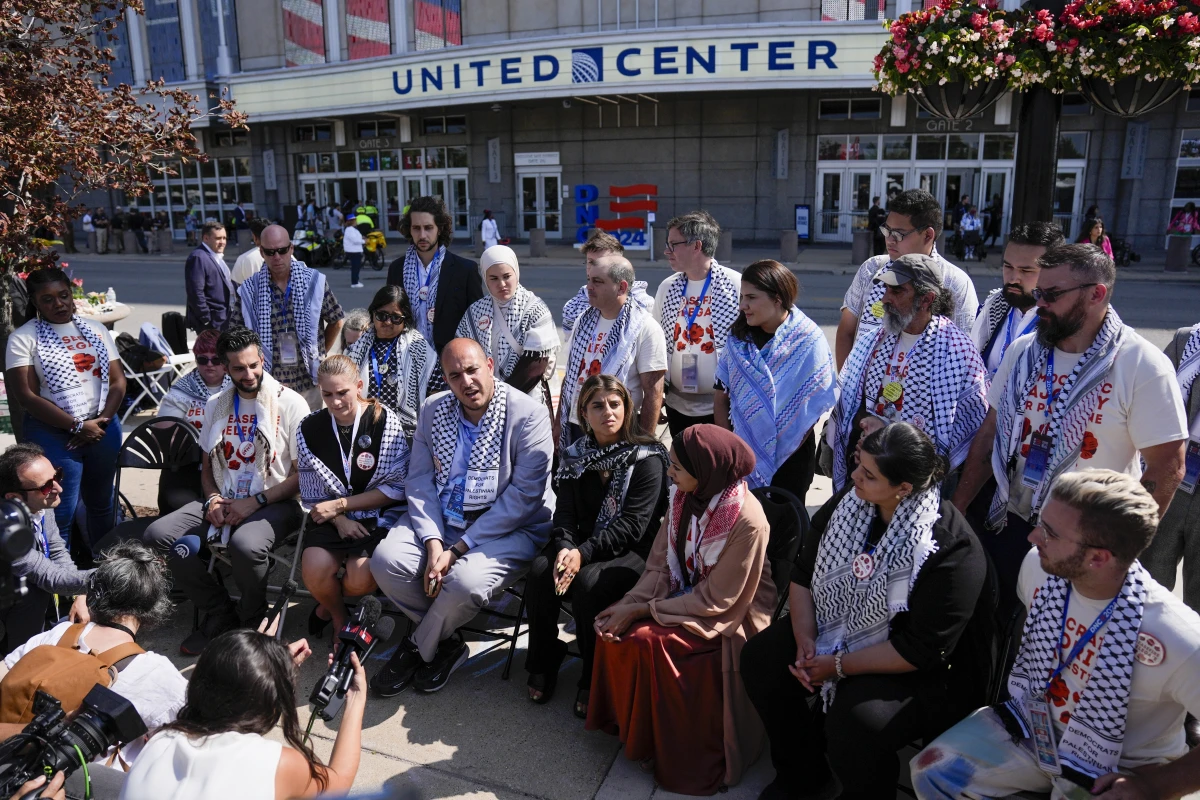
On the final evening of the Democratic National Convention this summer in Chicago, Michigan delegate Abbas Alawieh addressed a large scrum of reporters outside.
“This is a watershed moment where Americans all across the country, where Democrats all across the country, are saying, free Palestine,” Alawieh said as other delegates chanted “Free Palestine” behind him.
Some Democrats have been sharply critical of the Biden administration over U.S. policy toward Israel in its war against Hamas, which is stretching into its second year after Hamas’ deadly attack on Israel on Oct. 7, 2023.
Now those voters must decide where to cast their ballots; those decisions could eat into Harris’ voting margins.
Alawieh helped launch the “uncommitted” movement in Michigan, which prompted some Democratic primary voters to protest President Biden’s stance on Gaza by selecting “uncommitted” or “uninstructed” on their ballots.
Demands not met
Biden won Michigan’s primary in February with more than 618,000 votes — yet more than 100,000 Michigan Democratic primary voters cast ballots for “uncommitted” in the race.
In Wisconsin, organizers of that movement more than doubled their goal of 20,000 “uninstructed” votes.
Thirty-six uncommitted delegates were allocated to the convention. That’s less than 1% of the more than 3,800 delegates who were pledged to Biden and ultimately supported Harris.
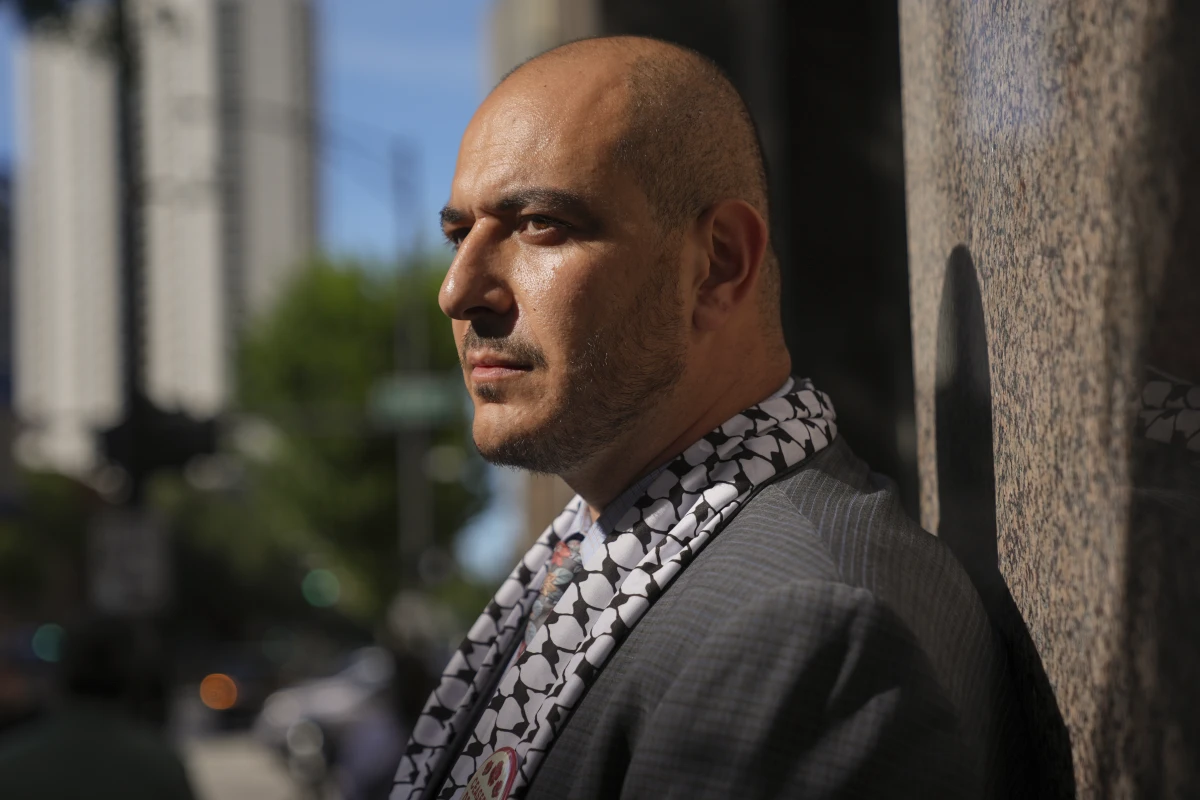
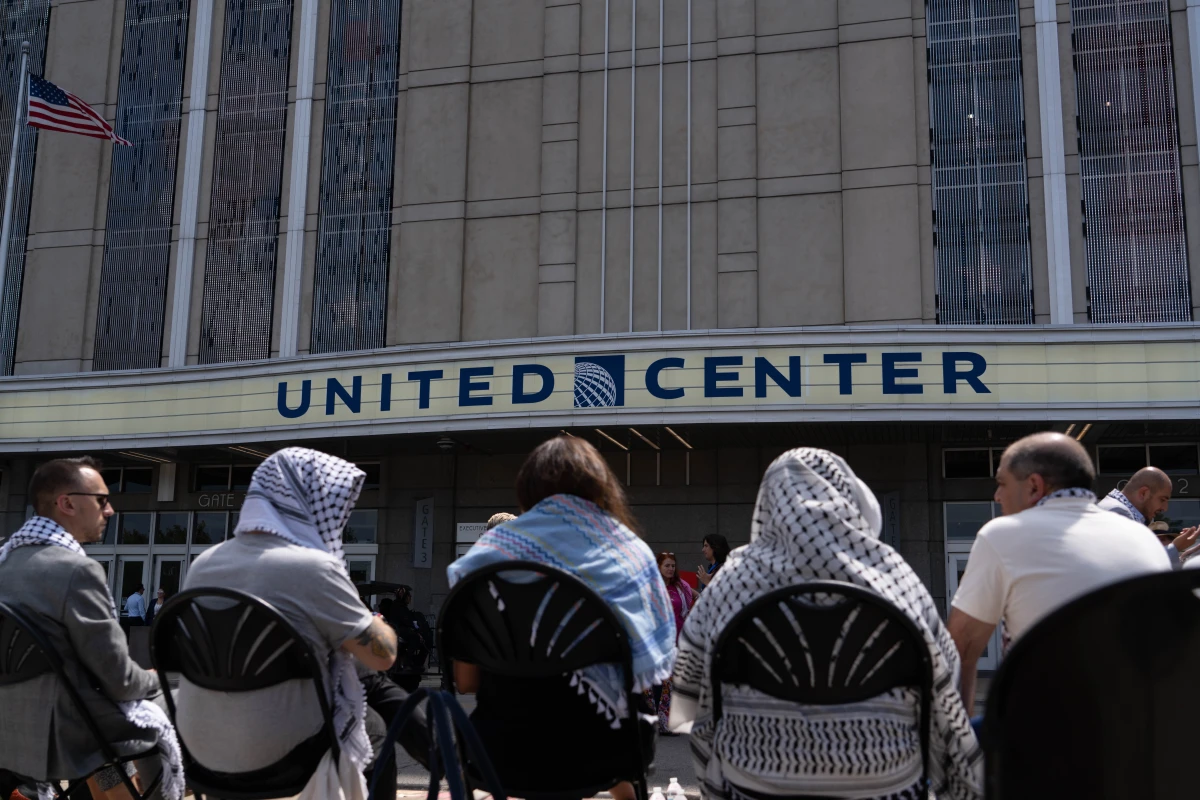
In Chicago, the delegates staged a sit-in demanding a Palestinian American address the convention. While unsuccessful in getting a speaker on stage, Alawieh, the movement’s co-founder, did not sound defeated.
“We are saying, ‘This is the Democratic Party, this is the coalition we are building for the next four years for equal rights for all,” he told reporters in August.
“I don’t feel good about it”
But now it’s October, with weeks to go before Election Day and ballots already out to voters in many states. Many within the protest movement are still not pleased.
“I’ll be voting for Kamala Harris and Tim Walz. I don’t feel good about it,” said Sam Doten. He was an uncommitted delegate from Minnesota; the state that sent the most “uncommitted” delegates to the convention.

Doten has been active in organizing for Democrats in the past but says this year he’s not volunteering for the Harris campaign — though he’s still planning to vote for other Democrats on the ballot.
“I’m talking about hitting doors, talking to all my friends, encouraging them to vote for this ticket. They’ve made it impossible for me to put in that work and take that position,” Doten said of the Harris-Walz campaign.
Other delegates say they’re still trying to make up their minds. Some say they’re voting for a third party or even leaving the top of the ballot blank.
Leaders of the national uncommitted movement are not endorsing Harris, former President Donald Trump or third-party options — leaving voters to make their own decisions.
Just this week, the group posted a video online where a co-founder said the situation could get “much worse” under Trump.
“We told you so”
Taher Herzallah is a Minnesotan Ph.D. student running for local office in Minnesota. He has family in Gaza. He and others with family in Gaza unsuccessfully tried to set up a meeting with Minnesota Gov. Tim Walz before he was selected as Harris’ running mate. Herzallah ultimately met with the governor’s staff.
Herzallah says Walz’s absence from the meeting is one of the reasons he’s not voting for the Democratic ticket.
“On Nov. 6, we’ll be able to say, ‘We told you so,’ in the event that, you know, Donald Trump or somebody else wins the presidency,” he said.
Countering the protest votes, Democrats warn of a Trump presidency
Some Democrats offer a warning for not backing their presidential candidate.
“Donald Trump was a disaster for human rights all around the world, and he would be an even worse disaster for the Palestinian people,” said former Michigan Rep. Andy Levin on a recent virtual Emgage summit last week.
That’s one of the nation’s largest Muslim American voter mobilization groups, which endorsed Harris and Walz.
Levin notes it was Trump who pushed to move the U.S. Embassy from Tel Aviv to Jerusalem — a longstanding goal of Israeli Prime Minister Benjamin Netanyahu.
Walz also joined the Emgage summit.
“The vice president is working every day to ensure that, to make sure, Israel’s secure [and] the hostages are home,” Walz said, adding, “the suffering in Gaza ends now, and the Palestinian people realize the right to dignity, freedom and self-determination.”
Matt Grossmann, a political scientist at Michigan State University, says the uncommitted movement has been successful at raising attention and mobilizing Democrats around their concerns.
“That just doesn’t necessarily translate into actual changes in U.S. foreign policy,” Grossmann said. “Especially when there’s a long-standing alliance that they’re trying to disrupt and a lot of mobilizing on the other side as well.”
Transcript:
SCOTT DETROW, HOST:
The presidential race could come down to slim margins in just a handful of swing states, which means, as we all know, every vote counts in places like Michigan and Wisconsin. One lasting issue that could hurt Vice President Kamala Harris is the criticism from some within her own party over the ongoing humanitarian crisis in Gaza. Minnesota Public Radio’s Clay Masters reports.
CLAY MASTERS, BYLINE: On the final evening of the Democratic National Convention this summer in Chicago, Michigan Delegate Abbas Alawieh addresses a large scrum of reporters outside the United Center.
(SOUNDBITE OF ARCHIVED RECORDING)
ABBAS ALAWIEH: This is a watershed moment where Americans all across the country, where Democrats all across the country are saying, free Palestine.
UNIDENTIFIED PEOPLE: Free Palestine.
ALAWIEH: Free Palestine.
MASTERS: Alawieh helped launch the Uncommitted Movement in Michigan. It led to some Democratic voters across the country protesting President Biden’s stance on Gaza by selecting uncommitted or uninstructed on their ballots. Thirty-six uncommitted delegates were allocated to the convention. That’s less than 1% of the more than 3,800 who were pledged to President Biden and ultimately supported Harris. In Chicago, they staged a sit-in, demanding a Palestinian American address the convention. While unsuccessful in getting a speaker on stage, Alawieh did not sound defeated.
(SOUNDBITE OF ARCHIVED RECORDING)
ALAWIEH: This is the Democratic Party. This is the coalition. We are building for the next four years for equal rights for all.
MASTERS: But now it’s October, and many within the protest movement are still not pleased.
SAM DOTEN: I’ll be voting for Kamala Harris and Tim Walz. I don’t feel good about it.
MASTERS: That’s Sam Doten, an uncommitted delegate from Minnesota, the state that sent the most to the convention. Doten has been active in organizing for Democrats in the past, but says, this year, he’s not volunteering for the Harris campaign.
DOTEN: I’m talking about hitting doors, you know, talking to all my friends, encouraging them to vote for this ticket, and they’ve made it impossible for me to put in that work and take that position.
MASTERS: Other delegates say they’re still trying to make up their minds. Some say they’re voting third party or even leaving the top of the ballot blank. Leaders of the National Uncommitted Movement (ph) are not endorsing Harris or former President Donald Trump or third-party options. Just this week, the group posted a video online where a co-founder said the situation could get much worse under Trump. The voters who protested in the primary election are now left to decide on their own. Taher Herzallah is a Minnesotan Ph.D. student with family in Gaza. He says he’s not voting for the Democratic ticket.
TAHER HERZALLAH: On November 6, we’ll be able to say we told you so in the event that, you know, Donald Trump or somebody else wins the presidency.
MASTERS: Herzalalah says he can’t forgive top Democrats for the Biden administration’s policies in the region. Some Democrats offer a warning for not backing their presidential candidate.
(SOUNDBITE OF ARCHIVED RECORDING)
ANDY LEVIN: Donald Trump was a disaster for human rights all around the world, and he would be an even worse disaster for the Palestinian people.
MASTERS: That’s former Michigan Congressman Andy Levin. He notes it was Trump who pushed to move the U.S. Embassy from Tel Aviv to Jerusalem, a long-standing goal of Israeli Prime Minister Benjamin Netanyahu. Levin made the comments during a virtual summit of Emgage last week, one of the nation’s largest Muslim American voter mobilization groups, which endorsed Harris and Walz. Governor Walz also joined the summit.
(SOUNDBITE OF ARCHIVED RECORDING)
TIM WALZ: We all know on here this war must end, and it must end now. The vice president’s working every day to ensure that.
MASTERS: But that message isn’t changing how some of these dissatisfied voters are feeling going into Election Day. Matt Grossmann, a political scientist at Michigan State University, says the Uncommitted Movement has been successful at raising attention about how Democrats talk about and mobilize around the Middle East.
MATT GROSSMANN: That just doesn’t necessarily translate into actual changes in U.S. foreign policy, especially when there’s a long-standing alliance that they’re trying to disrupt and a lot of people mobilizing on the other side as well.
MASTERS: Now, those Democratic voters who hope they could change their candidates foreign policy position have to commit to how they think their vote can best help reach that goal.
For NPR News, I’m Clay Masters in Saint Paul.