


Animals are changing their behaviors and bodies in response to man-made climate change.
In recent years, some birds have exhibited larger beaks that help them dispel excess body heat. Animals that migrate when the seasons change have been observed to seek higher latitudes.
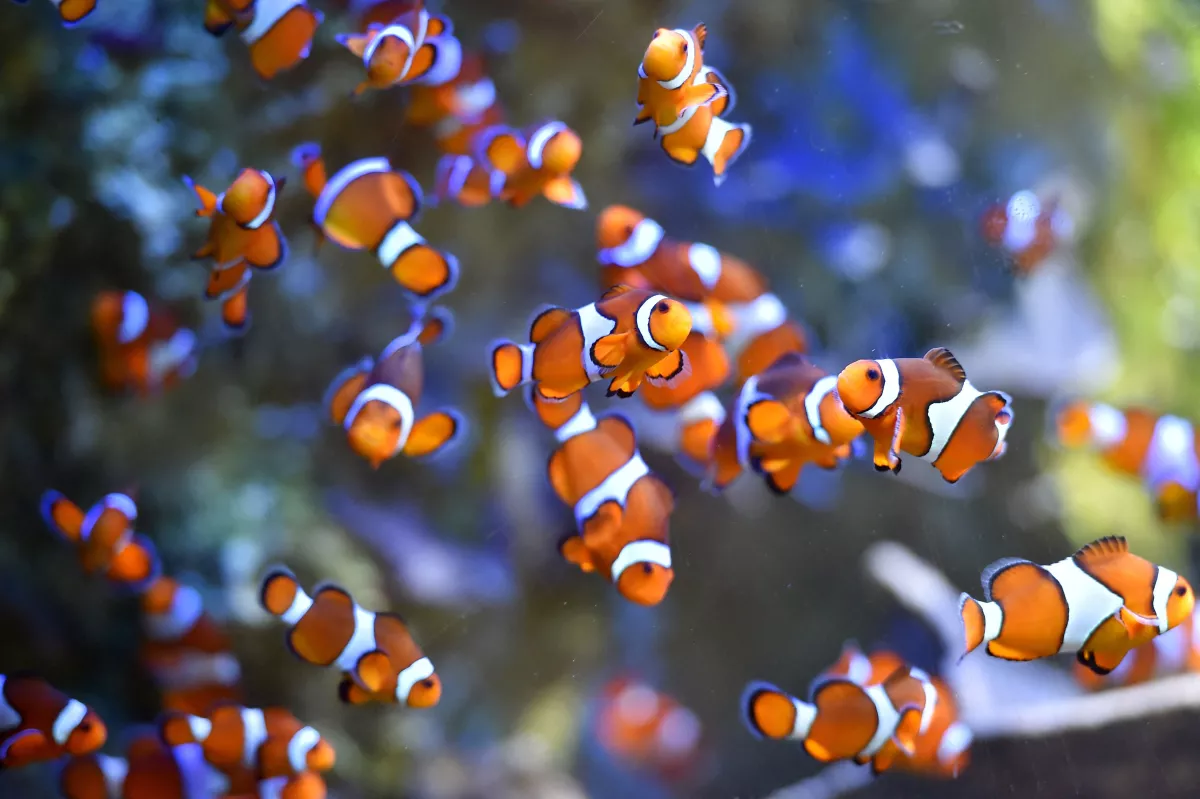
Now, scientists have found that the clownfish, the saltwater fish featured in the hit Disney film Finding Nemo, has been observed temporarily shrinking in response to heat stress.
Melissa Versteeg, a Ph.D. student in marine science at Newcastle University and co-author of a paper recently published in the journal Science Advances, told Morning Edition that she “had a bit of a panic” when she noticed the shrinking.
“It’s usually assumed that growth is relatively one way, so it’s favorable to be a bit bigger. And we’ve not really seen before that they actually have this capacity or ability to shrink,” Versteeg said.
Versteeg’s team measured 134 clownfish along reefs in Papua New Guinea every month for five months and monitored water temperatures during a marine heatwave.
They found that some clownfish, which are only 3 inches long on average, shrank as the water’s temperature increased – and that those that did shrink increased their chances of surviving the heat stress by as much as 78%.
“When they shrink, it’s about one or 2% of their body size,” Versteeg said. “And so really small length reductions of just like between one and two millimeters.”
Why the fish might be shrinking
Versteeg said it’s not yet clear how the fish are shrinking or why they were significantly more likely to survive the heat wave. But the research team speculates that the fishes literally being smaller – by shrinking their body size – means needing less food, making their metabolism more efficient.
“Something about these shrinking fish was giving them a better opportunity to survive the heat wave compared to the ones that kept growing bigger in size,” Versteeg said, adding that the fish grew again when water conditions improved.
Clownfish typically live among coral reefs, which have also been affected by warming ocean waters.
Researchers also noticed that the clownfish in breeding pairs shrank together.
“It’s a beautiful example of really cooperating and working together in that sense to try and make sure that you come out unscathed [at] the other end,” Versteeg said.
Versteeg said the discovery means that if clownfish can shrink, there’s a chance that many other coral reef fish can do this to survive as well.
This story was adapted for the web by Obed Manuel and edited by Treye Green. The radio version was edited by Ashley Westerman.
Transcript:
A MARTÍNEZ, HOST:
A few animal species have tried to adapt to man-made climate change by changing things such as their migration patterns and feeding habits. Recently, though, scientists found an animal that seems to be able to change its body to better survive. The clown fish – that’s right, that’s the fish featured in Disney’s “Finding Nemo” – is the latest animal to have been observed shrinking in response to heat stress.
MELISSA VERSTEEG: First time I started noting the shrinking, I thought, oh, (laughter) something really weird is happening.
STEVE INSKEEP, HOST:
Melissa Versteeg is a Ph.D. student, a marine scientists at Newcastle University and coauthor of a paper recently published in the journal Science Advances.
VERSTEEG: I had a bit of a panic. It’s usually assumed that growth is relatively one way, so it’s favorable to be a bit bigger. And we’ve not really seen before that they actually have this capacity or ability to shrink.
INSKEEP: She was interested in clown fish because they are coral reef fish, and coral reefs are under threat from warming oceans. Versteeg’s team studied clown fish along reefs in Papua New Guinea for five months during a heat wave, when temperatures rose around 7 degrees Fahrenheit. They found that some clown fish, which are only 3 inches long on average, shrank as the water’s temperature increased.
VERSTEEG: When they shrink, it’s about 1% or 2% of their body size. So really small length reductions of just, like, between 1 or 2 millimeters.
MARTÍNEZ: Versteeg says it’s not yet clear how the fish are shrinking or why they were significantly more likely to survive the heat wave. But the research team speculates that literally being smaller means needing less food and makes their metabolism more efficient.
VERSTEEG: Something about these shrinking fish was giving them a better opportunity to survive the heat wave compared to the ones that kept growing bigger in size.
MARTÍNEZ: Versteeg says the fish grew again when water conditions improved.
INSKEEP: Oh, and now we have a story of togetherness because researchers noticed that the clown fish in breeding pairs shrink together.
VERSTEEG: It’s a beautiful example of really cooperating and working together in that sense to try and make sure that you come out unscathed at the other end.
INSKEEP: It really is kind of sweet.
MARTÍNEZ: (Laughter).
INSKEEP: Although, the motivation is to try to outcompete other clown fish, we’re told. Still, Versteeg says the discovery means that if clown fish can shrink, there’s a chance that many other coral reef fish can do this to survive also.
MARTÍNEZ: Let’s, you and I, shrink together, Steve.
INSKEEP: No. No. But I’m happy to broadcast with you.
MARTÍNEZ: (Laughter) Aw, come on.
(SOUNDBITE OF SONG, “BEYOND THE SEA”)
BOBBY DARIN: (Singing) Somewhere beyond the sea, she’s there, watching…
