


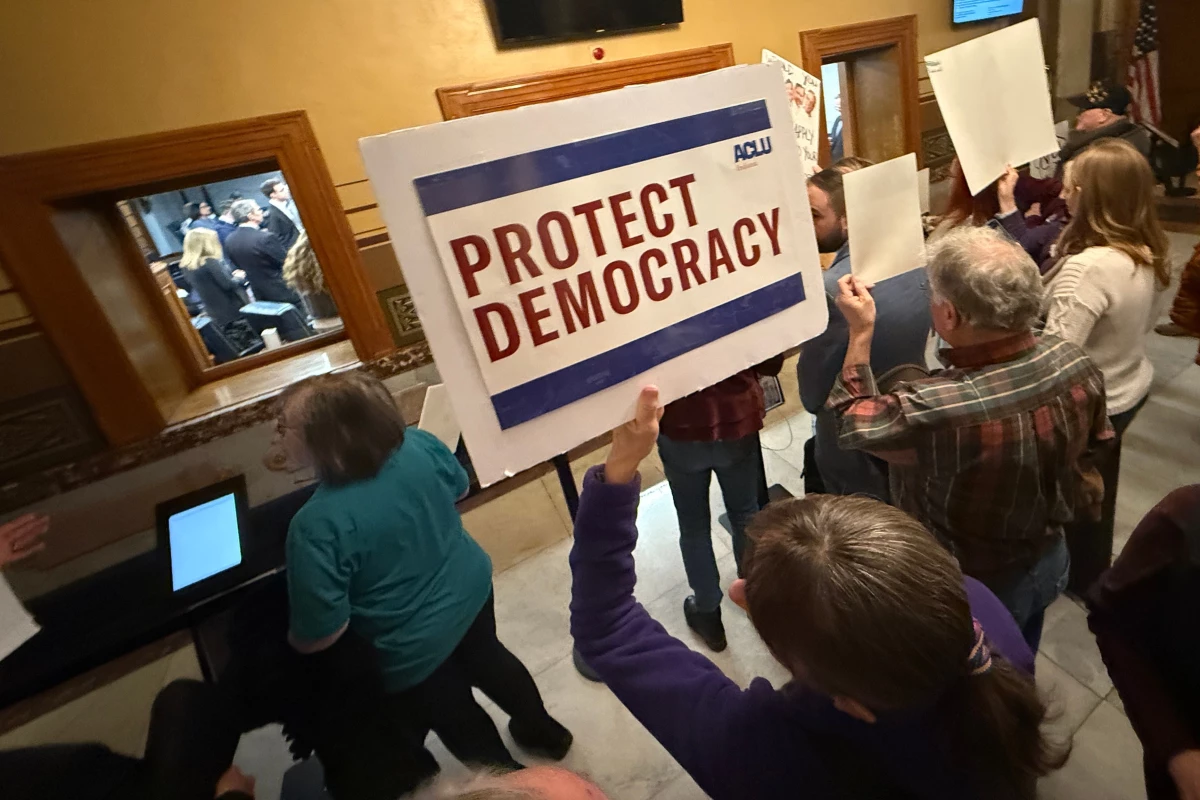
INDIANAPOLIS — Republican-led states across the country, under pressure from President Trump, have rushed to redraw Congressional lines to advantage their own party.
But the effort has hit unexpected pushback in Indiana, where the fight over redistricting has unleashed a heated public debate and become a test of Trump’s grip on his party. The outcome could also have profound consequences for Hoosier voters.
Indiana is currently represented in Congress by seven Republicans and two Democrats. The new map, which passed the Indiana House last week, could wipe out those two Democrats by carving up the districts they represent. A vote in the state Senate is expected on Thursday.
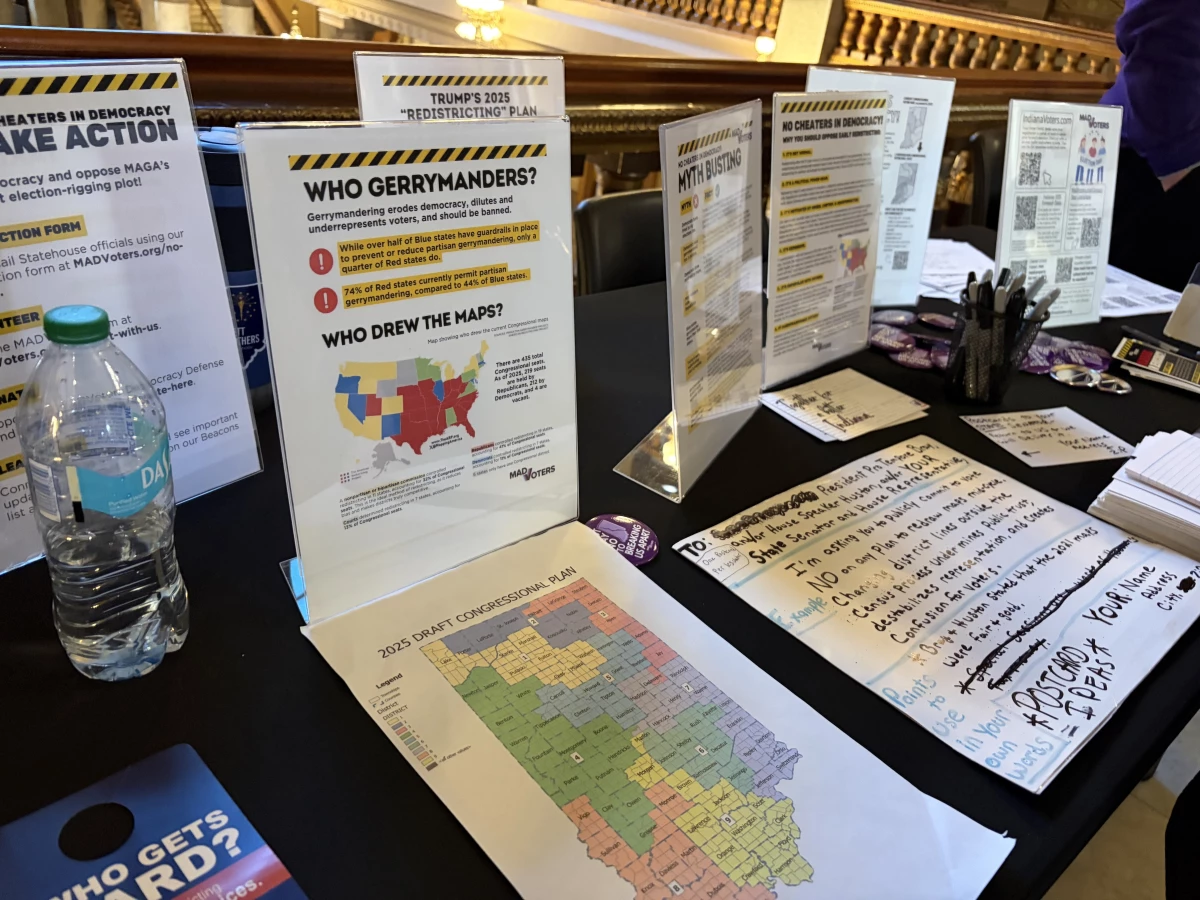
Under the plan, a Democratic-leaning district near Lake Michigan would be split in two, and the city of Indianapolis, now mostly unified, would be divided into four districts.
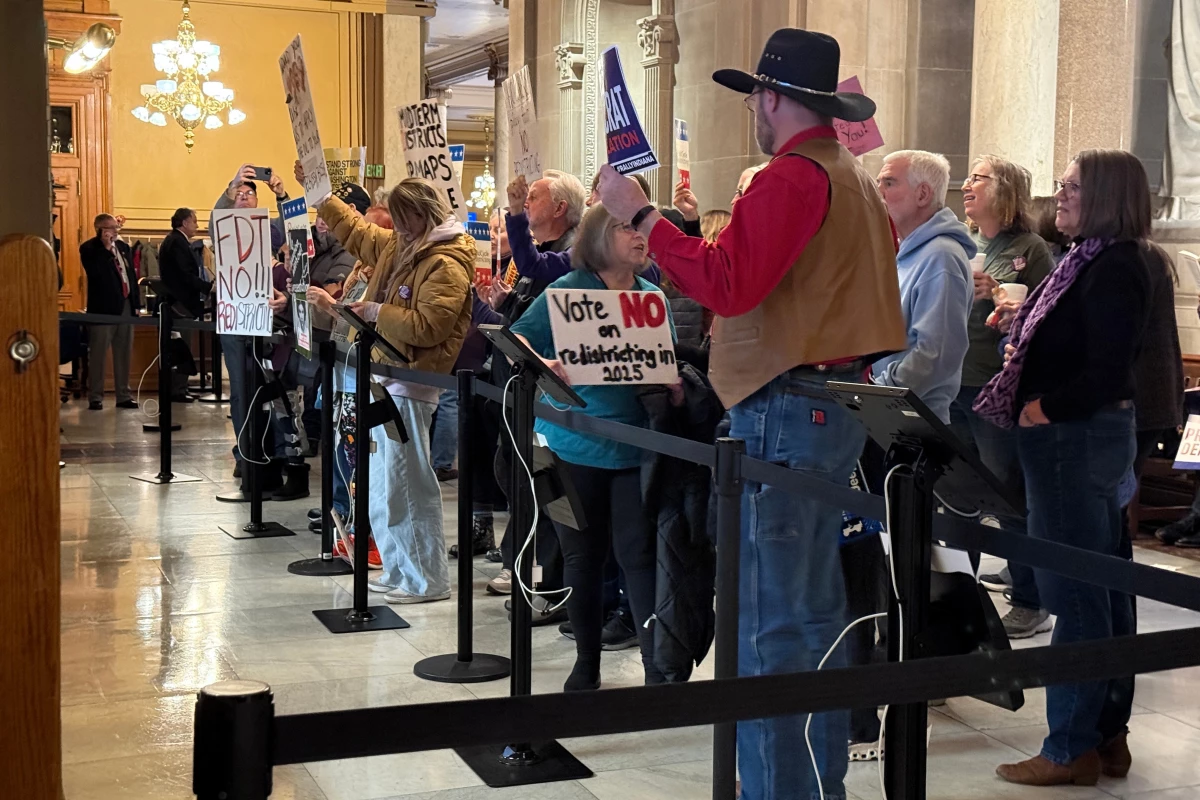
Even amid the holiday season, the charged debate over redistricting has captured the attention of voters.
At a German-themed Christmas market in Carmel, Steve Saylor was among the visitors who traveled from around the state to this purple suburb of Indianapolis to sip hot cocoa and munch on schnitzel and bratwurst around bonfires and a skating rink.
Saylor says he supports the proposed map because it would cut the influence of urban Indianapolis and help Republicans keep what is currently a majority of 220 to 213 in the U.S. House of Representatives.
“I love it,” Saylor said. “As many Republicans as we can get in, the better.”
Political maps are traditionally redrawn after a census. But Nate Byers, a market visitor who wants to see Congress keep supporting Trump’s agenda — like his crackdown on immigration — says the criticism of this wave of midcycle redistricting is overblown.
“I think we probably worry about politics too much,” Byers said. “Sure, everybody wants to have power and their voice heard, but a lot of good things are happening right now.”
Why some in Indianapolis don’t want their district divided up
But go to a neighborhood in the heart of Indianapolis and you find voters who say there is plenty of reason to worry.
At the Christmas parade in the Broad Ripple neighborhood, Lynn Levy ticked off a list of issues affecting her community.
“Affordability, resources to fight crime and work on infrastructure, we have issues with homelessness and people who can’t afford a safe place to live,” she said. “When you have your district spread out between a city all the way out to the state line, the issues are completely different.”
If the GOP redistricting plan is approved, a voter in Indianapolis could soon end up in a district stretching 150 miles to Kentucky.
“I think it will seriously affect voter turnout because people won’t think their vote matters, so why should they bother,” Levy said.
Genesis Jones saw firsthand how her representation in Congress does matter.
For months, Jones had been fighting for Social Security benefits. She says she suffered head trauma from domestic violence that caused seizures so bad she couldn’t drive. As a last resort, she called up the office of her Congressman, Democrat André Carson.
“Everybody was kind, and it didn’t feel like I was speaking to robots,” she said. “And ultimately they resolved what I had been battling for eight months in just three weeks.”
Jones says without a member of Congress invested and rooted in Indianapolis: “I believe that my case would still be sitting in somebody’s inbox.”

Republican proponents of redistricting say a good member of Congress will respond to the needs of their constituents, whether they are Democrats or Republicans, urban or rural.
From a hip co-working space in an old Stutz car factory downtown, Nicole Carey runs a new non-profit, Cradle Indy, to fight maternal and infant mortality. Indiana has among the worst rates in the country.
“Seven of the ten top zip codes in the state of Indiana that have the worst infant mortality rates, seven of them are in Marion County,” Carey said.
That’s where Indianapolis is. Those zip codes are disproportionately Black and low-income.
Carson’s office helped secure community grant funding for Cradle Indy.
“We have an extremely unique population in Indianapolis,” Carey said. “And you need someone that understands their district in an intimate way.”
Why redistricting in Indiana was seen as a sure thing
Redistricting in Indiana was supposed to be a slam dunk. Republicans control both chambers of the state legislature and the governor’s office. Trump won nearly 59% of the vote in the 2024 election.
But while the new map easily passed the Indiana House, the top Senate Republican initially declined to convene a special session, saying the votes were not there.
Some Republican lawmakers noted the push was coming from outside Indiana, and said their constituents did not support midcycle redistricting. A November poll found that 90% of Indiana Republican voters surveyed viewed Trump favorably, but only 53% approved of the redistricting.
But Trump and his allies amped up the pressure, even calling out undecided lawmakers on social media.
They threatened primary challenges and withholding funding from their districts.
Some lawmakers received threats of violence or reported their homes or businesses being swatted, when a false threat is reported in order to spark a large law enforcement response.
“The issue was causing a lot of strife, it seemed like the issue was more about whether we were coming in or not, so we just decided to come in and vet the issue and we’ll vote on it and answer the question,” Indiana Senate Pro Tempore Rodric Bray told reporters Monday.
Bray said he does not know how the Thursday vote will turn out.
University of Indianapolis Professor Laura Merrifield Wilson says Indiana is a pivotal test for Trump.
“This will be the moment we evaluate his ability to control the Republican party,” she said.
Meanwhile, some states controlled by Democrats are now also redistricting, trying to keep pace in the fight for control of a narrowly-divided Congress. The U.S. Supreme Court recently upheld a heavily gerrymandered map in Texas that could give Republicans five more House seats.
“What if enough states do this and it’s actually a wash,” she said. “The real losers are the voters in those Congressional districts.”
Will Indiana approve a new map?
Hundreds of protesters gathered this week at the limestone State Capitol in Indianapolis. Their chants echoed inside the Senate chamber during hours of public testimony.
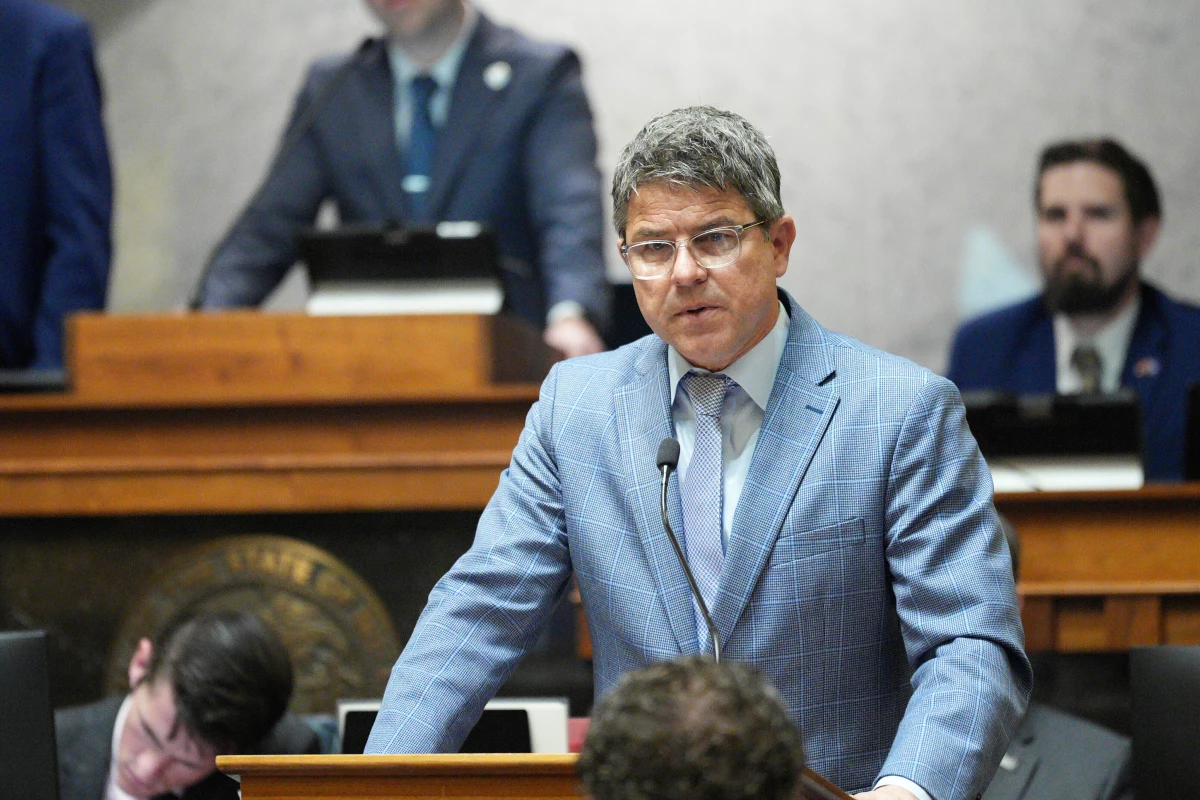
Republican State Sen. Greg Walker was targeted with threats of violence for opposing redistricting. He said advancing the proposed map would erode the principles set forth by the Constitution.
He said capitulating under pressure would have been like accepting the offer of a bribe. He told his colleagues that the stakes crystallized recently as he held a constituent’s baby.
“As I thought about the future for that child, where we accept that intimidation is normal, I shall refuse the offer, for the sake of that child and the future of the state,” he said on the Senate floor this week.
Walker has said he will not run for reelection. But this week, he told his colleagues that despite — or maybe because — of the pressure, he is now thinking about staying.
Another open question: The outcome of Thursday’s final Senate vote, with sweeping implications for Indiana and the rest of the country.
Transcript:
AILSA CHANG, HOST:
Across the country, states led by Republicans have raced to redraw congressional districts to favor Republican candidates under pressure from President Trump. That effort hit unexpected pushback in Indiana, where a NPR congressional reporter Sam Gringlas has been talking to Hoosiers.
SAM GRINGLAS, BYLINE: The Carmel Christmas market in suburban Indianapolis draws visitors from across the state to sip hot cocoa and munch on schnitzel around bonfires and a skating rink. A lot of Hoosiers are thinking about the holidays now but also redistricting. Steve Saylor is one of them. He says he hopes the Indiana Senate does overhaul the congressional map.
STEVE SAYLOR: I love it. I mean, as many Republicans that we can get in, the better.
GRINGLAS: Indiana is currently represented in Congress by seven Republicans and two Democrats. The proposed map could wipe out those two Democrats by carving up the districts they represent. Under the plan, a blue-leaning district near Lake Michigan would be split in two, and the city of Indianapolis, now mostly unified, would be divided into four.
(SOUNDBITE OF MUSIC)
GRINGLAS: Nate Byers says he wants Congress to keep supporting President Trump’s agenda. He says the criticism of mid-cycle redistricting is overblown.
NATE BYERS: I think we probably worry about politics too much. Sure, everybody wants to have power and their voice heard, but a lot of good things are happening right now.
GRINGLAS: But go to a neighborhood in the heart of Indianapolis, and you find voters who say there is plenty of reason to worry.
UNIDENTIFIED GROUP: (Singing) Ding-dong merrily on high.
GRINGLAS: At the Broad Ripple Christmas parade, I met Lynn Levy, who listed issues facing her community.
LYNN LEVY: Affordability, resources to fight crime and work on infrastructure. And when you have your district spread out between a city to the edge of the state line where it’s very rural, the issues are completely different.
GRINGLAS: A voter in Indianapolis could soon end up in a district stretching 150 miles to Kentucky.
LEVY: I think it’ll seriously affect voter turnout because people won’t think that their vote matters.
GRINGLAS: Across town, Genesis Jones saw firsthand how representation in Congress does matter. Jones squeezed in an interview before “Sunday Night Football.”
GENESIS JONES: I think the Colts are going to win today. Actually, I know they are (laughter).
GRINGLAS: For months, Jones had been fighting for Social Security benefits. She says she had head trauma from domestic violence that caused seizures so bad she couldn’t drive. A last resort, she called up the office of her congressman, Democrat Andre Carson.
JONES: Everybody was kind, and it didn’t feel like I was speaking to robots. And ultimately, they resolved what I had been battling for eight months in just a little over three weeks.
GRINGLAS: Jones says without a member of Congress invested here in Indianapolis…
JONES: I believe that my case would still be sitting on somebody’s inbox.
GRINGLAS: At a coworking space in an old Stutz car factory downtown, I met Nicole Carey. She runs a new nonprofit called Cradle Indy, focused on fighting maternal and infant mortality. Indiana has among the worst rates in the nation.
NICOLE CAREY: Seven of the 10 top ZIP codes in the state of Indiana that have the worst infant mortality rate, seven of them are in Marion County.
GRINGLAS: Where Indianapolis is.
CAREY: We have an extremely unique population here in Indianapolis, and you need someone who understands their district in an intimate way.
GRINGLAS: Redistricting in Indiana was supposed to be a slam dunk. But some Republican lawmakers noted the push was coming from D.C., not Indiana, and said their constituents did not want this. But Trump and his allies amped up the pressure, even calling out undecided lawmakers on social media. They threatened primary challenges and withholding funding from their districts. University of Indianapolis professor Laura Merrifield Wilson says Indiana is a pivotal test for Trump.
LAURA MERRIFIELD WILSON: This is the moment in which we evaluate his ability to control the Republican Party.
GRINGLAS: Meanwhile, some states controlled by Democrats are now also redistricting, trying to keep pace in the fight for control of a narrowly divided Congress.
WILSON: What if enough states do this, and it’s actually a wash? The real loser here are voters in those congressional districts.
GRINGLAS: This week, hundreds gathered at the limestone state capitol in Indianapolis. The chants of protesters echoed inside the Senate chamber during hours of public testimony.
UNIDENTIFIED PROTESTER: (Chanting) No redistricting.
UNIDENTIFIED PROTESTERS: (Chanting) No redistricting.
GRINGLAS: Republican Senator Greg Walker was targeted with threats of violence for opposing redistricting. He said capitulating under pressure would have been like accepting the offer of a bribe and that the stakes crystallized as he recently held a constituent’s baby.
(SOUNDBITE OF ARCHIVED RECORDING)
GREG WALKER: As I thought about a future for that child, where we accept that intimidation is normal. And I shall refuse the offer for the sake of that child, and the future of the state.
GRINGLAS: Walker has said he won’t run for reelection, but now, despite or maybe because of the pressure, he’s thinking about staying. Another open question, the outcome of tomorrow’s final Senate vote.
Sam Gringlas, NPR News, Indianapolis.
