


President Trump has dispensed with another White House tradition: meeting with all the nation’s governors.
The National Governors Association meets in Washington, D.C., every year with this year’s meeting scheduled for next week. The traditionally bipartisan event is an opportunity for governors to meet with the president and discuss issues affecting their constituents. It’s usually followed by a formal dinner. This year, the Trump Administration only invited Republicans to the meeting and disinvited some Democratic governors from the formal dinner scheduled to follow.
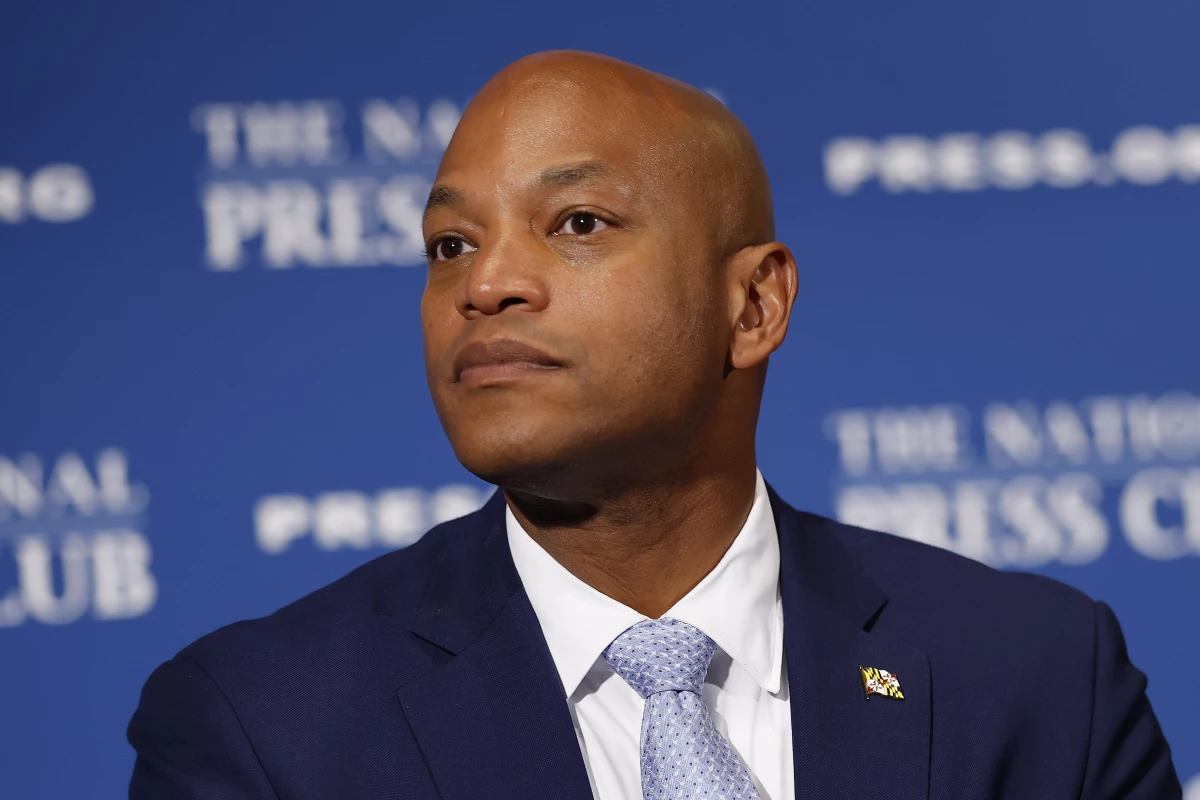
Maryland Governor Wes Moore is one of the two disinvited governors. Moore said the decision sent the same message as the president’s recent refusal to apologize for posting a racist meme of the Obamas.
“This message of disrespect — of his own personal feelings of supremacy — I think, are things that are just deeply unneeded reminders of just how unstable his leadership continues to be,” Moore said.
White House Press Secretary Karoline Leavitt addressed the exclusions at a press briefing on Tuesday.
“It’s the people’s house,” Leavitt said. “It’s also the president’s home. And so he can invite whomever he wants to dinners and events here at the White House.”
Democratic leaders who were invited to the dinner have said they will skip the dinner. The National Governors Association said it won’t “facilitate” events that don’t include all governors, including next week’s dinner.
Moore discussed the dinner and his state’s redistricting with NPR’s Michel Martin. This interview occurred before other Democratic leaders said they would skip the dinner and before Leavitt’s press briefing.
Click the play button in the blue box above to listen to the full conversation.
Transcript:
MICHEL MARTIN, HOST:
President Trump has dispensed with another White House tradition, meeting with all the nation’s governors. A meeting with the National Governors Association, followed by a formal dinner with spouses, has been a bipartisan event as long as anyone can remember, but the Trump administration invited only Republicans to the meeting and disinvited two Democratic governors from next week’s dinner. Maryland Governor Wes Moore was one of them. I spoke with him earlier, and I asked him how he learned he’d been snubbed.
Is this like middle school, where you realize everybody else is invited and you weren’t, or does your team explicitly get an email saying, oh, by the way, no, or how did that actually occur?
WES MOORE: No, that’s exactly right. We just received a note saying that I specifically was not invited and could not attend the dinner, which is just amazing to me because this is a decades-long tradition that no matter who the president is, that the governors have an opportunity to come to the White House once a year and talk about the issues that people are telling us are the most important to them. And once again, we are watching not just a blatant disrespect, but also just a blatant disregard for what is happening on the ground inside of communities.
MARTIN: Colorado’s governor was also specifically uninvited. Now, you’ve said you don’t want to delve into the president’s psyche and speculate about why he or the president’s team decided they didn’t specifically want the two of you there. But do you think this was meant to send a message? And if so, what?
MOORE: Well, I think the message is the same message that he has sent when he had the greatest assault on Black female employment. It’s the same message that was sent when he started calling Black History Month a hoax. It’s the same message that was sent when he sends out tweets of the former first family and likening them to apes. This message of disrespect, of his own personal feelings of supremacy, I think, are things that are just deeply unneeded reminders of just how unstable his leadership continues to be.
MARTIN: I wanted to ask you about a Maryland topic that does have national implications, which is redistricting. You support redrawing Maryland’s congressional map to favor Democrats even more. This is part of the response to the initiative by Texas, at the president’s request, to redraw Texas’ maps to favor Republicans in the upcoming midterm elections. You faced pushback from the Senate president and other Democrats. I’m just curious why you think you all see things so differently.
MOORE: It’s not just about Texas for me. It’s about the president of the United States has now taken a look at the U.S. map and started picking and choosing which states should go through conversations about mid-decade redistricting. I just find it a, you know, deep lack of courage for us to sit there and say, well, these other states are going to have a mid-decade conversation, but the state of Maryland cannot. We are watching the president of the United States, right in front of our face, literally asking states to sit in back rooms with Sharpie pens and changing their congressional maps.
That – Maryland had to go through a process that was thorough, a process where we actually listen to Marylanders. And then when I saw from the House of Delegates in Maryland, they debated it, they made adjustments, and then they voted. So what they did was democracy. And so the only thing that we are now asking the Maryland Senate to do is do your democratic duty, which is debate, discuss, make adjustments if you see necessary, but then take a vote. I don’t understand how we can allow democracy to just die in the Free State.
MARTIN: The congressional delegation is already seven Democrats to one Republican seat, and the argument for some people is, it’s already so lopsided, what difference would this really make?
MOORE: Actually, if you look at the maps that the House of Delegates passed, it would make six of the eight congressional seats more competitive. And also, one of the most gerrymandered seats in the entire Maryland delegation is Andy Harris’ seat, being the Republican. It’s the most gerrymandered seat inside of our delegation.
MARTIN: The criticism comes from other Democrats. The president of the Senate is a Democrat, and I’m just curious why you think you all see this issue so differently.
MOORE: I can’t speak for the Senate president. I think he understands the danger that Donald Trump presents. There has been no state that has been hit harder than the state of Maryland when it comes to the impact of the Trump-Vance policies on individual jurisdictions. I just believe deeply that we have to move with a sense of urgency.
MARTIN: That is Governor Wes Moore of Maryland. He’s also vice chair of the National Governors Association. Governor Moore, thanks so much for talking with us once again.
MOORE: Thank you so much.
MARTIN: After I spoke with Moore, the Democrats who had been invited said they would skip the dinner also. White House spokesperson Karoline Leavitt was asked about the rescinded invitations.
(SOUNDBITE OF ARCHIVED RECORDING)
KAROLINE LEAVITT: It’s the people’s house. It’s also the president’s home, and so he can invite whomever he wants to dinners and events here at the White House.
MARTIN: The National Governors Association also said it will not, quote-unquote, “facilitate” events that do not include all governors.
