


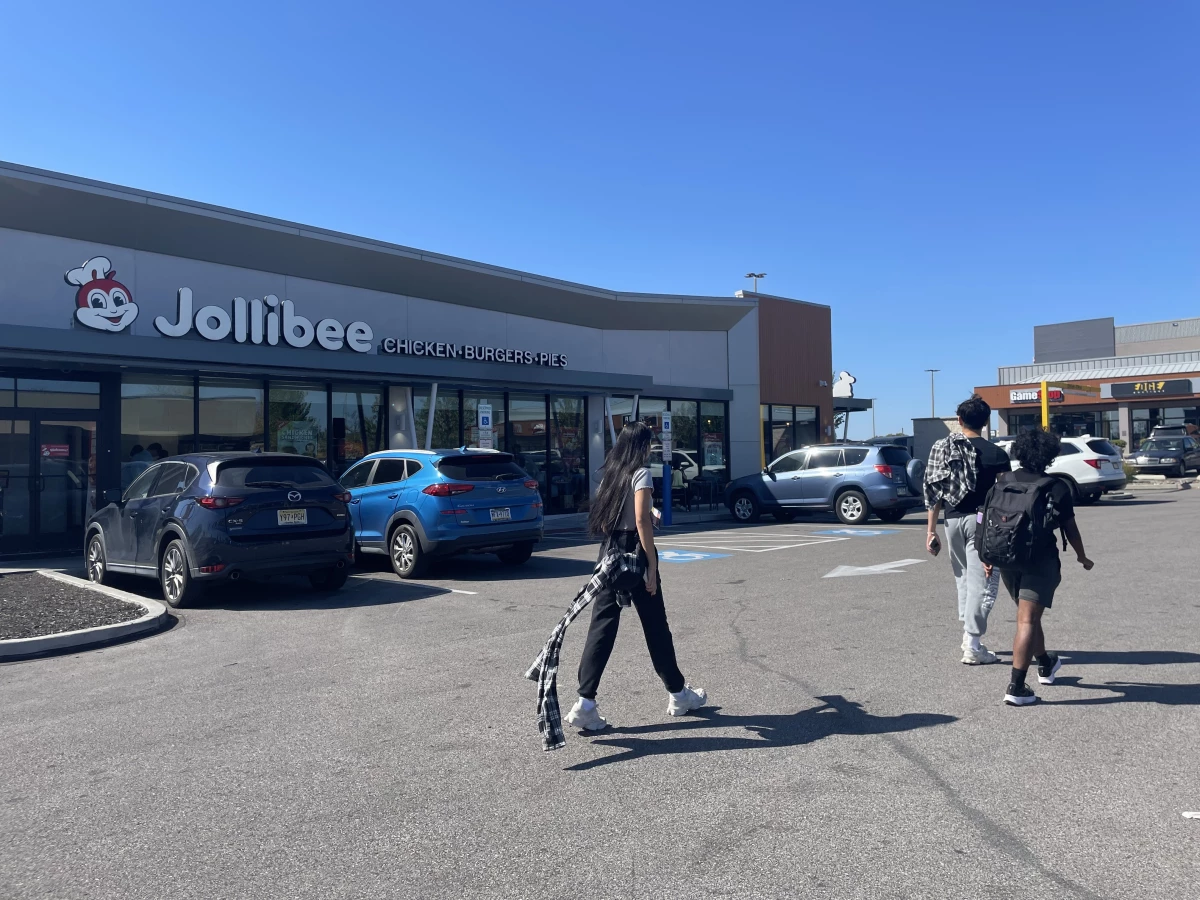
PHILADELPHIA — Exactly a month before Election Day, James Delos Reyes was waiting in the parking lot of Philadelphia’s only Jollibee.
This branch of the Filipino fast food chain has become the de facto meet-up spot for canvassers for the Asian and Pacific Islander Political Alliance (APIPA) — a group that is knocking on doors every day until the election for Vice President Harris and other candidates they’ve endorsed.
“It’s indicative of how much this area has grown in Asian population,” said Delos Reyes, the group’s deputy field director. “It is home to a large Korean, Viet, South Asian population that’s steadily growing. I guess we can count Filipinos up on that list, if Jollibee’s considered enough folks to open up a restaurant.”

Asian American and Pacific Islanders are the fastest-growing voting group in the country. In Pennsylvania, the number of eligible voters from this demographic group grew by a whopping 55% between 2010 and 2020.
It’s still a narrow slice of eligible voters — about 3% — in this critical state. But polls show the presidential race is essentially tied here, so AAPI turnout could help determine who wins.
Growth of the AAPI population in Pennsylvania has been massive
In 2020, President Biden won Pennsylvania by a razor-thin margin – in part thanks to record turnout among AAPI voters.
“The lesson from 2020 was that no matter how small a community is, they matter, especially in a time when the country is so polarized,” said Neil Makhija, the commissioner of Montgomery County.
The county invested in a brand new voting van — where people can register to vote and cast their ballots on the spot. The county plans to take it to Diwali events, fall festivals, and other community gatherings, Makhija said. He said the van is also equipped with information about voting in eight different languages.

For years, the majority of Asian American voters hadn’t been reached out to by either party, data shows.
In part that’s because it takes a lot of labor and money to translate flyers, signs and information on how to vote, said Delos Reyes. His group’s pamphlets in the Philadelphia area have every English sentence translated into simplified Chinese, Viet and Urdu.
While AAPI voters have overwhelmingly voted blue in the past, they haven’t been strongly tied to a specific party, which means they are persuadable targets. But once engaged in politics, Asian American voters tend to stay engaged, according to APIPA.
How candidates are reaching out this year
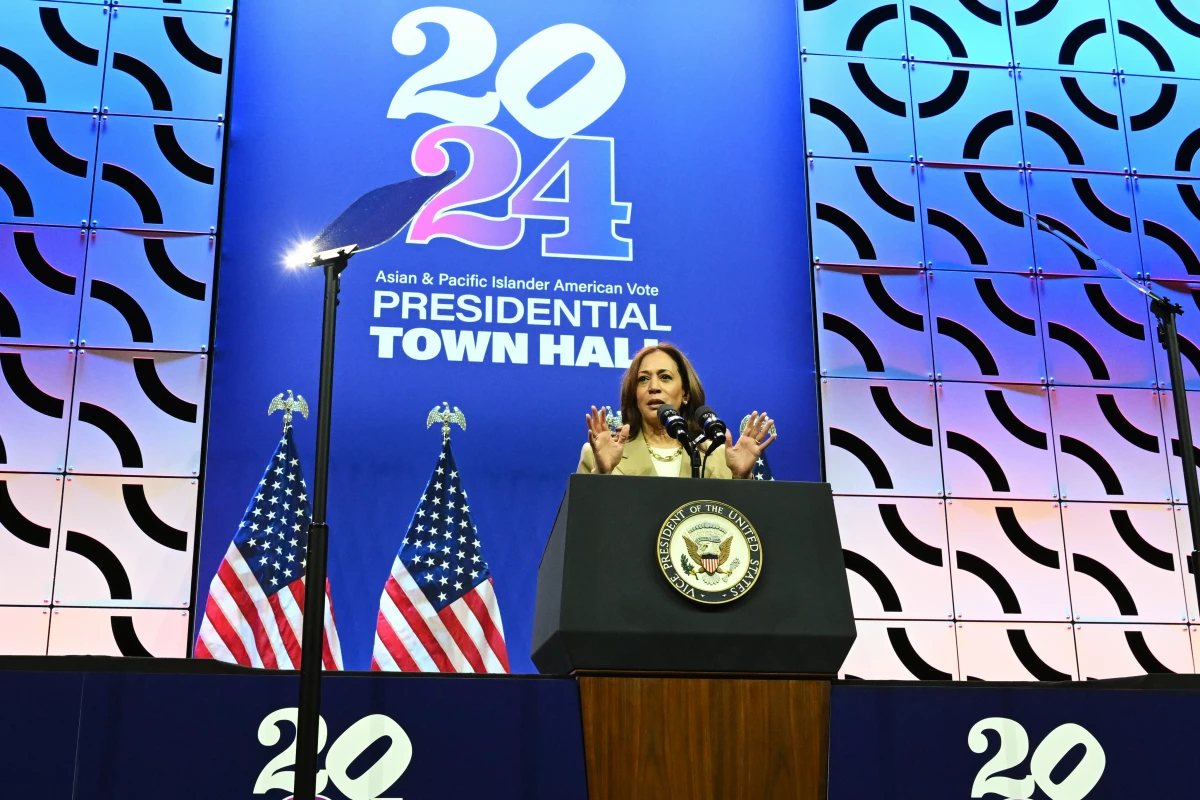
Harris’ campaign has three staffers dedicated to AAPI voter outreach, and they have boosted advertising in Asian American media.
One recent ad slammed Trump for the surge of anti-Asian hate during the COVID-19 pandemic. Another has Harris talking about her mother, an immigrant from India. The phrase “she is one of us” — referring to Harris — is displayed in the ad.
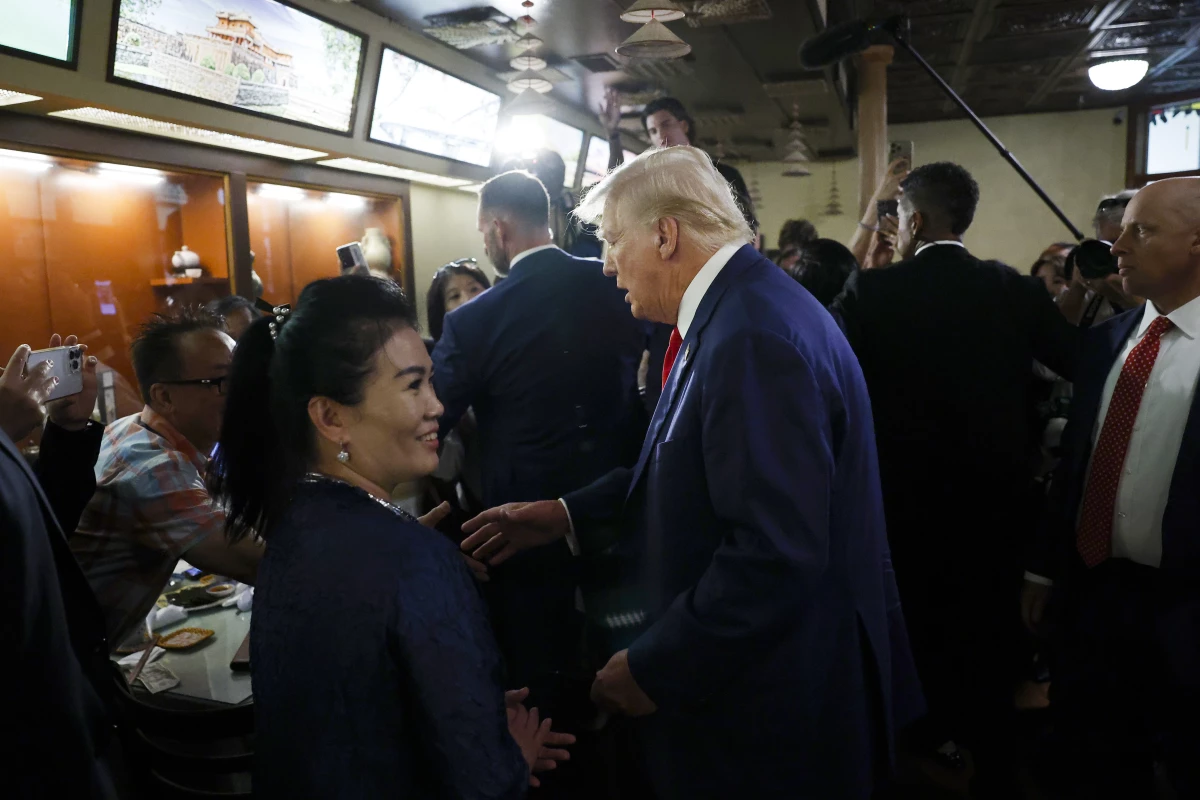
The Trump campaign has done less specific outreach to the community. A Trump campaign official speaking on condition of anonymity because they were not authorized to talk to reporters said their strategy to reach AAPI voters is the same for Black and Latino voters — which is to try to tap into nostalgia for the economy when Trump was president.
This summer, Trump visited the Eden Center, a Vietnamese shopping center in northern Virginia, and rallied with Hung Cao, the GOP candidate for the Senate.
“I don’t know what it is. You’ll have to explain it. But the Vietnamese community loves me and I love them,” Trump said.
AAPI voters will also be critical in other states
Outreach from both parties to AAPI voters could be a deciding factor in other swing states, too. In Nevada, for example, AAPI voters make up nearly 12% of the state’s electorate.
Engaging specific communities within the AAPI demographic could matter, too. In swing states like North Carolina, Georgia and Michigan, Indian Americans are the largest ethnic group among AAPI voters.
In North Carolina, Democratic organizer Mona Singh with the group We See Blue said she saw a surge of interest from South Asians to campaign for Harris after the vice president entered the race.
When President Biden was still the nominee, Singh said she would see about five South Asian volunteers, on average, come out to canvas events Singh organized. Now, she said there are consistently around 20 canvassers.
Advocacy groups say they’re building for future elections, too
In past election cycles, the lack of outreach made many people in the community feel like politics wasn’t for them.
Jamie Min, 29, is a Korean American working in software engineering in Philadelphia. He said he doesn’t vote, even though he has concerns about the economy and immigration.
“I think it’s mostly the culture of just kind of being second-class, almost like and we kind of feel like we don’t have a voice,” Min said.
That feeling is something Linh Nguyễn, the executive vice president of AAPI Victory Fund, is trying to change. Her organization is a political action committee that has backed Harris, and works to engage and mobilize Asian American voters.
Nguyễn has worked for past Democratic campaigns, and said it used to be a “literal battle” to have rally signs translated into different Asian languages.
“I hate to say this, but we were barely on the map. And the understanding of who and what it means to be Asian in America was just not there in mainstream politics,” she said.
This cycle, they’ve put out mailers in California with pictures of families eating hot pot for dinner, and they’ve worked with Asian American influencers and bloggers to reach young voters.
“To see how it’s grown … is one of the most remarkable things I’ve seen in the last 10 years,” Nguyễn said.
NPR’s Jeongyoon Han contributed to this report.
Transcript:
ARI SHAPIRO, HOST:
Asian Americans are the fastest-growing voting group in the country. They helped Democrats win and swing states in 2020. This year, polls are even tighter in states like Pennsylvania. So how and whether Asian Americans vote is an even bigger factor. NPR White House correspondent Deepa Shivaram reports from Philadelphia.
JAMES DELOS REYES: OK. So I’ve given out the assignments.
DEEPA SHIVARAM, BYLINE: It’s exactly one month before Election Day, and James Delos Reyes is waiting for the last few canvassers who are coming to knock on doors. The meeting spot is in the parking lot of Philadelphia’s only Jollibee’s.
DELOS REYES: Jollibee is McDonalds of the Philippines.
SHIVARAM: Delos Reyes works with an advocacy group for Asian and Pacific Islander voters called API PA, and he’s driving out to knock on doors for Kamala Harris. This Jollibee’s opened up two years ago. He says it’s the group’s de facto meeting spot, and it also speaks to their mission.
DELOS REYES: It’s indicative of just, like, how much this area has grown in Asian population.
SHIVARAM: AAPI voters are still a tiny slice of the state’s electorate and have often been overlooked. But in the last decade, the number of eligible AAPI voters here grew by a whopping 55%. And voter engagement is growing, too.
UNIDENTIFIED CHILD: (Screaming).
SHIVARAM: Meanwhile, at a fall festival in neighboring Montgomery County, Neil Makhija is showing off a brand-new voting van.
NEIL MAKHIJA: So you can see in here, we’ve got three staffers who have terminals.
SHIVARAM: It’s a van where people can register to vote and cast their ballot on the spot. Makhija is the commissioner of this county. And he says it’s important to meet voters where they are.
MAKHIJA: We will show up at Diwali events. We’ll show up at events for the Korean American community, and we’ll have all of our language assistance guides available, no matter where we are.
SHIVARAM: With so many languages and cultures within the AAPI community, engagement takes extra labor and is costly. But in tight races, it can pay off. President Biden won Pennsylvania by a razor-thin margin in 2020, in part thanks to huge turnout from AAPI voters.
MAKHIJA: The lesson from 2020 was that no matter how small a community is, they matter, especially in a time when the country is so polarized.
SHIVARAM: It’s a lesson that both parties are starting to learn. While Asian Americans overwhelmingly vote blue, they don’t tend to strongly identify with a party, which makes them somewhat persuadable, especially in key states like Pennsylvania, North Carolina and Georgia. Harris, who is Asian American herself, has been doing specific outreach to AAPI voters with ads airing on Asian American media outlets on issues like crime. Former President Donald Trump’s approach has been broader. This summer he visited a Vietnamese restaurant in Virginia.
(SOUNDBITE OF ARCHIVED RECORDING)
DONALD TRUMP: I don’t know what it is. You’ll have to explain it. But the Vietnamese community loves me, and I love them.
SHIVARAM: Until around 2020, there wasn’t much outreach to AAPI voters from Republicans or Democrats.
(SOUNDBITE OF MUSIC)
SHIVARAM: And this has led to many feeling like politics just isn’t for them, like Jamie Min, who was with his friends at a kimchi festival in Philadelphia. He’s 29, Korean American and says he cares about issues like the economy and immigration. But he doesn’t vote.
JAMIE MIN: I know a lot of my friends – Asian American friends – don’t vote. And I think it’s mostly, like, the culture of just kind of being second class almost, and we kind of feel like we don’t have a voice.
SHIVARAM: That feeling is what Linh Nguyen is trying to change. She leads AAPI Victory Fund. It’s a political action committee that backs Harris. This year, they’ve put out mailers that have pictures of families eating hot pot for dinner, and they’re working with AAPI influencers and bloggers to try and engage with young voters directly.
LINH NGUYEN: To think of where we were six years ago, eight years ago, 10 years ago, I hate to say this, but we were barely on the map. And the understanding of who and what it means to be Asian in America was just not there in mainstream politics.
SHIVARAM: But she says the growth and investment in AAPI voters in the last 10 years has been remarkable. She says it’ll impact next month’s election and will pave the way for future elections in 2026, 2028 and onward. Deepa Shivaram, NPR News, Philadelphia.
