


DELANO, Calif. – A few hours north of Los Angeles, the small city of Delano is surrounded by miles and miles of grapevines, orange groves and almond orchards. According to Monike Reynozo, everyone here either works in those fields, or knows someone who does.
“This is what drives and fuels our city,” she said.
Reynozo works for a youth advocacy group known as Loud For Tomorrow, but she said her parents were farmworkers, and their parents before them.
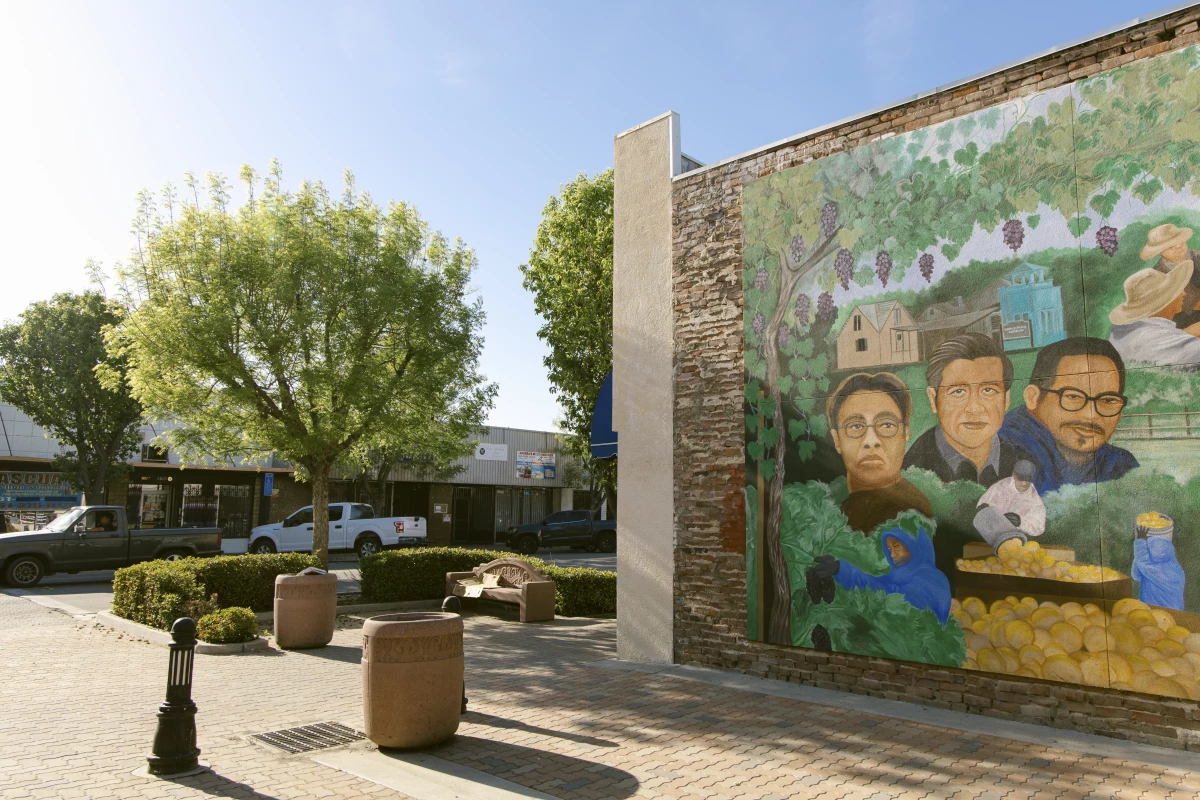
On a recent spring morning, she’s walking down an alley to a brightly colored mural that covers the side of a building in the center of town. It shows people in sun hats harvesting fruit, and a little girl proudly holding a bunch of plump, purple grapes.
“It really showcases some of our local farm labor movement leaders as well as the diverse faces of Delano,” she said.
One of the most prominent faces on the mural is Cesar Chavez, who lived in Delano for nine years. The city was also home to the first headquarters of the United Farm Workers (UFW) labor union, which he cofounded in the 1960s and has been lobbying for reforms to farm labor ever since. He’s long been considered a local hero.

But earlier this month the New York Times published a bombshell investigation alleging the late civil rights leader sexually abused young girls in the 1970s, and raped his longtime ally and co-leader in the farmworkers labor movement, Dolores Huerta in the 1960s. The investigation came out nearly two weeks before Chavez’s birthday – March 31 – which has long been a holiday in many places. And in the aftermath of the allegations, some states, including California, have scrambled to rename the day. Meanwhile, farmworker communities are reeling – especially in Central California, which became the cradle of the farm labor movement.
As Reynozo looks up at his portrait, she says the allegations against him are heartbreaking. He was one of her role models. But she thinks this mural – and the farmworker narrative – don’t need him anymore.
“He’s just one individual amongst, you know, thousands of people who have been fighting for this and continue to fight for it,” she said.
No consensus among Delano residents on how to process allegations
Across California, statues of Chavez are being torn down and elected officials are moving to erase his name from public spaces.
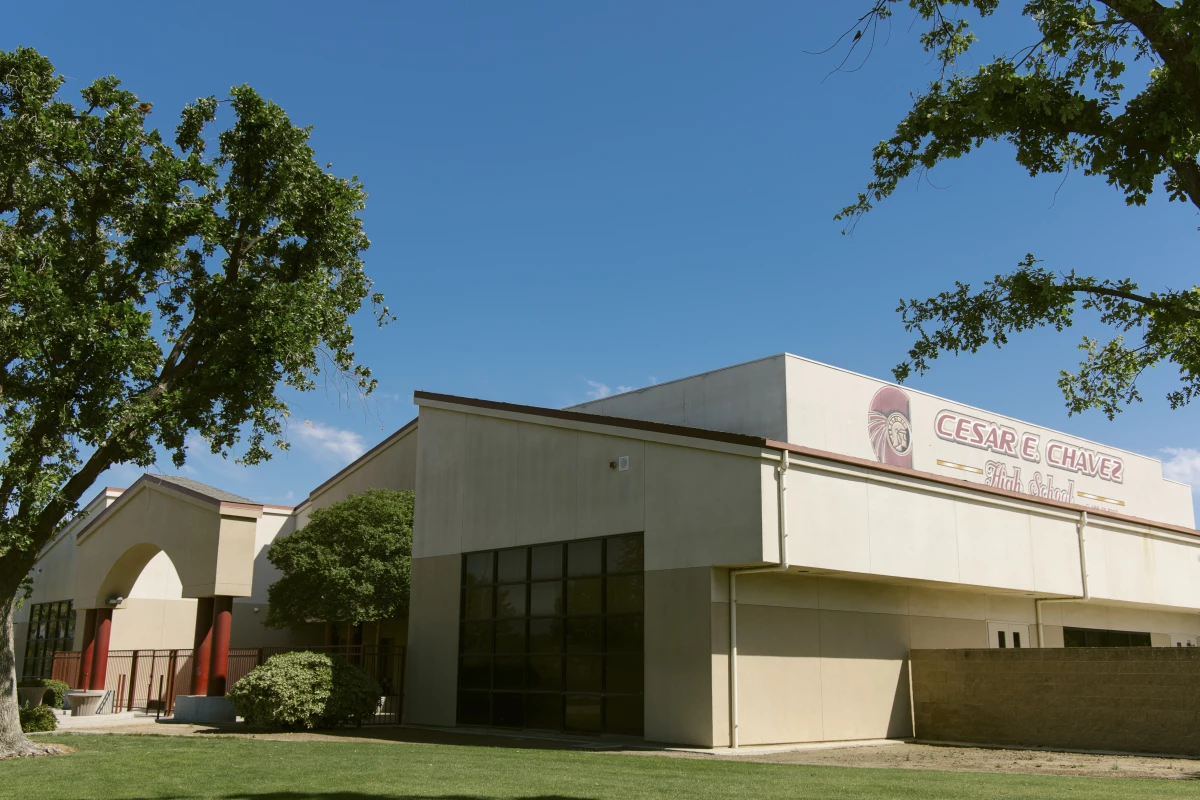
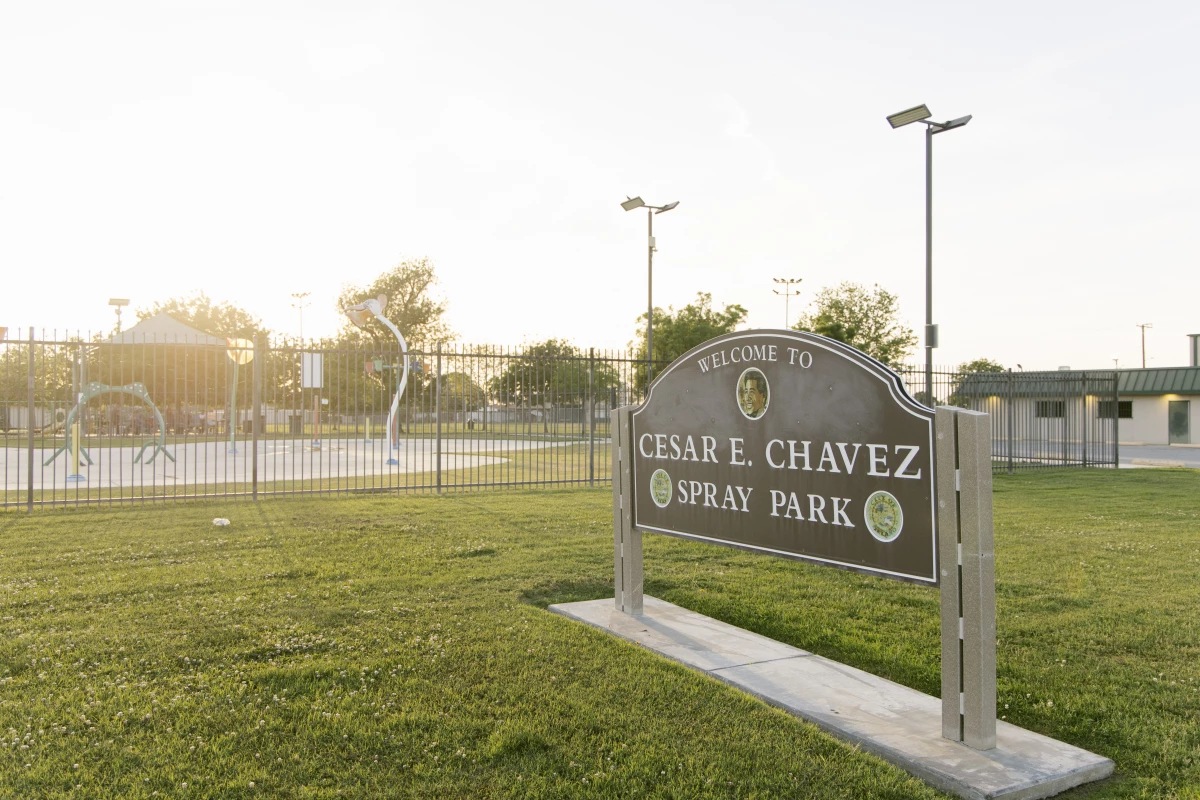
Some in Delano are pushing for similar changes. The Delano Joint Union High School District voted last week to rename Cesar E. Chavez High School. And city leaders are likely to discuss renaming the city’s Cesar Chavez Park in a city council meeting in early April.
“Everything that we want to take into account, for how does accountability look like at the Delano level, will be on the table,” said city councilmember Bryan Osorio.
But he’s not certain the city council will vote to make changes, because there’s a lot of resistance here.
Chavez’s union helped transform conditions for farmworkers – including higher pay, work breaks, and even bathrooms, which weren’t guaranteed in the fields. That changed people’s lives. And that’s why, Osorio says, many are struggling with the allegations against Chavez. Some even feel angry at his accusers.
“This man was a huge part of Delano’s history, is still part of Delano’s history,” Osorio said. “There’s always going to be folks who are skeptical.”
That includes Armando Pulido. He picks grapes in the nearby town of Earlimart. And like a lot of farmworkers in the area, he says he doesn’t believe Chavez’s accusers.
“I think everything is a lie, that they made up, because they came out with it now after Chavez died,” he said in Spanish. “Why didn’t they bring it up while he was alive?”
Dolores Huerta explained why she waited to come forward in an interview with Latino USA on March 19.
“When people say, why didn’t you leave? Why didn’t you tell people? Well, this is why, because I felt that my coming out and saying what occurred would have hurt the movement,” she said.
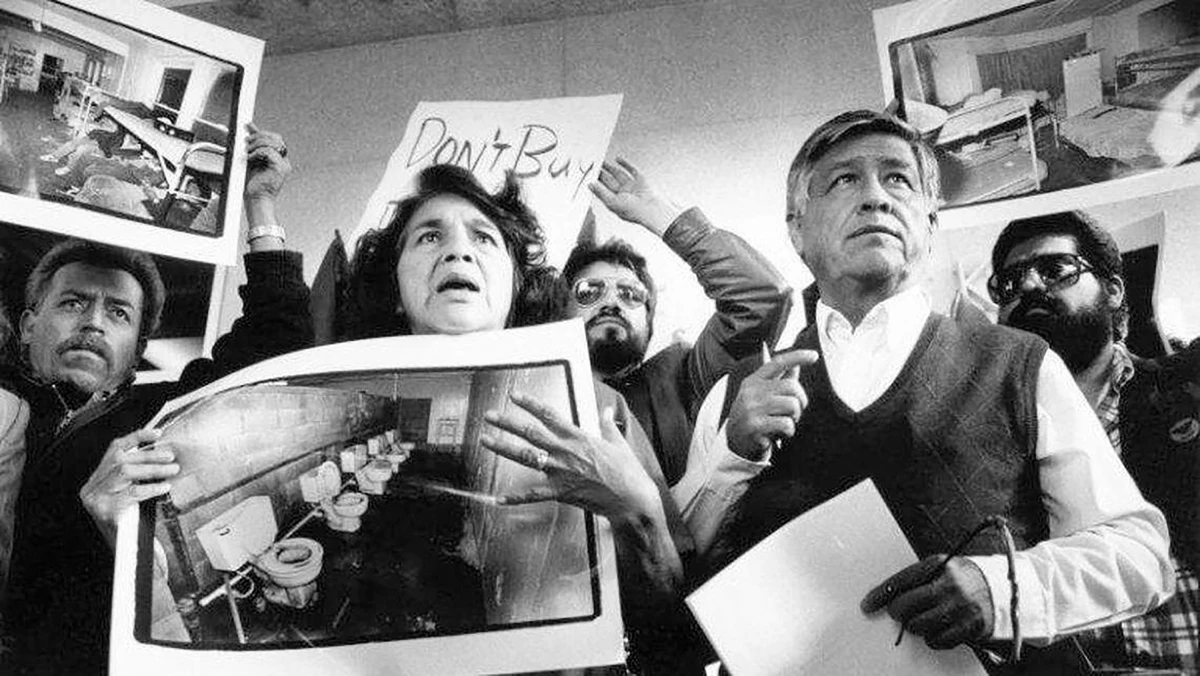
The New York Times reported that some people had previously been made aware of abuse claims by two other women – Ana Murgia and Debra Rojas – and nothing came of it. They cited internal emails among union members about Murgia’s claims going back over a decade. And they also said Rojas posted a message over ten years ago about Chavez’s alleged abuse to a private Facebook group for longtime Chavez organizers and supporters – and “was accused by some who saw it or heard about it of jeopardizing all that had been accomplished.” NPR has not independently confirmed these details.
Some see an opportunity for more informed conversations
Whether or not the city ultimately erases Chavez’s name from public spaces, some think this is an opportunity to highlight other pivotal labor leaders – including Filipino organizer Larry Itliong.
Itliong, who was born in 1913, organized farmworkers for decades before Chavez and Huerta came along. And Filipino workers under Itliong’s leadership started the 1965 Delano Grape Strike, which later led to the founding of the UFW.
“A lot of Filipinos, to this day, we always say: without Larry Itliong, there’d be no Cesar Chavez,” said Rogelio Gadiano, who was born in the Philippines and grew up in Delano.

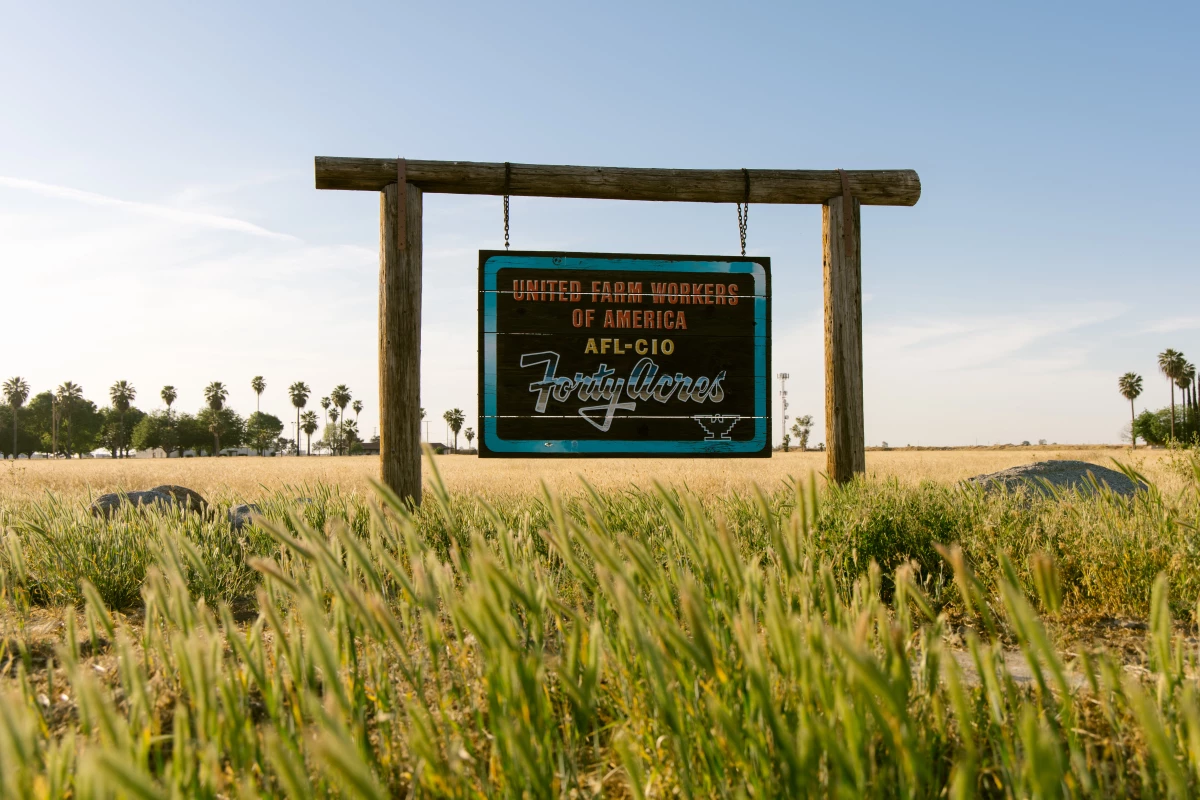
Gadiano worked in the fields off and on from childhood into middle age. Today, he leads tours of local historical sites that were important to the early farm labor movement. That includes The Forty Acres, a sprawling site on the outskirts of town that held the UFW’s first headquarters as well as a retirement village for aging Filipino farmworkers.
Gadiano wishes Itliong’s story – and the story of Filipino farmworkers – were better known.
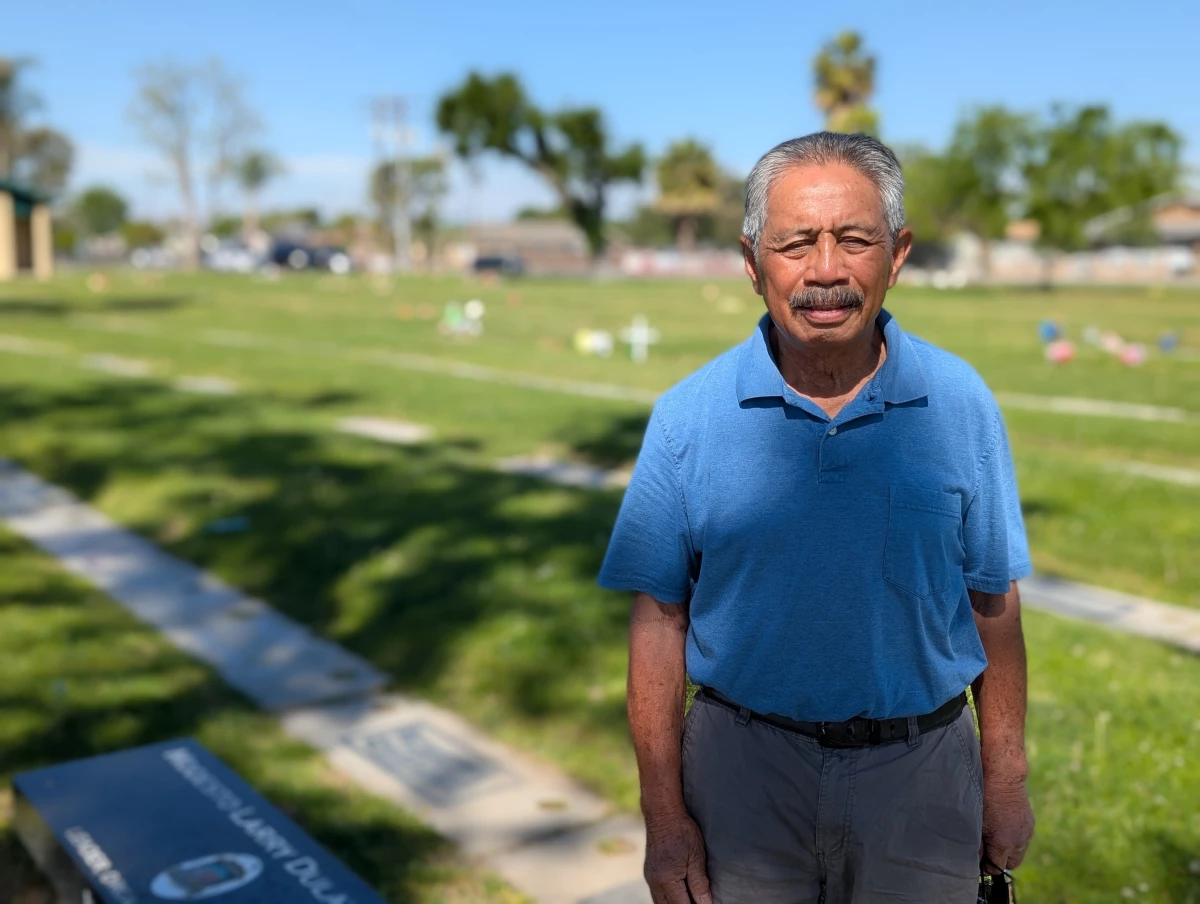
“We got buried in history,” he said. “We were the spark, the ultimate spark.”
Whatever happens with Chavez’s legacy, Gadiano hopes this situation can lead to more informed conversations about farmworker history.
Transcript:
SCOTT DETROW, HOST:
Tomorrow is the holiday that for years has been known as Cesar Chavez Day. But earlier this month, The New York Times published a bombshell investigation alleging the late civil rights leader sexually abused and assaulted women and girls in the 1960s and ’70s. Some states have scrambled to rename the day, and farmworker communities are reeling, especially in central California, which became the cradle of Chavez’s farm labor movement. KVPR’s Kerry Klein has the story.
KERRY KLEIN, BYLINE: A few hours north of Los Angeles, the small city of Delano is surrounded by miles and miles of grapevines, orange groves and almond orchards. Monique Reynoso (ph) says everyone here either works in those fields or knows somebody who does.
MONIQUE REYNOSO: This is what drives and fuels our city.
KLEIN: Reynoso works for a youth advocacy group, but her parents were farmworkers and their parents. She leads me down an alley to a brightly colored mural that covers the side of a building in the center of town. It shows people in sun hats harvesting fruit and a little girl proudly holding a bunch of plump purple grapes.
REYNOSO: And it really showcases some of our local farm labor movement leaders, as well as, you know, the diverse faces of Delano.
KLEIN: One of the most prominent faces on the mural is Cesar Chavez. He lived in Delano for nine years. It was home to the first headquarters of the United Farm Workers labor union, which he cofounded. He’s long been considered a local hero. As Reynoso looks up at his portrait, she says the allegations against him are heartbreaking. He was one of her role models, but she thinks this mural and the farmworker narrative don’t need him anymore.
REYNOSO: He’s just one individual amongst, you know, thousands of people who have been fighting for this and continue to fight for it.
KLEIN: Across California, statues of Chavez are being torn down, and elected officials are moving to erase his name from public spaces. Some in Delano are pushing for similar changes. A school district voted last week to rename Cesar E. Chavez High School. And city council member, Bryan Osorio, says leaders will discuss renaming Cesar Chavez Park.
BRYAN OSORIO: Everything that we want to take into account for how does accountability look like at the Delano level, it will be on the table.
KLEIN: But he’s not sure the city council will vote to make changes because there’s a lot of resistance here. Chavez’s union helped transform conditions for farmworkers with higher pay, work breaks, even bathrooms, which weren’t guaranteed in the fields. That changed people’s lives. And that’s why Osorio says many are struggling with the allegations against Chavez. Some even feel angry at his accusers.
OSORIO: This man was a huge part of Delano’s history – is still part of Delano’s history. And, you know, there’s always going to be folks who are skeptical.
KLEIN: That includes Armando Polito (ph). He’s a grape picker. Like a lot of residents, he says he doesn’t believe Chavez’s accusers.
ARMANDO POLITO: (Speaking Spanish).
KLEIN: He says he thinks everything is a lie, and they made it up because they came out with it now after Chavez died. He asks, “why didn’t they bring it up while he was alive?” One of Chavez’s accusers was Dolores Huerta. She was also one of his allies and cofounded the UFW with him. She explained why she waited to come forward in an interview with Latino USA.
(SOUNDBITE OF ARCHIVED RECORDING)
DOLORES HUERTA: When people say why didn’t you leave? Why didn’t you tell people? Well, this is why. Because I felt that my coming out and saying that would have hurt the movement.
KLEIN: Two other women who came forward told The New York Times they did speak up previously, but nothing came of it. Whether or not the city ultimately erases Chavez’s name from public spaces, some think this is an opportunity to highlight other pivotal labor leaders, like Filipino organizer Larry Itliong. Rogelio Gadiano (ph) is Filipino and grew up in Delano. He leads tours of local historical sites and wishes Itliong were better known.
ROGELIO GADIANO: A lot of Filipinos to this day – we always say without Larry Itliong, there’d be no Cesar Chavez.
KLEIN: Itliong organized farm workers for decades before Chavez and Huerta came along. And Filipino workers started the 1965 Delano grape strike, which later led to the founding of the UFW.
GADIANO: We got buried in history. We were the spark, the ultimate spark.
KLEIN: Whatever happens with Chavez’s legacy, Gadiano hopes this can be the spark for more informed conversations about farmworker history. For NPR News, I’m Kerry Klein in Delano, California.
