


In a recent speech at the National Conservativism Conference, vice presidential candidate JD Vance urged the audience to “go to Springfield, Ohio.”
It’s not the first time the Ohio senator has spoken about the small midwestern city.
In a presidential race where immigration is taking center stage, Vance has frequently pointed to Springfield as a cautionary tale of unchecked immigration: the town of around 60,000 has received some 15,000-20,000 migrants in the last four years, many of them from Haiti.
“I could not believe it when I first heard about it,” Vance continued. “Ask the people there, whether they have been enriched by 20,000 newcomers in four years.”
The answer to that question depends on whom in Springfield you ask. Critics, including Vance, warn of strains on city services, while supporters say the influx will eventually lead to much-needed economic gains and population growth.
In many ways, Springfield is a typical Midwestern story. The auto industry was once the backbone of this city.
“My grandfather worked there, my father, my husband’s father,” says Wittenberg University economics Professor Rachel Wilson, a third-generation Springfielder herself.
As the industry shrunk, Springfield’s population declined precipitously. “It was a very slow, slow death,” says Wilson. “The wind has been knocked out of the sail here.”
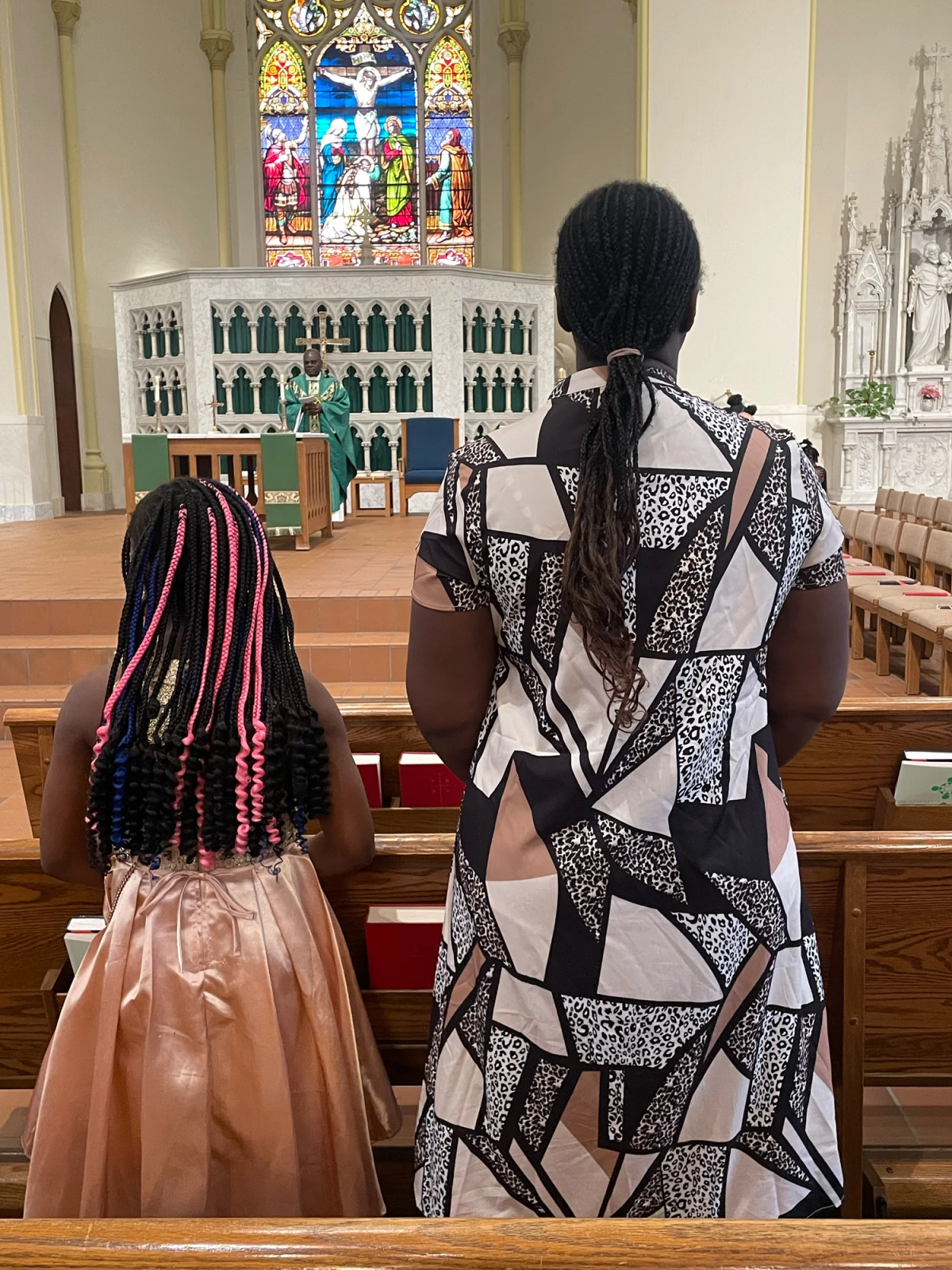
Around 2020, things in this town took an unexpected turn. Thousands of Haitian migrants, fleeing violence and poverty, landed in Springfield. Locals say it felt like it happened overnight. On Sunday afternoons, you could suddenly hear Creole mass wafting through downtown streets. Haitian restaurants started popping up.
After creole mass at St. Raphael Church, parishioner Patrick Joseph sat with NPR at Rose Goute, one of several Caribbean eateries in town. He recommended the fish patties, goat stew and a cold coconut water. As he took a bite, he talked about what the headlines often miss about his country: Haiti is a beautiful place.
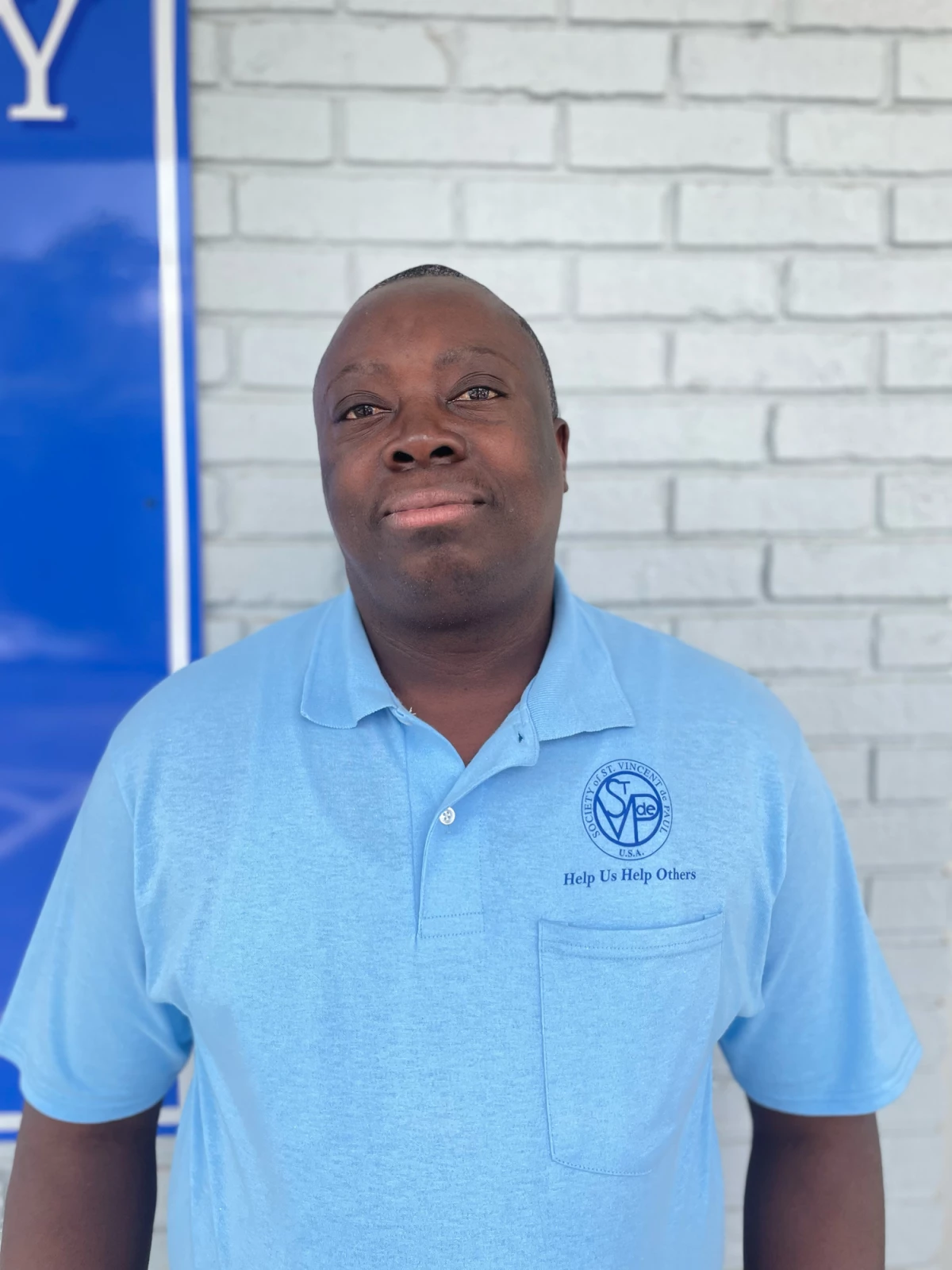
“The sunshine, the sand, the ocean itself,” he muses.
Back home, Joseph used to work in customer service for Royal Caribbean Cruises. When the pandemic hit, he lost his job. Unemployed, he watched as Haiti collapsed into gang violence, and decided to migrate to the U.S. Through his work with Royal Caribbean, Joseph had a visa. And someone had told him about Springfield.
“They said Ohio is the [best] place to come get a job easily,” he says.
Sure enough, as soon as he got to Springfield, Joseph landed two jobs: at a steel manufacturing plant, and a non-profit working as a Creole translator.
He says those early days in Springfield felt impossible. He lived in a two-bedroom house, with 15 other Haitian workers. At night, he says he’d call his wife crying. She’d give him three instructions: “Be careful. Be courageous. Survive.”
‘There are jobs there’ isn’t a phrase often associated with this area. In his memoir, Hillbilly Elegy: A Memoir Of Family And Culture In Crisis, Donald Trump’s vice presidential pick, JD Vance, describes the economic depression and white working-class alienation in this part of Ohio. (Middletown, where Vance is from, is just an hour’s drive away). A centerpiece of the Trump-Vance ticket is the allegation migrants are taking American jobs and driving down wages for native-born workers.
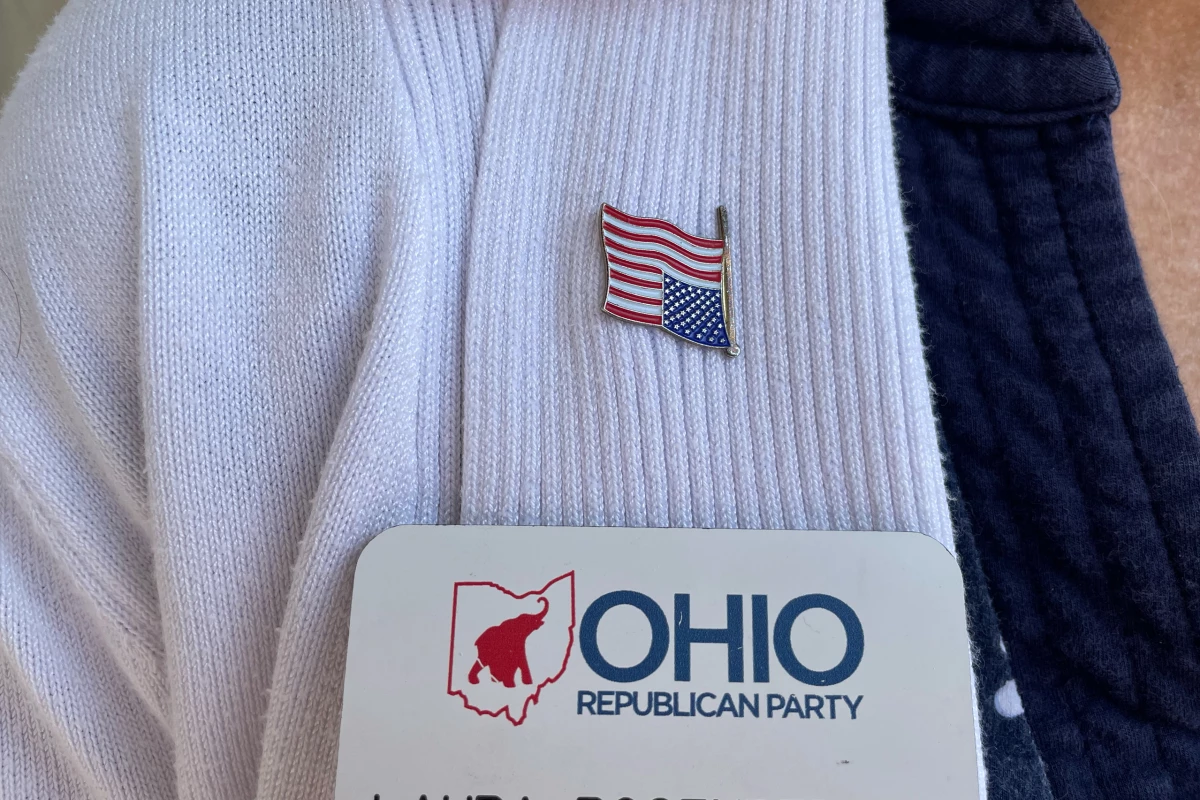
Opinions about the migrant influx are varied in this town. Ohio is a swing state. In Springfield, that looks like manicured lawns with Democratic ads standing next to Trump-Vance campaign signs, and a few “Don’t tread on me” flags flying high.
There are also plenty of Republicans here who say the GOP messaging on immigration and jobs is way off base.
“I think this whole notion of migrants taking American jobs is hogwash,” says Jamie McGregor, the CEO of the McGregor Metal plant here. “That’s spoken like a true person that has never made a payroll or tried to, you know, run a business.”
He beams with pride telling his own family’s story: they arrived in Springfield some 165 years ago and started working in the flower business. “You know, my family was once an immigrant, says McGregor. “And so I wonder how they were accepted.”
As he shows us through the plant, McGregor talks about Springfield’s history. He says the term “rust belt” doesn’t offend him — he just thinks it leaves a lot out. The McGregor Metal Plant produces steel parts and welded assemblies for the auto, agriculture and other industries. He employs over 300 people. Business is good.
But it hasn’t always been easy. “Coming out of the pandemic, you know, the economy roared and demand was outpacing what we could produce.” McGregor says the company was profoundly affected by labor shortages, and some 30 new Haitian workers were vital to filling the gap.
“I mean, the fact of the matter is, without the Haitian associates that we have, we had trouble filling these positions.”
But he is also worried about how many newcomers the city can handle in such a short amount of time. Springfield, a city that even before the migrant influx had a poverty rate twice the national average, has had a 25% population increase in the last four years. Many of the newcomers are in desperate need of assistance. McGregor serves on several hospital boards and says he’s seen them get overwhelmed. “I think there’s this sort of growing animosity that exists, especially in certain areas.”
He’s hardly alone in his concern. “Our community has a big heart. But it’s being overwhelmed,” says Mayor Rob Rue. “And everybody has a burnout level. Everybody does.”

His office says community hospitals are spending up to 50 thousand dollars a month in translation services. About 40 new students arrive in the district every week – many of whom don’t speak English.
There has been a tangible impact on services. “You’re seeing an increase in calls for service,” says Springfield Police Chief Allison Elliot. “But officers are responding to calls where there are language barriers. Which then slows down our efficiency.”
“We want to grow as a community,” Mayor Rue says. “The speed in which we have experienced this growth is what we’re concerned about, and why we say we need help from the (federal) government.”
Over at the Clark County Fair, amid shrieking teenagers and prize-winning vegetables, GOP committee woman Glenda Bailey is running the local Republican party booth. She’s selling Trump-Vance hats and memorabilia. By late afternoon, she’s sold out.
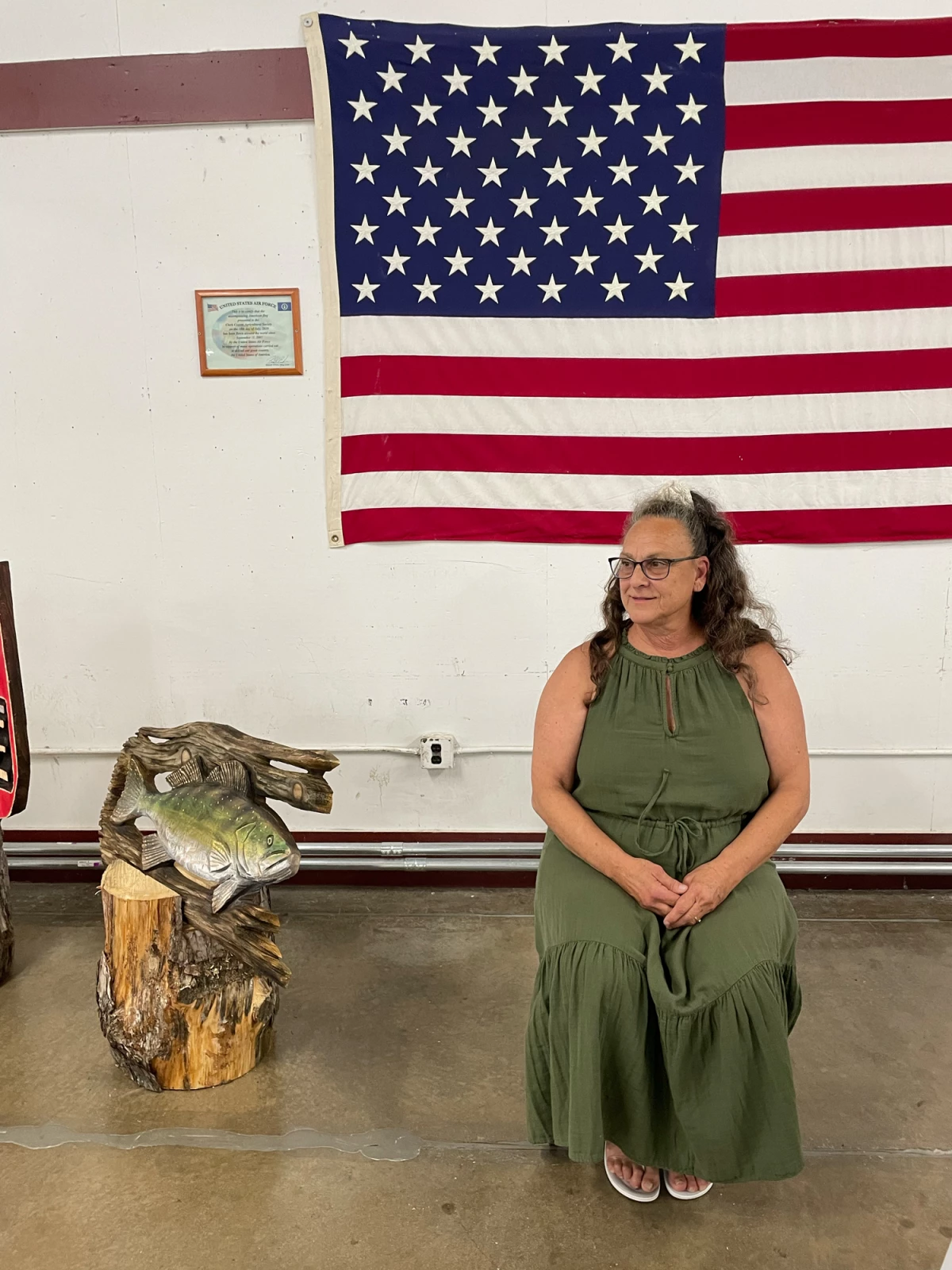
She’s angry about the influx of Haitian migrants, and her hope is that a second Trump presidency will “start the deportations, but then allow an orderly immigration.”
Bailey has become one of the louder voices decrying the impact of immigration on Springfield. “Some of the Haitians are gang members”, she says. “I’ve seen them.”
Denice D Williams is the president of the Springfield NAACP
The Springfield Police told NPR that while property crime has increased in recent years in line with national trends, there is no evidence connecting this rise to Haitian migrants. The police also said there has been no discernible evidence of Haitian gangs in the city.
But the influx of migrants has sparked rumors and serious anger. “They have become the occupiers,” Bailey says. “What they’ve done is they’ve replaced the population in Springfield, Ohio.”
The Springfield Police Department says it’s dealt with its fair share of rumors and misinformation.
“I think it’s sad that some people are using this as an opportunity to spread hate or spread fear,” says Officer Jason Via, Deputy Director of Public Safety and Operations. “We get these reports ‘the Haitians are killing ducks in a lot of our parks’ or ‘the Haitians are eating vegetables right out of the aisle at the grocery store’. And we haven’t really seen any of that. It’s really frustrating. As a community, it’s not helpful as we try to move forward,” Via says.
The rhetoric has gotten so heated, civil rights groups have stepped in. “Frankly, it’s embarrassing,” says Denice D Williams is the president of the Springfield NAACP.
Williams says she understands concerns about the influx testing infrastructure and services. It’s the invasion rhetoric that disturbs her, and brings back painful memories.
“I’m not surprised, I’m disgusted. I grew up in an all-white neighborhood, so they were telling us, ‘go back to where you came from.’ They would trash our yard. I’m 70 years old, and I’m still hearing ‘send them back.’”

The accusation that immigrants are hurting American workers is hardly a new one. It’s also one that economists tend to disagree with. “On net, immigration is good for an economy,” says economics professor Wilson. “Because they [immigrants] are creating their own demand. They don’t live in a vacuum. They want houses, they want groceries, they want cars, they want cell phones. They’re demanding goods and services.
The city, she says, is at a crossroads. “We desperately need population. For economic growth, you need population growth, and increases in productivity.”
This immigration boom, she says, could be exactly what Springfield needs.
“It will be good in the long run for our economy. It’s just this transition period that I hope we can make it through. Can we make it through to the other side, to the benefits?“
Transcript:
ARI SHAPIRO, HOST:
Former President Donald Trump has made cracking down on immigration and mass deportation of undocumented migrants central to his campaign. Trump’s running mate, Senator JD Vance, has pointed to the area he’s from as a cautionary tale about immigration run amuck. Springfield, Ohio, has a population of about 60,000 people. In the last few years, it’s received an estimated 15,000 to 20,000 migrants.
(SOUNDBITE OF ARCHIVED RECORDING)
JD VANCE: Now, go to Springfield, go to Clark County, Ohio, and ask the people there whether they have been enriched by 20,000 newcomers in four years.
SHAPIRO: NPR’s Jasmine Garsd went to Springfield to try to answer that very question.
JASMINE GARSD, BYLINE: In a lot of ways, the story of Springfield, Ohio, is like so many in the industrial Midwest. Once a booming auto manufacturing town, it’s been losing population every year since the 1960s. But in the last four years or so, that story took a twist.
UNIDENTIFIED MUSICAL ARTIST: (Singing in non-English language).
GARSD: On Sunday afternoons, you started hearing Creole Mass at St. Raphael Church wafting through a downtown street, reflecting the arrival of thousands of Haitian migrants.
PATRICK JOSEPH: (Speaking French).
GARSD: After mass, I meet parishioner Patrick Joseph at a Haitian restaurant. He recommends fish patties and a cold coconut water. Back in Haiti, Joseph worked for Royal Caribbean cruises. Last year, as Haiti descended further into chaos, he fled. Someone told him, go to Springfield, Ohio.
JOSEPH: They said Ohio is a must place to come and to get a job easily.
GARSD: There are jobs in Ohio, he was told, and not enough workers. And Joseph had a work visa. Sure enough, as soon as he got here, he landed two jobs, one at a metal factory and at a nonprofit translating Creole to English. There’s jobs there isn’t a phrase often associated with this area. In his memoir, “Hillbilly Elegy,” vice presidential candidate JD Vance wrote about white working-class alienation here. Vance hails from Middletown, just an hour’s drive away. A centerpiece of his message with Trump is the charge that migrants are taking jobs from Americans.
JAMIE MCGREGOR: Hey. How are you doing?
GARSD: Over at the McGregor Metal Plant, CEO Jamie McGregor says his business is doing well. They employ over 300 people and produce steel parts and welded assemblies for cars, farms and lawn equipment. McGregor says the labor shortage here was very real. The three dozen or so Haitian immigrants he hired helped fill that gap.
MCGREGOR: The fact of the matter is without the Haitian associates that we have, we had trouble filling these positions.
GARSD: The vast majority of Haitians in Springfield are in the U.S. legally, and most are eligible to work through federal programs such as temporary protected status or humanitarian parole. And many have found work here in manufacturing plans, including the local Dole Foods factory. McGregor, a registered Republican, says he wishes the conversation about migrants was more nuanced.
MCGREGOR: I think this whole notion of migrants taking American jobs is hogwash. That’s spoken like a true person that has never made a payroll or tried to, you know, run a business.
GARSD: But like many Springfielders, he’s concerned. This town has had a 25% population increase in the last four years, many of them in desperate need of assistance. Springfield Mayor Rob Rue says the city just wasn’t prepared.
ROB RUE: Our community has a big heart, but it’s being overwhelmed.
GARSD: Springfield’s poverty rate is double the national average. And now, according to local government, community hospitals are spending up to $50,000 a month in translation services. Mayor Rue says the local school system averages 40 new students every week, many of whom don’t speak English.
RUE: The speed in which we have experienced this growth is what we’re concerned about and why we say we need help from the government.
GARSD: Over at the local Clark County Fair, amid shrieking teenagers and stands of prize-winning vegetables, local Republican committeewoman Glenda Bailey sells Trump-Vance signs and memorabilia. She’s sold out for the day. Bailey says she’s angry about the influx of Haitians. She hopes a second Trump presidency will send them back to the island.
GLENDA BAILEY: Start the deportations, but then allow an orderly immigration. I mean, some of the Haitians are gang members. I mean, I’ve seen them.
GARSD: The Springfield Police told NPR that while property crime has increased in line with national trends, there’s no evidence connecting this rise to Haitian migrants. They also said there’s no evidence of Haitian gangs in the city. But these kinds of allegations and rumors are common in this part of Trump country. Again, local GOP committeewoman Glenda Bailey.
BAILEY: They have become the occupiers. What they’ve done is they’ve replaced the population in Springfield, Ohio.
DENISE D WILLIAMS: Can we just be serious for a minute?
GARSD: Denise D. Williams is the president of the Springfield NAACP. She says she understands concerns over services being stretched thin. But the invasion rhetoric – that disturbs her.
WILLIAMS: I grew up in a all-white neighborhood. So they was telling us go back to where you came from. They would trash your yard. I’m 70 years old. And still, I’m hearing send them back.
GARSD: Experts say immigration in the long run is good for the economy. It’s the first few years that can be rocky. And that’s the crossroads Springfield finds itself at. Immigration could be the gift this Midwestern town needs. The looming question is, can they afford it, and will they accept it? Jasmine Garsd, NPR News, Springfield, Ohio.
