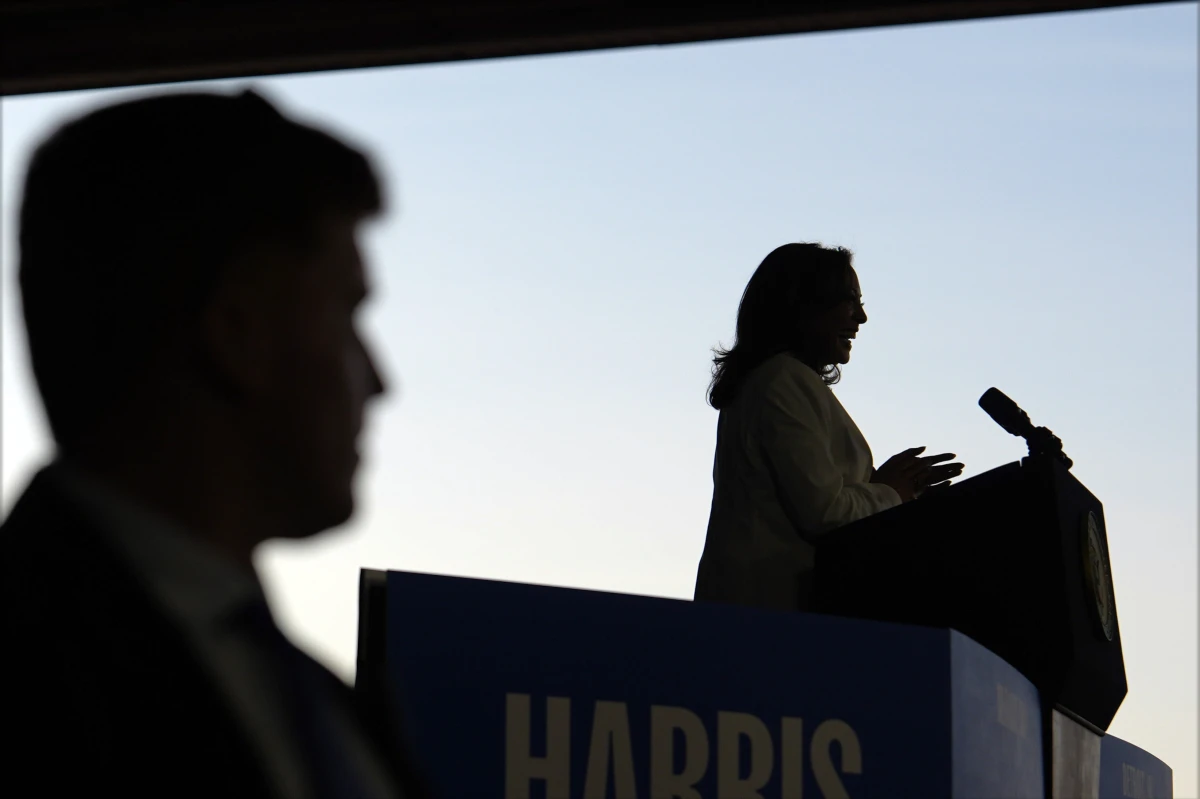
It’s been more than 20 years since Kamala Harris first started preparing for political debates. But the parallels between that first race and this current run for the White House have some striking similarities.
When Harris ran for district attorney of San Francisco in 2003, she faced a short election timeline in the primary race. She was up against two opponents, including incumbent Terence Hallinan, who were more well-known than she was. Plus, Hallinan, just like Harris’ current opponent, former President Donald Trump, had a tendency to mispronounce her first name.
In that 2003 primary, Harris needed a standout moment to put her on the map and help introduce her to voters.
“We were the underdog. We were running up the middle,” said Rebecca Prozan, Harris’ campaign manager in that race.
“Two entrenched candidates. San Franciscans didn’t know her as well as they knew the others,” Prozan said. “And coming with the background she came from, she had to outdo both, and not just outdo them — she had to mop the floor with them.”
There were at least a dozen debates in that primary. But at the one held at the James Lick Middle School auditorium, Harris had her moment.
Harris was asked about San Francisco’s mayor, Willie Brown, whom Harris had once dated. It could have been a moment to answer the question in a personal way, but Harris pivoted. She used the question as an opportunity to call out her opponents’ negative attacks on each other. Hallinan had recently been calling out their other opponent, Bill Fazio, for getting caught in a massage parlor during a raid, for example.
Harris stood on stage between the two men and said she would make her campaign about the issues voters cared about. The audience loved it.
The moment, Prozan said, put Harris’ opponents “on notice” and sent a message: “You’re not going to push me around. I’m here. I’m running. I’m going to win,” Prozan said.
Harris went on to beat Fazio in the runoff election, and later defeated Hallinan in the primary.
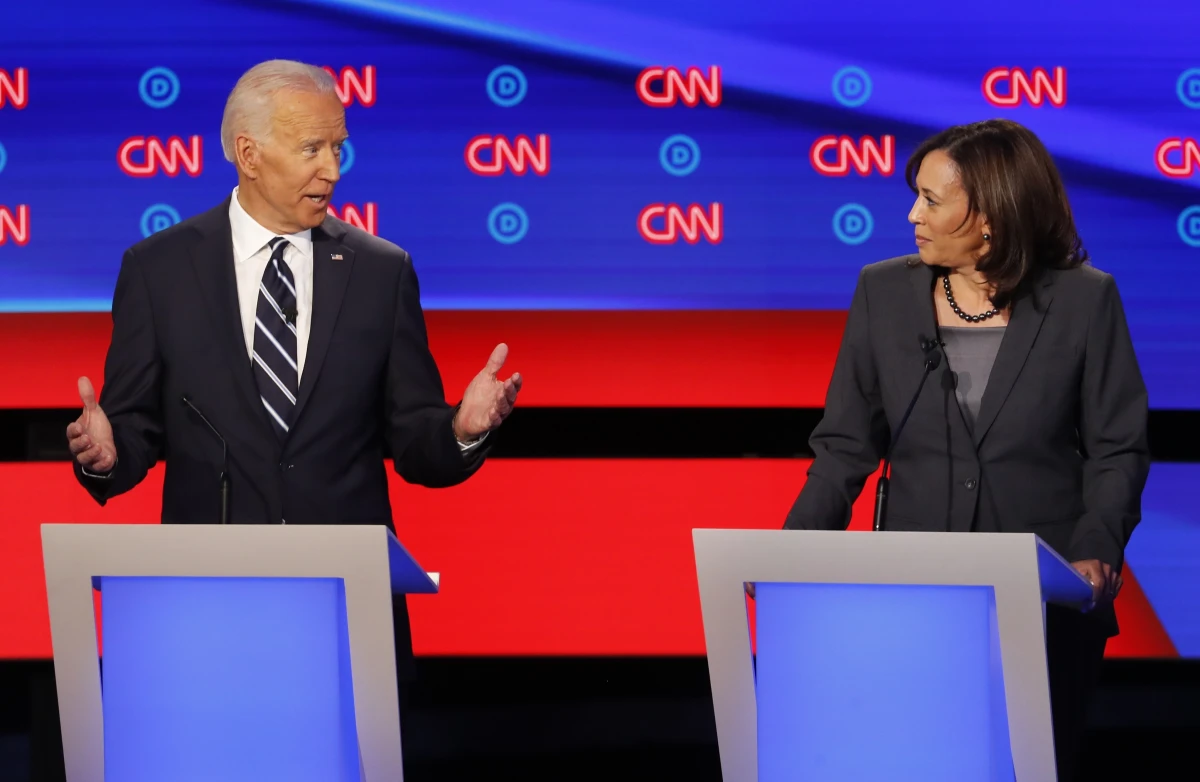
Harris honed her debate skills during her time as a courtroom prosecutor
In her runs for office since, Harris has used debates to elevate her candidacy — not necessarily because of her debate performance overall, but often because of punchy one-line retorts and quick reactions to what her opponent has said.
It’s a skill she honed during her time as a courtroom prosecutor, said Jill Habig, a former Harris adviser who helped prepare Harris for debates when she ran for Senate in 2015.
“Lots of unpredictable things happen during a trial,” she said. “You can have your materials prepared, but a witness could say anything.”
Habig said part of Harris’ success has been knowing when to pause and let a candidate speak for themselves.
“Some of that is more gut than prep,” she said.
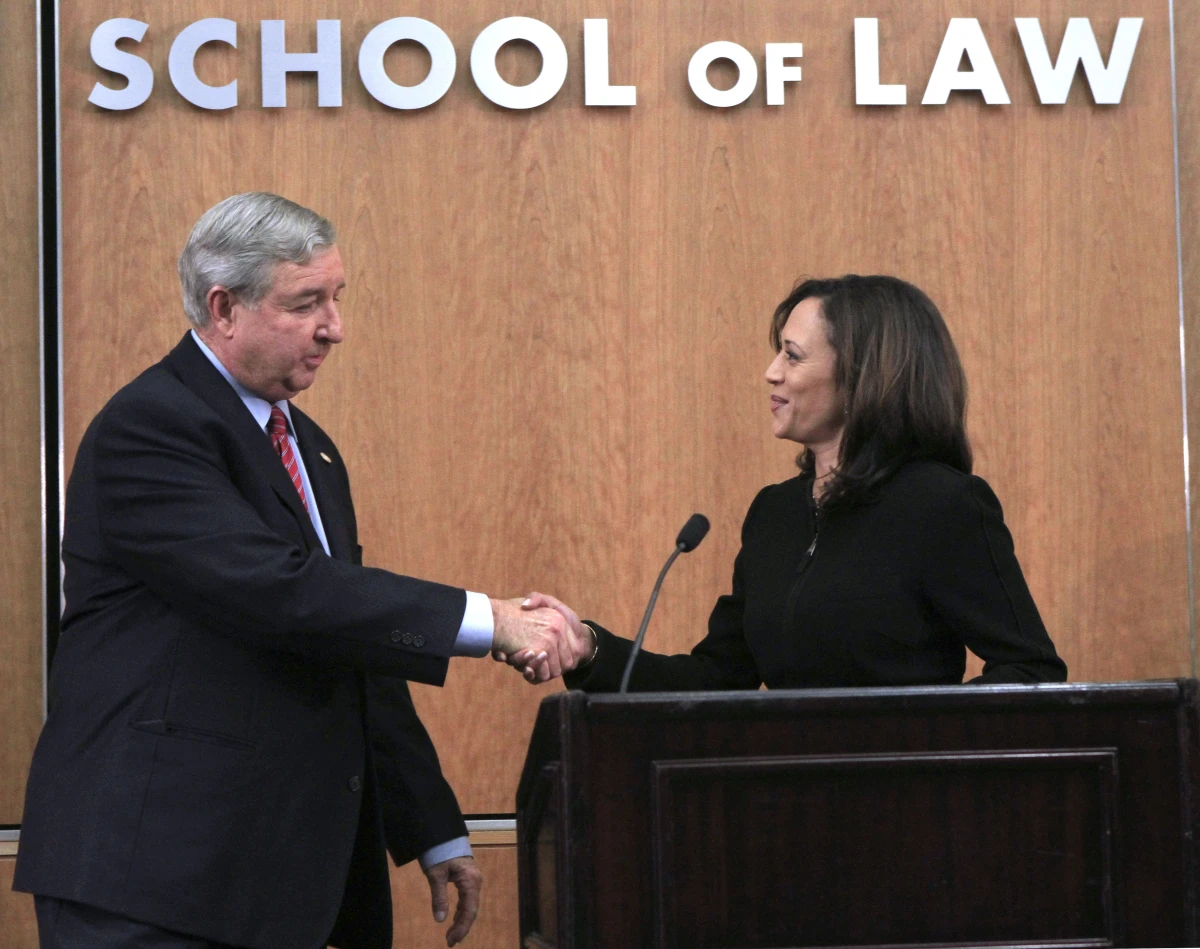
In her race for attorney general of California in 2010, Harris participated in a debate against Steve Cooley, then-district attorney of Los Angeles. Cooley was asked if he planned to rely on both his pension from being DA and the attorney general salary of about $150,000 if he were to win — what critics referred to as “double-dipping.”
“Yes I do. I earned it — 38 years of public service. I definitely earned whatever pension rights I have, and I will certainly rely upon that to supplement the very low, incredibly low salary of the state attorney general,” Cooley said.
Harris was asked if she wanted to respond. She said just four words:
“Go for it, Steve.”
The Harris campaign used the moment to paint Cooley as out of touch, at a time when many Californians were financially struggling during the great recession. She ended up winning the race by 1 percentage point.
Harris’ facial expressions say more than words could
There have also been times when Harris’ reactions in debates have been notable without her saying a word.
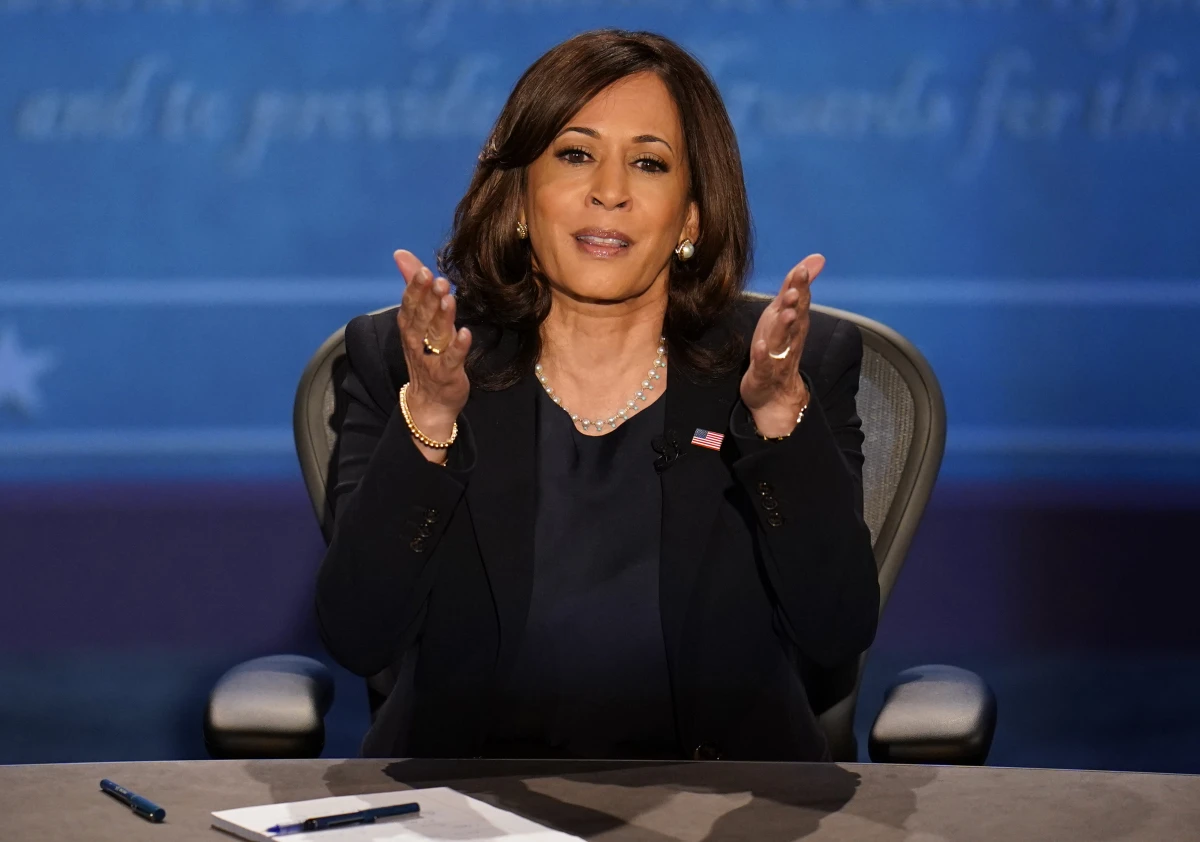
In her debate against former Vice President Mike Pence, Harris held up her hand multiple times when Pence would try to speak over her. “Mr. Vice President, I’m speaking,” she said. If it was Pence’s turn to speak, Harris was expressive, raising eyebrows at his remarks — a look that went viral on social media, and was featured in Maya Rudolph’s impression of Harris on Saturday Night Live.
When Harris ran for Senate in 2016, her primary opponent, Rep. Linda Sánchez, inexplicably dabbed at the end of her closing remarks. Harris stood in surprised silence, staring at her and at the audience.
“She just reacted in a very human way, which was kind of to look curious and look over like, ‘What is happening here?’” Habig said.
The big debate moments don’t always work
What might be most memorable from Harris’ 2019 campaign for president was her debate stage attack against Joe Biden, then a former vice president and the frontrunner in the Democratic primary.
In Miami, on the second night of the debates, Harris shared a stage with nine other contenders. She went after Biden’s record of working with senators who supported segregation.
“You also worked with them to oppose busing. And there was a little girl in California who was part of the second class to integrate her public schools. And she was bused to school every day. And that little girl was me,” Harris said.
The reaction from voters was almost immediate. The campaign raised $2 million in the aftermath of Harris’ remarks. The campaign started printing T-shirts with a picture of Harris as a girl. Events in Iowa later that week had lines out the door. Her standing in the polls doubled after the debate.
But it was short-lived. In the lead-up and aftermath of Harris’ rehearsed lines, she failed to clearly differentiate how her own stance on busing today was any different than Biden’s. The momentum she gained from the moment sputtered, and Harris dropped out of the primary before the voters started casting their ballots.
Jared Leopold, a political strategist who worked on Washington Gov. Jay Inslee’s campaign that presidential cycle, said it was clear that the exchange between Harris and Biden “was going to be a defining moment of that first debate.”
With Trump, the dynamics are different
But Leopold added that while Harris’ tactic worked in that crowded primary debate format, she may have to take an alternate approach on Tuesday against Trump.
“It’s a little bit different in a two-person debate, when you’re more likely to win the boxing match on points rather than winning it with a knockout,” he said.
Leopold, who has worked with national and local candidates on debate preparations, says debates ultimately end up being a balance.
“You might have five or 10 lines that you’ve practiced, but you’re only going to use one or two of them, and it depends on what the situation is. So you have to be an improviser in addition to reading your lines like an actor,” he said.
But there can be a downside to relying too much on stand-out lines — especially against Trump, who is known to be an unpredictable candidate.
“Sometimes spending too much time trying to manufacture those moments can backfire,” Habig said. With a candidate like Trump, she said, the contrast between him and Harris is the most important distinction, and she said Harris will do best “if she’s just herself.”
NPR’s Gus Contreras, Kai McNamee and Mallory Yu contributed to this story.
Transcript:
MARY LOUISE KELLY, HOST:
When Kamala Harris ran for president five years ago, there was a moment from her first debate that ignited enthusiasm for her campaign.
(SOUNDBITE OF ARCHIVED RECORDING)
VICE PRESIDENT KAMALA HARRIS: And that little girl was me.
KELLY: Harris was attacking her then-opponent, Joe Biden, for his record on busing and working with segregationists. It was a highlight for Harris, one of many she has had in debates over her career. NPR White House correspondent Deepa Shivaram has this look back as Harris gears up for her debate next week against former President Donald Trump.
DEEPA SHIVARAM, BYLINE: Back in 2003, Kamala Harris was running her first political race for district attorney of San Francisco. She was facing off against two other Democratic candidates who were far more well-known, and she needed a standout moment. Here’s Rebecca Prozan, who was Harris’ campaign manager at the time.
REBECCA PROZAN: We were the underdog. We were running up the middle. San Franciscans didn’t know her as well as they knew the others. And coming with the background she came from, she had to outdo both, and not just outdo them, she had to mop the floor with them.
SHIVARAM: There were at least a dozen debates in that primary, and in one of them, Harris was asked about San Francisco’s mayor, Willie Brown, who she had previously dated. But Harris pivoted. She called out both of her opponents for their attacks on each other. One of them had been caught in a massage parlor, for example. And then Harris walked to stand between the two candidates, and she said her campaign would be about the issues. The audience loved it, and it boosted Harris through her run, says Prozan.
PROZAN: These moments help with fundraising. They help with emails. They help with, like, on-the-street, like, word of mouth.
SHIVARAM: As she moved further into her California political career, Harris had more debates that helped put her on the map. When she ran for attorney general in 2009, the margins were razor thin. But then came this question for her opponent, Steve Cooley, who was the district attorney of Los Angeles.
(SOUNDBITE OF ARCHIVED RECORDING)
JACK LEONARD: Do you plan to double-dip by taking both a pension and your salary as attorney general?
STEVE COOLEY: Yes, I do. I earned it. Thirty-eight years of public service, I definitely earned whatever pension rights I have. And I will certainly rely upon that to supplement the very low – incredibly low salary that’s paid to the state attorney general.
SHIVARAM: The moderator then asked Harris if she wanted to respond. She said just four words.
(SOUNDBITE OF ARCHIVED REOCRDING)
HARRIS: Go for it, Steve.
(LAUGHTER)
SHIVARAM: Harris’ campaign took advantage of the moment and painted Cooley as out of touch. Her retort wasn’t something that was rehearsed, says former Harris adviser Jill Habig. It was the kind of gut reaction that Harris honed during her time as a courtroom prosecutor.
JILL HABIG: Lots of unpredictable things happened during a trial. You can have your materials prepared, but a witness could say anything.
SHIVARAM: Habig also says that some of Harris’ most memorable moments have come when facial expressions said more than words could; like, for example, when her opponent in her Senate primary race inexplicably dabbed at the end of her closing remarks. Harris just stared at her wide-eyed in surprise – or when she raised eyebrows at former Vice President Mike Pence, a facial expression that was viral enough for Maya Rudolph to recreate on “Saturday Night Live.”
(SOUNDBITE OF TV SHOW, “SATURDAY NIGHT LIVE”)
MAYA RUDOLPH: (As Kamala Harris) I’d like to hear the vice president’s response. And while he speaks, I’m going to smile at him like I’m in a T.J. Maxx and a white lady asked me if I work here.
(LAUGHTER)
SHIVARAM: More than just laughs, Habig says Harris’ quick wit could help in a debate against Trump, a candidate who is known to be unpredictable. But in addition to responding to her opponent on stage, Harris will still need to make her own case to voters, and she’ll have only eight weeks left to do it.
Deepa Shivaram, NPR News.