


When Annika Albrecht realized that Eric Swalwell was emerging as the front runner in a crowded race for California governor, a sinking feeling set in. The seven-term House Democrat was on track to potentially become the next leader of the most populous state in the country. The same man, Albrecht alleges, who had sexually harassed her six years ago.
“My whole body felt physically sick and I remember my head rushed, and I just was like, oh, my gosh,” Albrecht recalled in an interview. “I just felt like I had to do everything I could to just hold one man accountable.”
Albrecht, a 28-year-old Democratic strategist, decided to share her story with her friend Cheyenne Hunt, an attorney and progressive content creator. She asked Hunt if she would be open to making a video about Swalwell and his behavior towards women.
On March 31, Hunt posted that video to Instagram.
“The Democratic candidate currently leading the California governor’s race has a known history of being predatory towards women,” she said in the post. “And while it may be seen as politically expedient to sweep this under the rug, it is the wrong thing to do and we know it.”
NPR has not independently verified the allegations against Swalwell, and the California Democrat has adamantly denied them. In a statement on Tuesday, a lawyer for Swalwell called the accusations against him “false, fabricated and deeply offensive.”
Hunt’s post spread with lightning speed online, opening the floodgates for other women to share their stories. Hunt says these accounts ranged from allegations of unwanted sexual advances by Swalwell to accusations of rape.
Within days, this online conversation captured the attention of major news organizations. On Friday, some of the most serious allegations against Swalwell were published by the San Francisco Chronicle and CNN. Two days later, Swalwell dropped out of the California governor’s race. A day after that, he resigned from Congress.
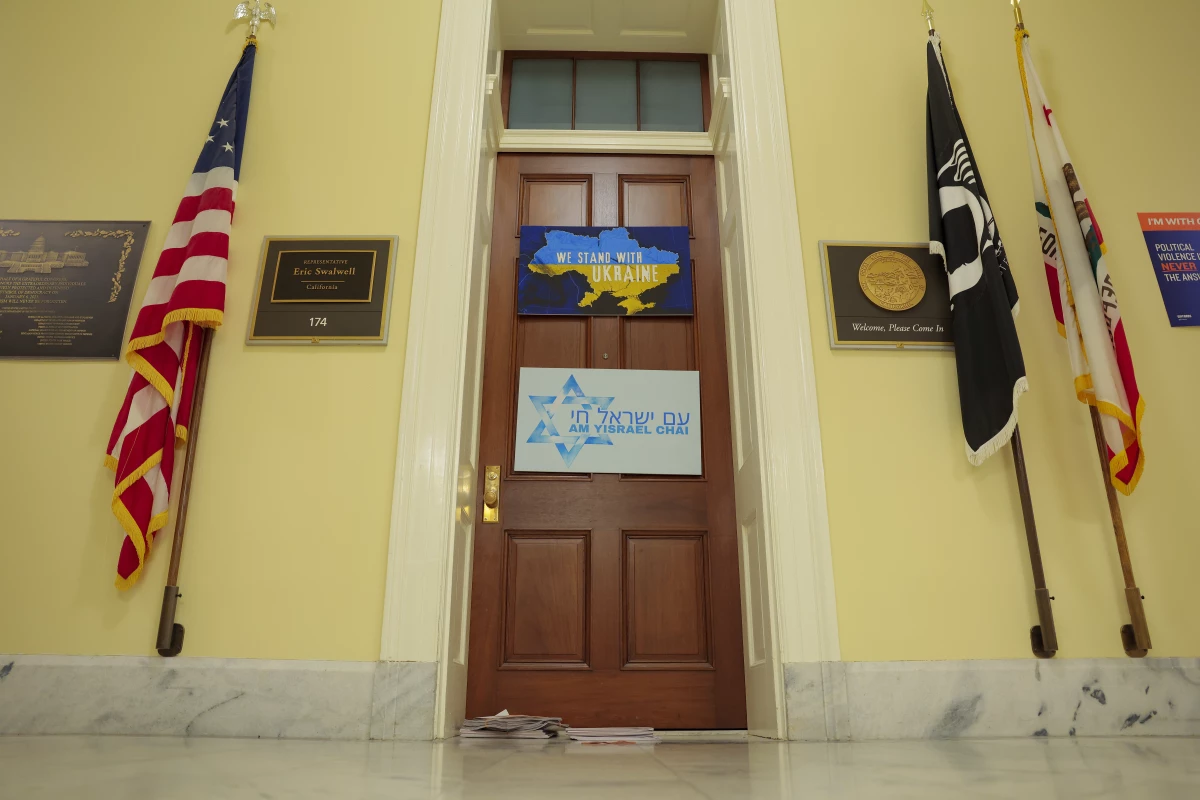
Roughly 10 years after the #MeToo movement reshaped the conversation around sexual assault, Swalwell’s fall serves as a reminder of the power imbalances that many women still see at play in one of the most consequential workplaces in the nation – the halls of Congress. And while many of Swalwell’s accusers acknowledge the strides that have been made in holding powerful figures accountable, they say his resignation would not have been possible had they not gone outside normal avenues for reporting misconduct and forming an online community for themselves.
“It was really three girls in a group chat that were figuring out how we were going to bring this story forward, consolidate a group of women together, and get their story told the right way,” said Hunt, explaining how she and Albrecht teamed up with Arielle Fodor, another creator who had also been posting and receiving messages about Swalwell.
“It reached a breaking point”
Albrecht’s experience with Swalwell dates back to a college field trip in 2019 to Washington, D.C., where she and a small group of students met with the then-congressman.
Albrecht says that after their meeting, Swalwell suggested they all start a group chat to stay in touch.
“He asked to create that group chat so that he could use us as a resource in the future. If you ever wanted to talk to more young voters or young people that care about, you know, the issues,” she said.
Soon after, the tone of the conversation began to shift. Albrecht said that early on, Swalwell offered to give her career advice, but then later added her on Snapchat, and started sending her inappropriate messages.
“It reached a breaking point where he invited me to a hotel and kept pressuring me to go,” she said. “I never responded ever again. I just feel so, so lucky that I didn’t go to that hotel.”
NPR is not able to view the messages, because messages on Snapchat automatically delete once they are opened. But other women have come forward to describe similar stories about Swalwell, and at least two women have accused him of assaulting them after inviting them to a hotel room.
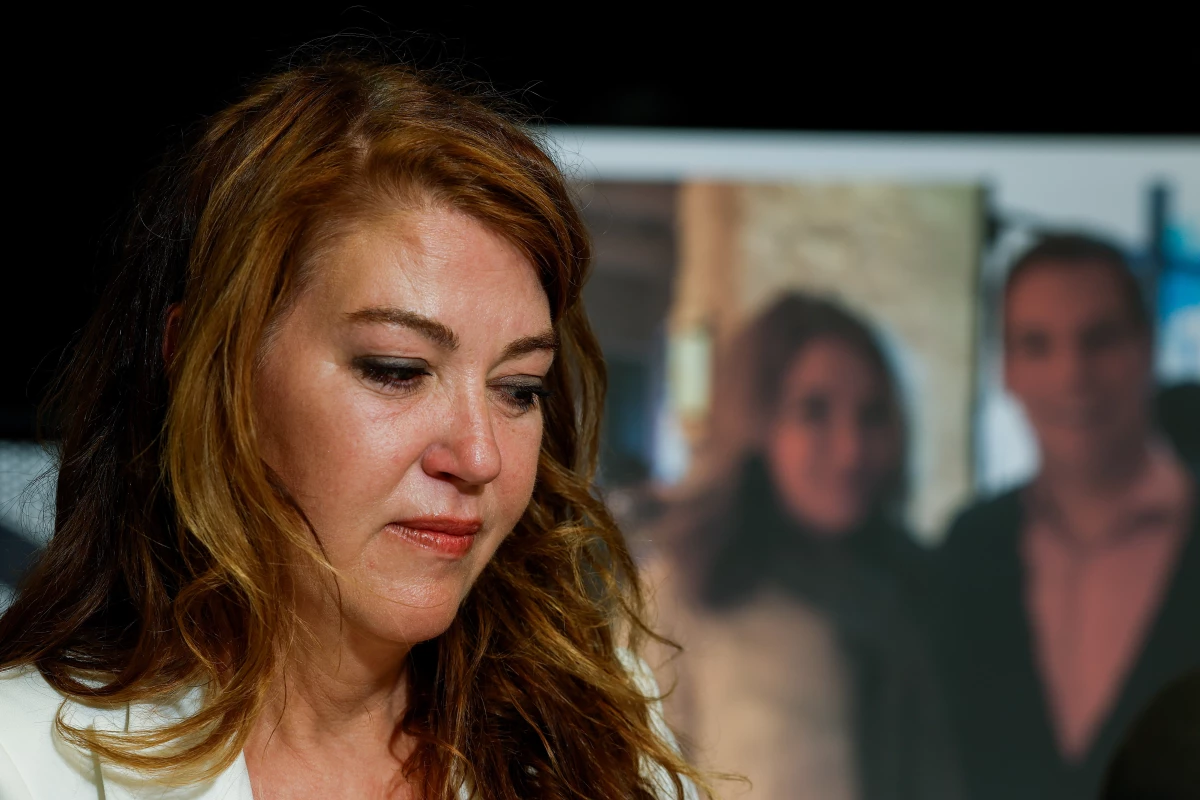
That includes Lonna Drewes, who at a news conference in Beverly Hills, Calif., on Tuesday, said that in 2018 Swalwell drugged her and then sexually assaulted her in a West Hollywood hotel. Swalwell’s attorney did not directly address Drewes’ allegations in a statement issued Tuesday, but said he would “fight these despicable and baseless accusations with the same tenacity, courage, and conviction that has defined the Congressman’s public service.”
A reckoning on Capitol Hill
In the wake of the Swalwell allegations, leaders in Congress have acknowledged that more can be done to better protect the more than 10,000 staff members who work on Capitol Hill.
In addition to Swalwell’s resignation this week, Rep. Tony Gonzales, R-Texas, also resigned, after admitting to a sexual relationship with a staffer who later died by suicide.
“There are better ways of ensuring that people in vulnerable situations … have access to a way in which they can get recourse and relief, for sure,” said Senate Majority Leader John Thune, R-S.D., on Tuesday. “And if there is a better way to do that, I’m certainly open to it.”
“We have to be vigilant, vigilant, vigilant against any kind of harassment, whether it be sexual or in any other way,” said Senate Minority Leader Chuck Schumer, D-N.Y.
The back-to-back resignations have added new urgency to a long-running conversation in Congress about the conduct of members, and an atmosphere where “open secrets” can persist about behavior that wouldn’t be tolerated in other professional contexts.
“They turn their eyes away. They feel no responsibility to call out that behavior. And since it’s only rumor — they can’t actually prove it — everyone sort of minds their own business because it’s convenient to mind your own business,” said Jackie Speier, who represented California’s 14th district in Congress from 2008 until 2023, in an interview with All Things Considered. “And it’s not until there’s an ethics investigation – and, you know, to get an ethics investigation is typically something that takes a long period of time.”
Before leaving Congress, Speier pushed for reforms to increase accountability. The House now requires members to attend annual trainings on sexual harassment and discrimination, and the chamber also passed legislation to speed the process for handling harassment complaints. The House Code of Conduct also forbids members from having sexual relationships with staff.
Still, Hunt believes there is more that needs to be done.
“I think we had a MeToo movement, and then we had the backlash and the backsliding that came from that. I think that it’s clear that we need to put another stake in the ground now and that the next generation of women is going to have to take up this fight,” she said.
That includes addressing what she described as a toxic power imbalance in Congress that is “ripe for exploitation.”
“It makes it incredibly hard to speak up and speak out in a unique way,” she said. “I think that what we have done is hopefully kind of blown the door open a little bit to make it clear that we don’t have to put up with this.”
Jason Breslow contributed reporting
Transcript:
AILSA CHANG, HOST:
This week, Democrat Eric Swalwell dropped his bid for California governor and then resigned from Congress over allegations of sexual assault and harassment. It was a lightning-fast political demise that transpired over just a matter of days. NPR political reporter Elena Moore has been looking into how it all happened and joins us now. Hi, Elena.
ELENA MOORE, BYLINE: Hey there.
CHANG: OK, so briefly walk us through this political fall from grace for Swalwell.
MOORE: Yeah. Last Friday, the San Francisco Chronicle and CNN published reporting from multiple women who accused Swalwell of a range of pretty serious allegations, from making nonconsensual sexual advances to rape. NPR has not independently verified those claims, and Swalwell has adamantly denied them. In a statement yesterday, a lawyer for Swalwell called the accusations false, fabricated and deeply offensive. But, Ailsa, these allegations quickly went viral, and the political blowback ensued from there.
CHANG: I know. It was breathtaking. Tell us more about that. Like, how did all of this happen so quickly?
MOORE: Yeah. It’s pretty remarkable. I mean, had this gone through the typical route in Congress with an investigation by the Ethics Committee, that’s a process that can easily take months or longer.
CHANG: Totally.
MOORE: Here, it all happened in a matter of weeks – in part because of the uniqueness of the movement that brought the allegations forward. It was started with a few left-leaning content creators posting on their platforms about Swalwell, and these posts prompted dozens of women to send them messages about their own experiences with the congressman.
CHANG: And how do those organizers describe the way this came together?
MOORE: Yeah. Cheyenne Hunt is one of the creators who led this effort. She decided to make a video at the end of March after Swalwell after a friend of hers told her about an upsetting experience that she had had with the congressman and asked her to make a video. Soon after, the two started working with another creator who had been getting messages from other women for months, and it snowballed from there. I spoke to Hunt about that.
CHEYENNE HUNT: It was really three girls in a group chat that were figuring out how we were going to bring this story forward, consolidate a group of women together and get their story told the right way.
CHANG: Wow. What can you tell us about that friend who first approached Hunt?
MOORE: Yeah, her name is Annika Albrecht. She’s a Democratic political strategist, and she told NPR that she met Swalwell on a college field trip to D.C. She says he offered to stay in touch and give her career advice, but then he added her on Snapchat, where the tone of the conversation shifted.
ANNIKA ALBRECHT: I was responding very platonically to his messages, and then they started to increase in no longer questionable. It became sexual harassment until it reached a breaking point where he invited me to a hotel and kept pressuring me to go to that hotel.
MOORE: And that’s when she stopped responding. NPR is unable to verify those claims, given that Snapchat messages disappear after they’re opened. But other women have come forward to describe similar stories about Swalwell, and at least two women have accused him of assaulting them after inviting them to a hotel room.
CHANG: Right. Well, Elena, what might these experiences tell us about the dynamic in Congress when it comes to holding lawmakers accountable, you think?
MOORE: Well, it’s been nearly a decade since the #MeToo movement, and I think the response we’ve seen about Swalwell fits in the context there but may also indicate a new chapter of that fight. I talked to Hunt about that. Here’s how she put it.
HUNT: I think we had a #MeToo movement, and then we had the backlash and the backsliding that came from that. And I think that it’s clear that we need to put another stake in the ground now and that the next generation of women is going to have to take up this fight.
CHANG: So where do these women go from here, you think?
MOORE: They say this is far from over and argue there’s a toxic power imbalance on Capital Hill, one that Hunt called ripe for exploitation, where staffers have big dreams and want to advance their careers, and lawmakers have this disproportionate amount of influence. So fixing that culture is the goal, but they say it starts with making women more comfortable speaking out.
CHANG: That is NPR’s Elena Moore. Thank you, Elena.
MOORE: Thanks.
