


Note: Many of the people in this story requested we not use their full names. They all said they feared retaliation from ICE.
On the morning of January 17 in southern Minneapolis, something very ordinary happened: a 12-year-old girl got her period for the first time.
Everything that happened after that was out of the ordinary.
For the last two weeks, federal immigration agents have been on the streets of Minneapolis, conducting one of the largest crackdowns in the Trump administration’s mass deportation campaign. The Department of Homeland Security says it is getting criminals off the street; many immigrants and people of color who spoke to NPR say they are terrified of going outside.
That’s howthe simple act of obtaining a menstrual pad for a pre-teen’s first period turned into an underground operation involving a faith leader, multiple neighbors and a clandestine network of Minneapolis volunteers.
When E. (her first initial) woke up that morning and noticed she had her period, like many girls, she freaked out a little.
But unlike many girls, E. has been hiding in her house for the last few weeks.
She hasn’t even been going to school.
E.’s family is undocumented, and her neighborhood has been heavily targeted for immigration raids.
She thought about walking to the corner store to get menstrual pads, but says she was worried about being intercepted by Immigration and Customs Enforcement agents. She called her dad at work.
“I told her, ‘do not go out into the street. You have to stay inside,'” E.’s father said.
He’s a single father, and he told NPR that over the last few weeks he’s been so afraid of being picked up by ICE that he isn’t going outside unless a volunteer can take him where he needs to go. This is how he gets to work. It’s why he couldn’t rush home to help his daughter when she called him.
Instead, he called his pastor – Hierald Osorto, who says he’s increasingly been dealing with these sorts of crises.
“These things that we take for granted, you know, normal things that happen in people’s lives and with their bodies — you have to think about all these additional ways to provide support and care.”

When Pastor Hierald, as he’s referred to by his congregants, hung up with E.’s dad, he immediately called Lizete, a community leader within the church.
She says E.’s dad sounded scared.
“He said, ‘Lizete, help me please. My daughter is alone in the house. She’s bleeding a lot.'”
Lizete told him to stay calm — but she herself wasn’t. She was too nervous to venture out into the streets on her own.
“I feel so trapped right now. I feel tied down,” she told NPR. “Any other day, I would have grabbed some pads or stopped by a pharmacy and gone myself.”

So Lizete called a neighbor, Ade.
“The phone rang. It was Lizete. She said there was a girl, who was scared and crying,” recalls Ade.
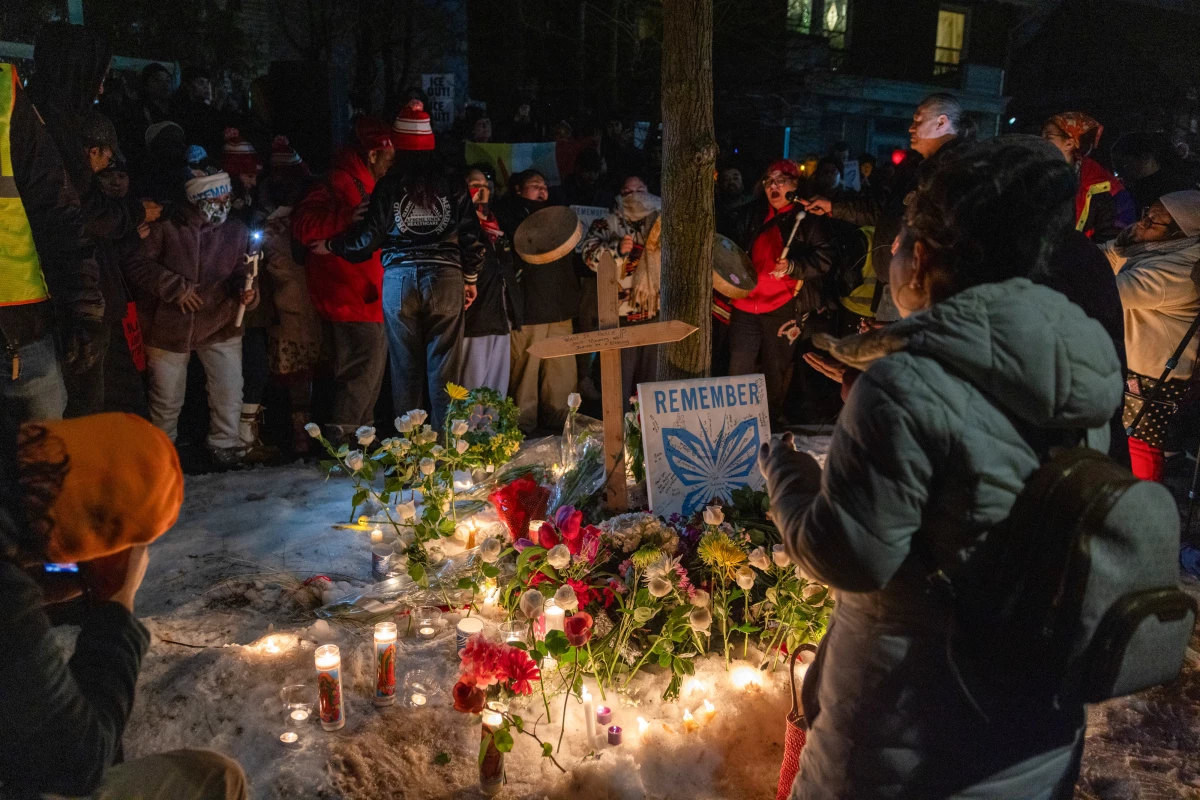
Ade, too, wanted to help. But since the killing of Renee Macklin Good by an ICE agent two weeks ago, she’s been trying to stay inside as much as possible.
So Ade called her daughter Fanny.
Fanny is a U.S. citizen, but she still worries about driving around Minneapolis and being racially profiled. “I am Hispanic,” she says. “They’re still going to want to take me.”

The Department of Homeland Security denies allegations of racial profiling.
Immigrants we spoke to in Minneapolis say this is a calculation they’ve been making every day — sometimes multiple times a day: is it safe to go outside? To go buy groceries? To go to church? To see a doctor?
Often, they decide it’s not.
Because of this, there’s a noticeable lack of traffic — cars, pedestrians — even people on buses — in certain immigrant neighborhoods.
But there are some people outside: volunteers standing guard on street corners looking out for agents so they can alert their neighbors with whistles, and secret chat threads.
NPR spoke to one watcher, a 69-year-old woman who asked to be referred to by her initials: J.B. She was standing in the blustering wind.
“To be honest, I’m scared,” she said.
Like many volunteers NPR spoke to, J.B. said that fear has led her to become more resolute.
“I don’t care if it’s 20 below. We’ll dress for it. We’ll be here. This is way more important than a little chill air,” she said.
Ade and Fanny say those street watchers help them feel safer. So they decided to do it.
They grabbed some pads from their house, and together, carefully, made their way to E.
“We drove in through the back alley,” Ade recalls. “It felt safer than parking out front, where there’s been ICE agents.”
E. let them in through the back door.
And that’s how, after several hours, five people and a citywide network of volunteers got a 12-year-old girl her first menstrual pad.
The next day, E. spoke to a nurse at an underground clinic for immigrants who are too scared to go to the doctor these days.
The nurse explained how periods work — what to expect and how to manage symptoms.
Lizete, the community leader who coordinated the whole operation was at the clinic.
E. asked Lizete, “Am I sick?”
Lizete shook her head. “This isn’t a disease,” she told her. “You aren’t sick. It will happen once a month. It’s totally normal.”
Lizete reminded her that even though it’s hard to talk to her dad about this stuff, E. has an army of women behind her.
“We are made of a strong material,” Lizete said. “Even if we are drowning, we will find a way to stay afloat and get to the shore.”
Transcript:
SCOTT DETROW, HOST:
For the last two weeks, federal immigration agents have been on the streets of Minneapolis. The Department of Homeland Security says there have been thousands of arrests, that they’re getting criminals off the street. Some people in the city have told NPR it’s created a sense of terror. NPR’s Jasmine Garsd brings us the story of one 12-year-old girl who desperately needed to run one errand and how it turned into a complex underground operation.
JASMINE GARSD, BYLINE: On the morning of January 17 in southern Minneapolis, something very ordinary happened. A 12-year-old girl got her period for the first time. Everything that happened after that was out of the ordinary. We’re calling this girl E., her first initial. Her family asked for this because they’re undocumented, and their neighborhood has been the target of immigration raids. In fact, everyone in this story requested anonymity out of fear of retaliation from ICE.
E: (Speaking Spanish).
GARSD: E. woke up that morning. She’d noticed she had her period. Like many girls, she freaked out a little. But unlike many girls, E. had been hiding in her house for the last few weeks. She hadn’t even been going to school. She thought about going to get menstrual pads. She called her dad at work. He’s a single father. He told her no.
UNIDENTIFIED FATHER: (Speaking Spanish).
GARSD: Do not go out into the streets, he told her. You have to stay inside. He himself isn’t going outside unless a volunteer is driving him. He feels it makes him less likely to be stopped by ICE agents. He’s not the only one. A lot of immigrants are relying on their neighbors to drive them around the city. So her dad couldn’t just rush back home. This launched a community effort involving a complex network of local volunteers. First, the dad called his pastor. The pastor called a church community leader, a woman. Her name is Lisette. She says E.’s dad was scared.
LISETTE: (Speaking Spanish).
GARSD: “He said to me, Lisette, help me, please. My daughter is bleeding a lot. She’s alone in the house.” Lisette reassured him, told him to stay calm.
LISETTE: (Speaking Spanish).
GARSD: But she herself was too nervous to go out into the streets. So Lisette called a neighbor whose name is Ade. Here she is.
ADE: (Speaking Spanish).
GARSD: Over the phone, Lisette told her, I need a favor. There’s a girl. She’s scared. She’s crying. She doesn’t know what to do. Ade paused. She wanted to help. Any other time she says she would have gone out and done it. But since the killing of Renee Macklin Good by an ICE agent, she’s been trying to stay inside. So she called her daughter. Enter Fanny. Fanny is a U.S. citizen, but she too worries about driving around and being racially profiled.
FANNY: Even if you’re, like, a citizen, just because I am Hispanic, they’re still going to want to take me.
GARSD: Immigrants we spoke to in Minneapolis say they’ve been making this calculation for weeks – whether or not it’s safe to go out. And often, they decide it’s not. In response, there’s been massive community mobilization. On a lot of street corners, you’ll see neighbors standing guard. They’re looking out for agents so they can alert their neighbors. We spoke to one watcher who asked to be called by her initials, J.B. J.B. is 69 years old. She was standing in the blustering wind.
JB: I don’t care if it’s 20 below. I don’t care. We’ll dress for it. We’ll be here. This is way more important than a little chill air.
GARSD: Ade and Fanny say the street watchers make them feel safer. So they decided to do it, to drive to E.’s house with some pads.
ADE: (Speaking Spanish).
GARSD: Ade says they parked in the back alley. It felt too risky to park out front. E. let them in through the back door. And that’s how, several hours later, five people in a city-wide network of volunteers got a 12-year-old girl her first menstrual pad. Here’s E. the next day, talking to a nurse.
UNIDENTIFIED NURSE: How are you feeling?
E: (Speaking Spanish).
GARSD: “My tummy hurts,” she told the nurse. This is an underground clinic for immigrants who are too scared to go to the doctor. The nurse comforted her.
UNIDENTIFIED NURSE: (Speaking Spanish), OK? So it can be, like, really scary when you get your period for the first time, but it’s very normal.
GARSD: E. doesn’t speak fluent English yet, but Lisette, the community leader who coordinated the whole operation, was there. She told her, this is going to happen to you once a month. And then she reminded her, you have an army of women behind you.
LISETTE: (Speaking Spanish).
GARSD: She told E., “We are made of a strong material. Even if we are drowning, we will find a way to stay afloat and get to the shore.” Jasmine Garsd, NPR News, Minneapolis.
DETROW: And earlier today, E. was relocated to what her pastor describes as a safe house due to an increase in ICE activity in her neighborhood.
