


The 2026 Pulitzer Prizes were announced Monday afternoon, celebrating two dozen winners across journalism and the arts.
Author Daniel Kraus won in the fiction category for his book Angel Down, a story of World War I soldiers who find a fallen angel amongst the dead in No Man’s Land – a tale Kraus relates entirely within one sentence. Among other winners in the books categories were historian Jill Lepore for We the People: A History of the U.S. Constitution and Brian Goldstone for There Is No Place for Us: Working and Homeless in America.
The Pulitzer board gave out two prizes in the local reporting category, a nod to the dynamism of both local journalism and relatively new newsrooms. One award was given to reporters from The Connecticut Mirror, a local news website, and reporters from ProPublica, who were recognized for their series on unscrupulous car-towing companies. The other was given to the staff of The Chicago Tribune for their chronicles of ICE sweeps of their city.
The audio journalism winner was the staff of the podcast Pablo Torre Finds Out, which investigated how the Los Angeles Clippers basketball organization seemingly ducked the NBA salary cap rule by paying its star forward, Kawhi Leonard, extra money via an endorsement deal. (The NBA recently said it is still investigating. The team and its owner, Steve Ballmer, have denied the allegations, while Leonard has said of the reporting that he didn’t “think it was accurate” and noted that the company he was endorsing has since folded.)
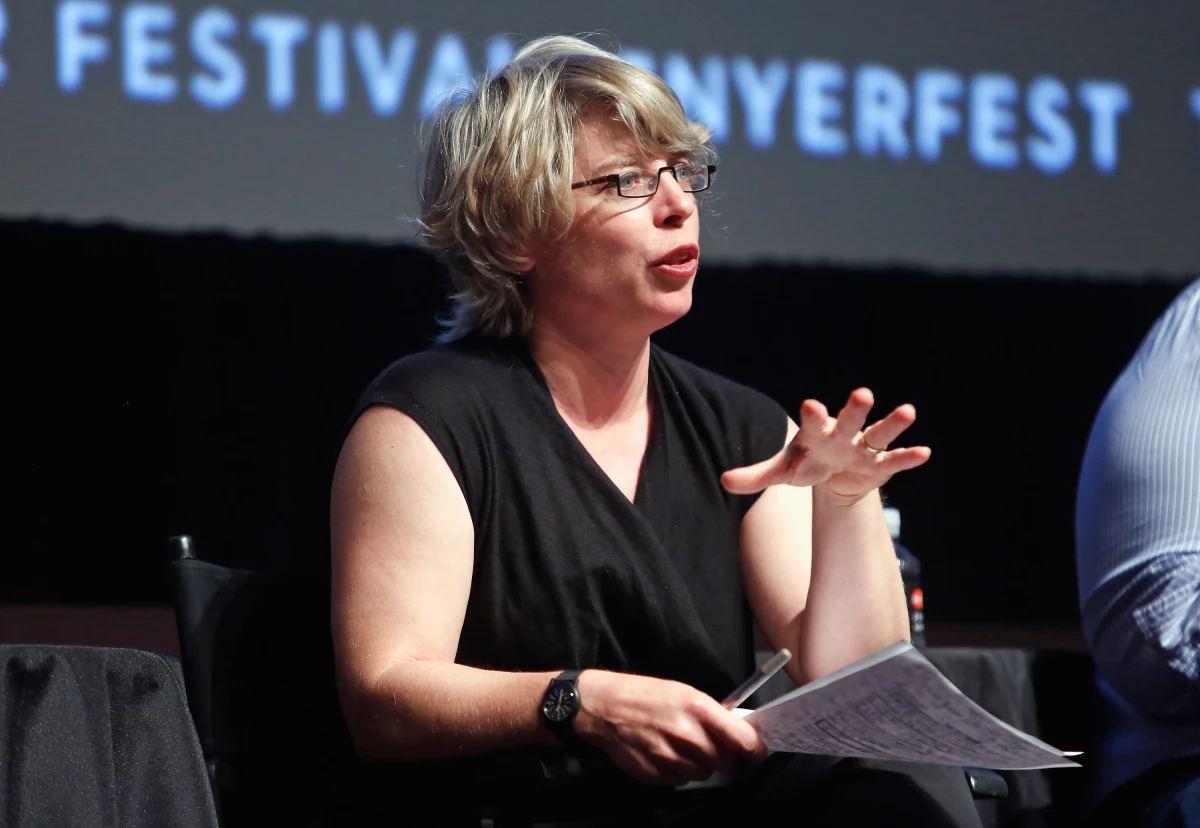
The board also gave a special citation to Miami Herald journalist Julie K. Brown for her 2017 and 2018 work investigating Jeffrey Epstein and his systematic abuse of young women and the network that protected him – crimes whose repercussions are still very much part of today’s discourse.
As in recent years, the 2026 awards arrive under some amount of political pressure: President Trump has an active lawsuit against the Pulitzer Prize board, a suit he filed in 2022 over its decision to award reporting by The New York Times and The Washington Post about alleged collusion between the 2016 Trump presidential campaign and Russia. That lawsuit is continuing.
In her remarks introducing the awards, Pulitzer administrator Marjorie Miller enumerated widespread and multifaceted pressures – both political and economic – on both journalism and creative work, and then added: “The fields are robust, thanks to so many dogged and talented people.”
Prizes in Journalism
Breaking News Reporting
“Awarded to the staff of The Minnesota Star Tribune for its coverage of a shooting at a back-to-school Mass at a Catholic school that left two children dead and 17 wounded, powerful stories marked by thoroughness and compassion.”
Investigative Reporting
“Awarded to the staff of The New York Times for deeply reported stories that exposed how President Trump has shattered constraints on conflicts of interest and exploited the moneymaking opportunities that come with power, enriching his family and allies.”
Explanatory Reporting
“Awarded to Susie Neilson, Megan Fan Munce and Sara DiNatale of The San Francisco Chronicle for their series ‘Burned,’ which showed how insurance companies using algorithmic tools have failed Californians who lost their homes to fire by systematically undervaluing their properties, denying claims and making it impossible for them to rebuild.”
Beat Reporting
“Awarded to Jeff Horwitz and Engen Tham of Reuters for inventive and revelatory reporting on Meta that detailed the technology company’s willingness to expose users, including children, to scams and AI manipulation.”
Local Reporting
“Awarded to Dave Altimari and Ginny Monk of The Connecticut Mirror and Sophie Chou and Haru Coryne of ProPublica for an impressive series exposing how the state’s unique towing laws favored unscrupulous companies that overcharged residents, prompting swift and meaningful consumer protections.”
“Awarded to the staff of The Chicago Tribune for its powerful coverage of the Trump administration’s militarized immigration sweep of the city that described in vivid, muscular prose how the siege-like incursion of ICE agents unified Chicagoans in resistance. (Moved by the Board from the Public Service category, where it was originally entered and nominated.)
National Reporting
“Awarded to the staff of Reuters, notably Ned Parker, Linda So, Peter Eisler and Mike Spector, for documenting how the president used the U.S. government and the influence of his supporters to expand executive power and exact vengeance on his foes.”
International Reporting
“Awarded to Dake Kang, Garance Burke, Byron Tau, Aniruddha Ghosal and Yael Grauer, contributor, of Associated Press, for an astonishing global investigation into state-of-the-art tools of mass surveillance, created in Silicon Valley, advanced in China and spreading worldwide before returning to America for secret new uses by the U.S. Border Patrol.”
Feature Writing
“Awarded to Aaron Parsley of Texas Monthly for his extraordinary personal account of survival and loss written days after the historic Central Texas floods that tore the writer’s house out from under him and his family, taking the life of his nephew.”
Criticism
“Awarded to Mark Lamster of The Dallas Morning News for his rigorous and passionate architecture criticism, using wit and expertise to amplify his opinions and advocate for city residents.”
Opinion Writing
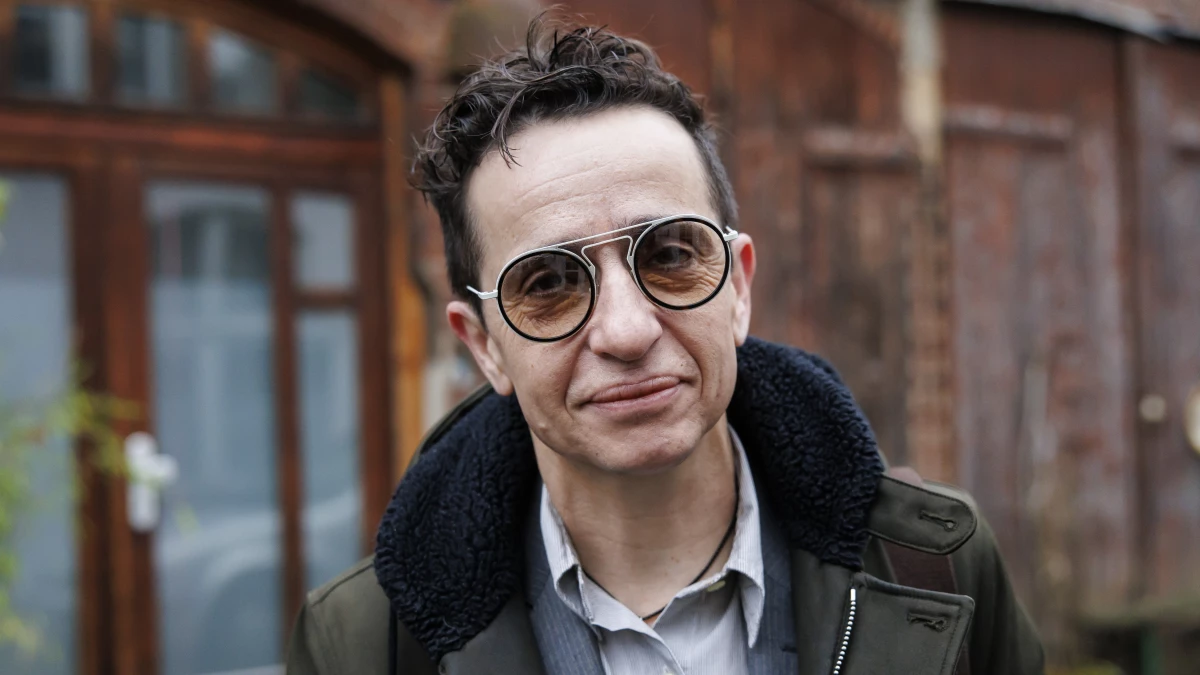
“Awarded to M. Gessen of The New York Times for an illuminating collection of reported essays on rising authoritarian regimes that draw on history and personal experience to probe timely themes of oppression, belonging and exile.”
Illustrated Reporting and Commentary
“Awarded to Anand RK and Suparna Sharma, contributors, and Natalie Obiko Pearson of Bloomberg for ‘trAPPed,’ a riveting account of a neurologist in India held under ‘digital arrest’ by her phone, reporting that uses visuals and words to cast light on the growing global challenges of surveillance and digital scams.”
Breaking News Photography
“Awarded to Saher Alghorra, contributor, The New York Times, for his haunting, sensitive series showing the devastation and starvation in Gaza resulting from the war with Israel.”
Feature Photography
“Awarded to Jahi Chikwendiu of The Washington Post for a heart-wrenching and achingly beautiful photo essay on a young family welcoming the birth of their first child as the father is slowly dying from cancer.”
Audio Reporting
“Awarded to the staff of Pablo Torre Finds Out for a pioneering and entertaining form of live podcast journalism that investigated how the Los Angeles Clippers seemingly evaded the NBA’s salary cap rules by funneling money to a star player through an environmental startup.”
Public Service
“Awarded to The Washington Post for piercing the veil of secrecy around the Trump administration’s chaotic overhaul of federal agencies and chronicling in rich detail the human impacts of the cuts and the consequences for the country.”
Special Citation
“A special citation is awarded to Miami Herald reporter Julie K. Brown for her groundbreaking reporting in 2017 and 2018 that exposed Jeffrey Epstein’s systematic abuse of young women, the justice system that protected him, and, over time, his powerful network of associates and enablers. Her Perversion of Justice series, published nearly a decade ago, revealed how prosecutors shielded Epstein from federal sex trafficking charges when he was first accused of abusing young women. She went on to document and give voice to the scores of victims who had been groomed and abused by him and others in his circle. Her work, and the release of the government’s Epstein files, continue to reverberate around the world.
Letters and Drama Prizes
Drama
“Awarded to Liberation, by Bess Wohl, a striking blend of comedy and sincerity that explores the legacy of the consciousness-raising feminist groups of the 1970s, using the story of the playwright’s mother to demonstrate how the movement grew out of conversation, and that anyone experiencing the play has joined the discussion.”
History
“Awarded to We the People: A History of the U.S. Constitution, by Jill Lepore (Liveright), a lively and engaging narrative that investigates why the Constitution is so difficult to amend, including a review of noteworthy failed amendments proposed by marginalized groups.”
Biography
“Awarded to Pride and Pleasure: The Schuyler Sisters in an Age of Revolution, by Amanda Vaill (Farrar, Straus and Giroux), a lively and detailed biography of two daughters of wealthy and influential Dutch landowners who colored our nation’s history, using present tense to tell their story and past tense to chronicle the dramatic sweep of the American Revolution.”
Memoir or Autobiography

“Awarded to Things in Nature Merely Grow, by Yiyun Li (Farrar, Straus and Giroux), a writer’s deeply moving and revelatory account of losing her younger son to suicide a little more than six years after her older son died in the same manner, an austere and defiant memoir of acceptance that focuses on facts, language and the persistence of life.”
Poetry
“Awarded to Ars Poeticas, by Juliana Spahr (Wesleyan University Press), a collection in which the poet takes stock of her personal disillusionment, which she uses to interrogate her relationship to her art form, community and politics
General Nonfiction
“Awarded to There Is No Place for Us: Working and Homeless in America, by Brian Goldstone (Crown), a feat of reportage, analysis and storytelling focusing on the issues that have created a national crisis of family homelessness among the so-called working poor.”
Music
“Awarded to Picaflor: A Future Myth, by Gabriela Lena Frank (G. Schirmer, Inc.), premiered on March 13, 2025 at Marian Anderson Hall, Philadelphia, a modern symphonic work informed by the composer’s personal experiences with California wildfires and Andean legend, ten powerful movements that follow a hummingbird through its attempts to escape cataclysms, a contemplation of the fragile future.”
Fiction

“Awarded to Angel Down, by Daniel Kraus (Atria Books), a breathless novel of World War I, a stylistic tour-de-force that blends such genres as allegory, magical realism and science fiction into a cohesive whole, told in a single sentence.”
