The Department of Justice is pushing for Google to spin off its Chrome browser. In August, a landmark ruling found Google had violated antitrust laws by creating an illegal monopoly. Federal prosecutors are now asking a judge to order a separation that could reshape how people search the internet.
The proposed breakup, outlined in a 23-page document filed late Wednesday, calls for Google to sell its industry-leading Chrome browser. It also seeks to impose restrictions to prevent Google’s Android smartphone software from favoring its search engine.
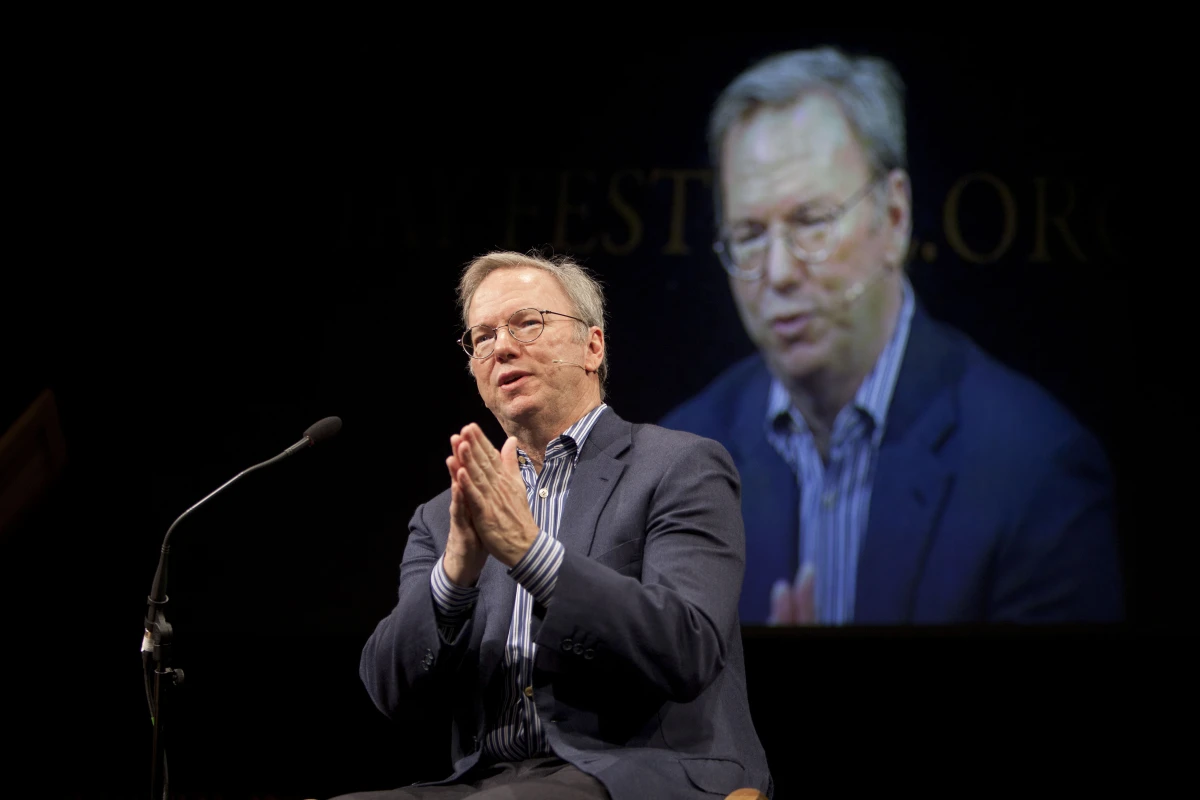
On Friday, NPR’s Michel Martin spoke with former Google CEO and Chairman Eric Schmidt about the Justice Department’s recommendations.
“This solution doesn’t work, harms consumers and it’s just a bad idea,” Schmidt said.
He also discussed his new book, Genesis: Artificial Intelligence, Hope, and the Human Spirit, co-authored with Craig Mundie and the late Henry Kissinger.
This interview has been edited for length and clarity.
Michel Martin: Google says the Justice Department’s proposal to sell Chrome is staggering and argues it would harm user privacy and stifle innovation. In addition to a legal appeal, what could be Google’s options in response to what the government wants?
Eric Schmidt: I think this is a terrible idea from the government. To take an integrated system and break it into pieces and think that somehow that creates choices is not to understand how these products work. Customers want an integrated experience. This is true for Chrome with the ad systems in search. It’s also true, for example, with Apple and the App Store, which has also been proposed over time to break it up. If you’re going to try to deal with the problems of these large companies, my answer is find ways to get them to be more competitive. The competition that you’re seeing now between the players, remember it’s all about A.I., is the most brutal competition I’ve ever seen. This is a case that’s rooted in some older model of competition. I just don’t think it’s correct.
Martin: How could this change the way people browse the web? I mean, Google is almost a synonym for browsing the web.
Schmidt: Chrome is by far the safest and most secure browser to use, and so if it’s unbundled in some way, customers will just re-bundle it. And furthermore, the networks will essentially propose Google plus Chrome together. And from an economic perspective, let’s imagine that you had a separate company called Chrome. That Chrome company would highly be integrated with Google’s ad system, which is one of the things that the government, in my view, has falsely been complaining about.
Martin: So the Justice Department also wants Google to stop paying out billions to device vendors like Apple so that Google is the default search engine on smartphones and tablets. And also, I don’t know, cars, actually. So, I mean, in fairness, though, could that not improve competition and drive more innovation as the government says it intends?
Schmidt: But now what you have is you have the government getting into a very complicated deal between two large companies. Having been a little bit part of that deal, it’s incredibly complicated. It took a year to come to. It was fairly negotiated. There must be some reason why the two companies are together. And I can tell you it’s because Google has the best browser and search quality, and Apple thinks it certainly has the best product. And so the two of them, together, who are natural competitors, have come up with this deal. It doesn’t make sense to force these kinds of artificial structures in pursuit of an imprecise goal. So the way to say it is, if it’s something specific that you can identify and you can act legally, then do it. The problem with these things is the goal is not specified and so you don’t know if it’s successful or not.
Martin: I just want to mention federal prosecutors have also asked the judge to let websites opt out of having AI models gobble up their data. So that’s a good reason to pivot to your book and the future of AI. It’s called Genesis. Your co-authors are Microsoft’s former chief research and strategy officer, Craig Mundie and the late diplomat Henry Kissinger. What do you see as the biggest concern out of all that’s been said and written about AI.
Schmidt: So first on the question about AI. AI use of content, of course, they should be able to opt out from scraping their data. That’s also true across the web. Dr Kissinger, Craig Mundie and I wrote this book because we think that everything is happening all at once, and we don’t think the societies, that is, the governments, the people, the human systems, the sort of culture of countries are quite ready for the arrival of stuff, because it’s happening so extremely quickly. Today, you can basically have these things. They write, you know, like a PhD thesis, the current models can pass most of the advanced graduate programs in math and science and so forth. You have this part of Polymathic capability in the sense of this. Imagine that each and every person on the planet has their own Leonardo da Vinci and Einstein combined together
Martin: You say that objects in the future are closer than they appear. There, given these, these, I don’t know. I don’t want to say incomprehensible, accelerations for change. Can we keep up? Can the monitors, the regulators, the advocates, keep up?
Schmidt: Well, we wrote the book because there are questions that we would like to get answered. We have five years or 10 years, but not 20 years to answer them. Dr Kissinger was one of the key architects of nuclear deterrence, and it took them 15 years to get to a stable, essentially agreement among all of the countries around the spread of this horrifically powerful technology, nuclear nuclear weapons. So in our case, we have less time. There are a whole bunch of questions. The first is: what are the limitations of the use of this in all out war? Probably a good thing to question. These things are capable of coming up with attacks and strategies that humans have never seen before. Another example would be, what happens when a private company of any kind has built a piece of software using AI that becomes the best friend of your child. What are the rules about that? There are all sorts of issues about privacy, you previously mentioned, the AI models and copyright, all of these things have to get addressed. And the reason is that this is the arrival of a new non-human intelligence. And in the book, we spend quite a bit of time saying, Oh, this is very interesting. We have never had a situation, we’ve been around for 100,000 years. We’ve never had a situation where we weren’t the top dog. Literally. Are we going to become the dog to the AI parent, or are we going to be in charge? It’s really important that the latter be true.
Editor’s note: The Schmidt Family Foundation is among NPR’s recent financial supporters.
Transcript:
MICHEL MARTIN, HOST:
The Department of Justice wants Google to spin off its Chrome browser. A landmark ruling in August found that Google had violated antitrust law by creating an illegal monopoly. And federal prosecutors now want a judge to order a separation that could change how people search the internet. We wanted to talk about how this could affect the company and consumers. We had actually reached out to the former CEO of Google, Eric Schmidt, to talk about his new book “Genesis,” which is about artificial intelligence, and we are going to talk about that. But in light of the news, we want to start with the Justice Department’s recommendations. Let me also note that the Schmidt Family Foundation is a financial supporter of NPR, although, of course, we will proceed as we would with any other newsmaker. With that being said, good morning, Mr. Schmidt.
ERIC SCHMIDT: Good morning from here.
MARTIN: So Google says the Justice Department’s proposal to sell Chrome is staggering and argues it would harm user privacy and stifle innovation. In addition to a legal appeal, what could be Google’s options in response to what the government wants?
SCHMIDT: Well, first place, I think this is a terrible idea from the government. To take an integrated system and break it into pieces and think that somehow that creates choices is not to understand how these products work. Customers want an integrated experience. This is true for Chrome with the ad systems and search. It’s also true, for example, with Apple and the App Store, which has also been proposed over time to break it up. If you’re going to try to deal with the problems of these large companies, my answer is, find ways to get them to be more competitive, right? The competition that you’re seeing now between the players – remember, it’s all about AI – is the most brutal competition I’ve ever seen. This is a case that’s rooted in some older model of competition. I just don’t think it’s correct.
MARTIN: How could this change the way people browse the web? I mean, Google is almost like a – it’s almost a synonym for browsing the web. So how might that change if this goes through?
SCHMIDT: Well, Chrome is by far the safest and most secure browser to use. And so if it’s unbundled in some way, customers will just rebundle it. And furthermore, the networks will essentially propose Google plus Chrome together. So again, consumers will simply allow the network to re-put them back together. And from an economic perspective, let’s imagine that you have a separate company called Chrome. That Chrome company would highly be integrated with Google Ads system, which is one of the things that the government, in my view, has falsely been complaining about. So to me, this solution doesn’t work, harms consumers and is just a bad idea.
MARTIN: So the Justice Department also wants Google to stop paying out billions to device vendors like Apple so that Google is the default search engine on smartphones and tablets and also, I don’t know, cars, actually. So – I mean, in fairness, though, could that not improve competition and drive more innovation, as the government says it intends?
SCHMIDT: But now what you have is you have the government getting into a very complicated deal between two large companies. Having been a little bit part of that deal, it’s incredibly complicated. It took a year to come to. It was fairly negotiated. And so now you go in and you force the two companies to use – there must be some reason why the two companies are together. And I can tell you it’s because Google has the best browser and search quality, and Apple thinks it has – it certainly has the best product. And so the two of them together, who are natural competitors, have come up with this deal. It doesn’t make sense to force these kinds of artificial structures in pursuit of an imprecise goal. So the way to say it is if it’s something specific that you can identify and you can act legally, then do it. The problem with these things is the goal is not specified, and so you don’t know if it’s successful or not.
MARTIN: Interesting. So OK, that’s your perspective here. I just wanted to mention federal prosecutors have also asked the judge to let websites opt out of having AI models gobble up their data. So that’s a good reason to pivot to your book and the future of AI. It’s called “Genesis.” Your co-authors are Microsoft’s former chief research and strategy officer, Craig Mundie, and the late diplomat Henry Kissinger. What do you see as the biggest concern as – out of all that’s been said and written about AI?
SCHMIDT: So first, on the question about AI use of content, of course they should be able to opt out from scraping of their data. That’s also true across the web. Dr. Kissinger, Craig Mundie and I wrote this book because we think that everything is happening all at once. And we don’t think the societies – that is the governments, the people, the human systems, the sort of culture of countries – are quite ready for the arrival of this stuff ’cause it’s happening so extremely quickly. Today you can basically have these things in, you know, like, Ph.D. theses. The current models can pass most of the advanced graduate programs in math and science and so forth. You have this sort of polymathic capability in the sense of this. Imagine that each and every person on the planet has their own Leonardo Da Vinci and Einstein combined together. That’s a very big deal, and it’ll happen quite soon.
MARTIN: Well, you say that objects in the future are closer than they appear. Given these, I don’t know – I don’t want to say incomprehensible accelerations for change, can we keep up? Can the monitors, the regulators, the advocates keep up?
SCHMIDT: Well, we wrote the book because there are questions that we would like to get answered now, which will take – we have five years or 10 years, but not 20 years, to answer them. Dr. Kissinger was one of the key architects of nuclear deterrence. And it took them 15 years to get to a stable, essentially, agreement among all of the countries around the spread of this horrifically powerful technology, nuclear weapons. So in our case, we have less time. There is a whole bunch of questions. The first is, what are the limitations of the use of this in all-out war? Probably a good thing to question. These things are capable of coming up with attacks and strategies that humans have never seen before.
Another example would be, what happens when a private company of any kind has built a piece of software using AI that becomes the best friend of your child? What are the rules about that? There are all sorts of issues about privacy. You previously mentioned the AI models and copyright. All of these things have to get addressed. And the reason is that this is the arrival of a new, nonhuman intelligence. And in the book, we spend quite a bit of time saying, oh, this is very interesting. We have never had a situation – we’ve been around for 100,000 years. We’ve never had a situation where we weren’t the top dog. Literally, are we going to become the dogs of the AI parent, or are we going to be in charge? It’s really important that the latter be true.
MARTIN: Well, you’ve given us a lot to think about. I hope you’ll come back and talk more about this. That’s Eric Schmidt. He’s the former CEO of Google and he’s the co-author of “Genesis: Artificial Intelligence, Hope, And The Human Spirit.” It’s written with Craig Mundie and the late Henry Kissinger. Mr. Schmidt, thanks so much for talking with us.
SCHMIDT: Thank you.
(SOUNDBITE OF KUPLA’S “ENDURANCE”)