


SAN JUAN, P.R. — Michelle García Mercado stepped off the airplane from Orlando, and her body, finally, felt at ease. She was in Puerto Rico. She was home.
“I feel at peace,” she said. “I feel happy for the first time in months.”
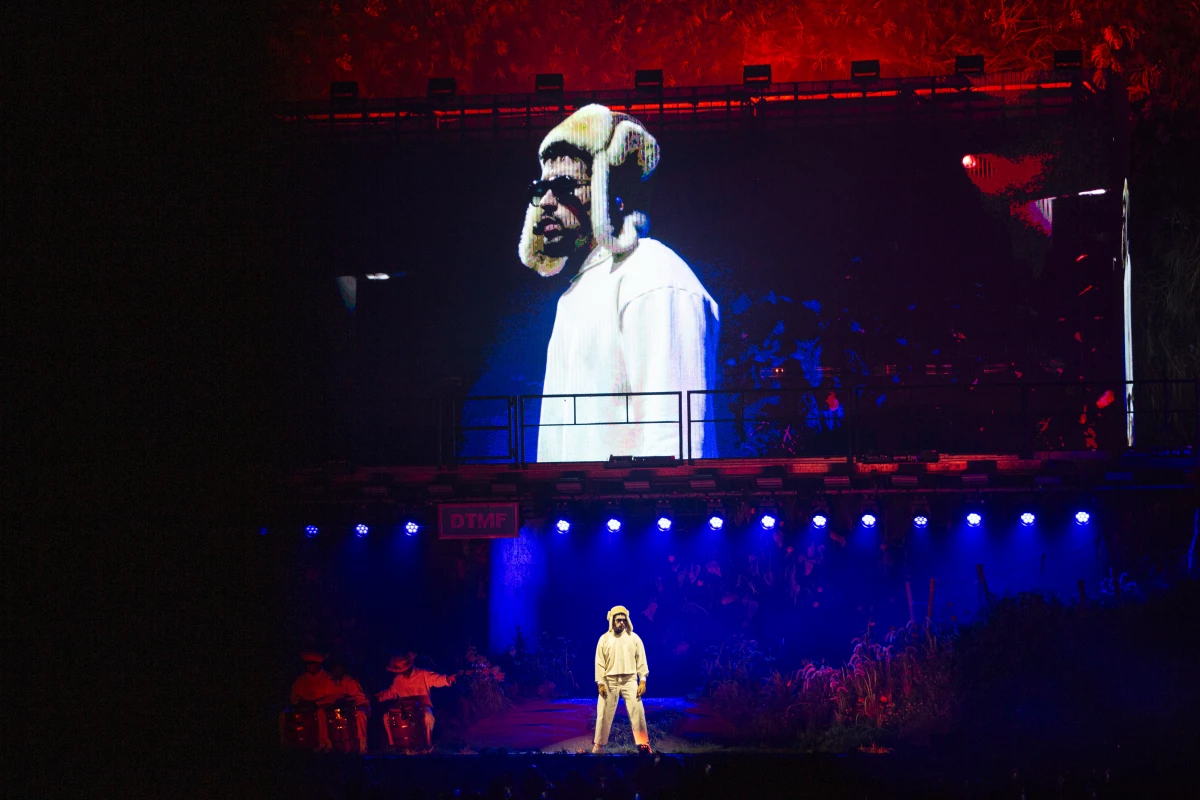
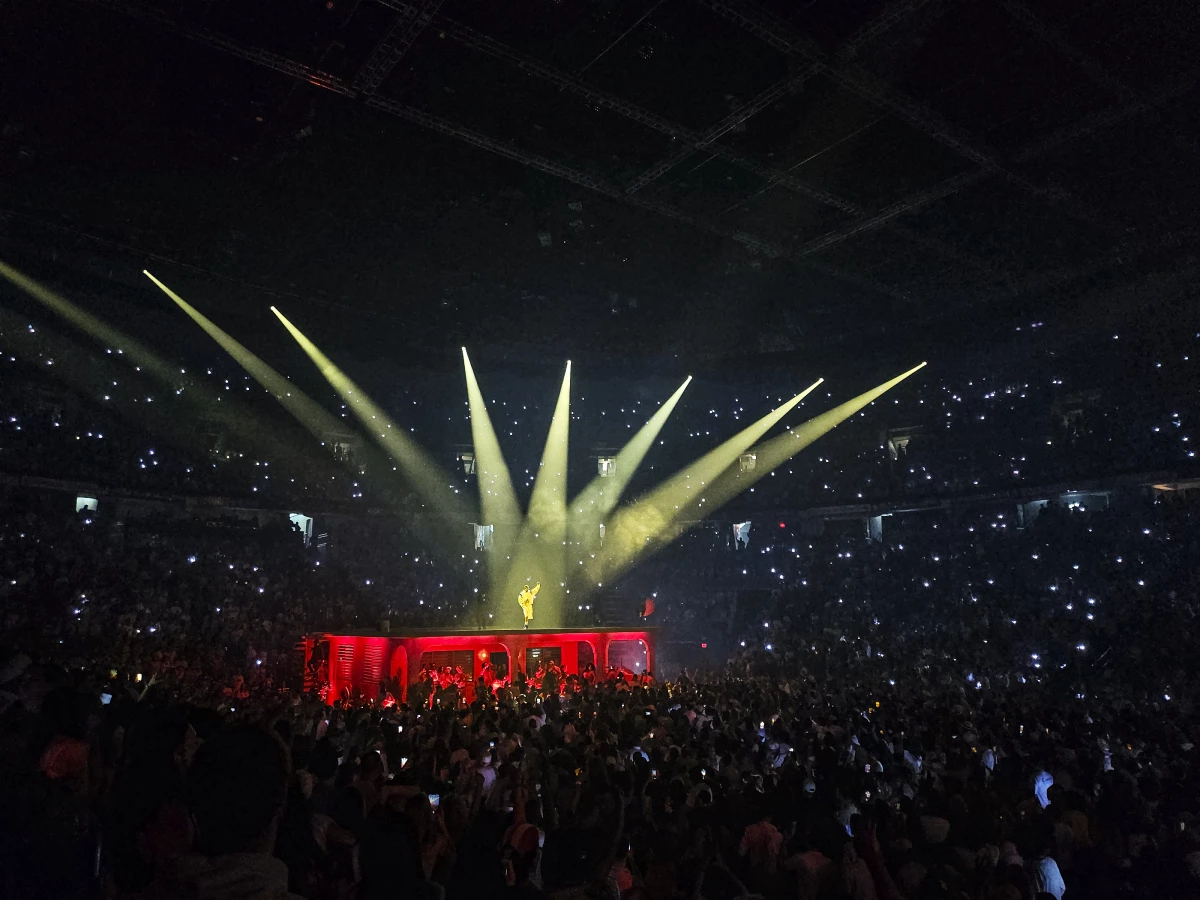
She came back to the island primarily to attend one of the 30 concerts that the global superstar Bad Bunny is performing in San Juan this summer.
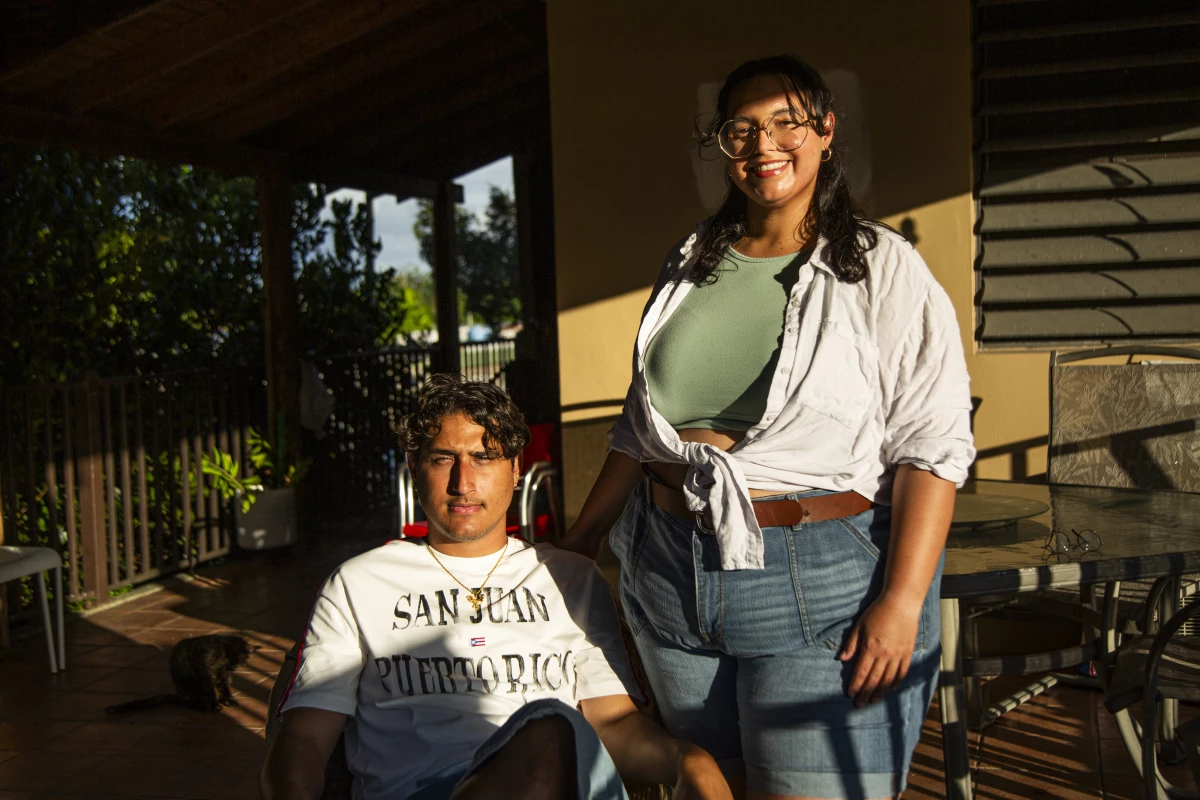
But García Mercado’s long weekend visit turned into a scheduling frenzy, as the 29-year-old maneuvered to fill every open moment with family, friends, and visits to her favorite hangout spots. She wanted to soak in the people and places her heart has ached for in the three years since she reluctantly moved away.
García Mercado is just one of so many Puerto Ricans who’ve felt forced to leave their island because of a lack of economic opportunity amid its decades-long debt crisis, worsening infrastructure, rising prices amid a wave of gentrification, and deteriorating services.
That’s why Bad Bunny’s decision to play all 30 concerts on the island has been so groundbreaking. It’s brought back many thousands of Puerto Ricans who’ve moved away, and is mending some of their sorrow over that decision to leave.
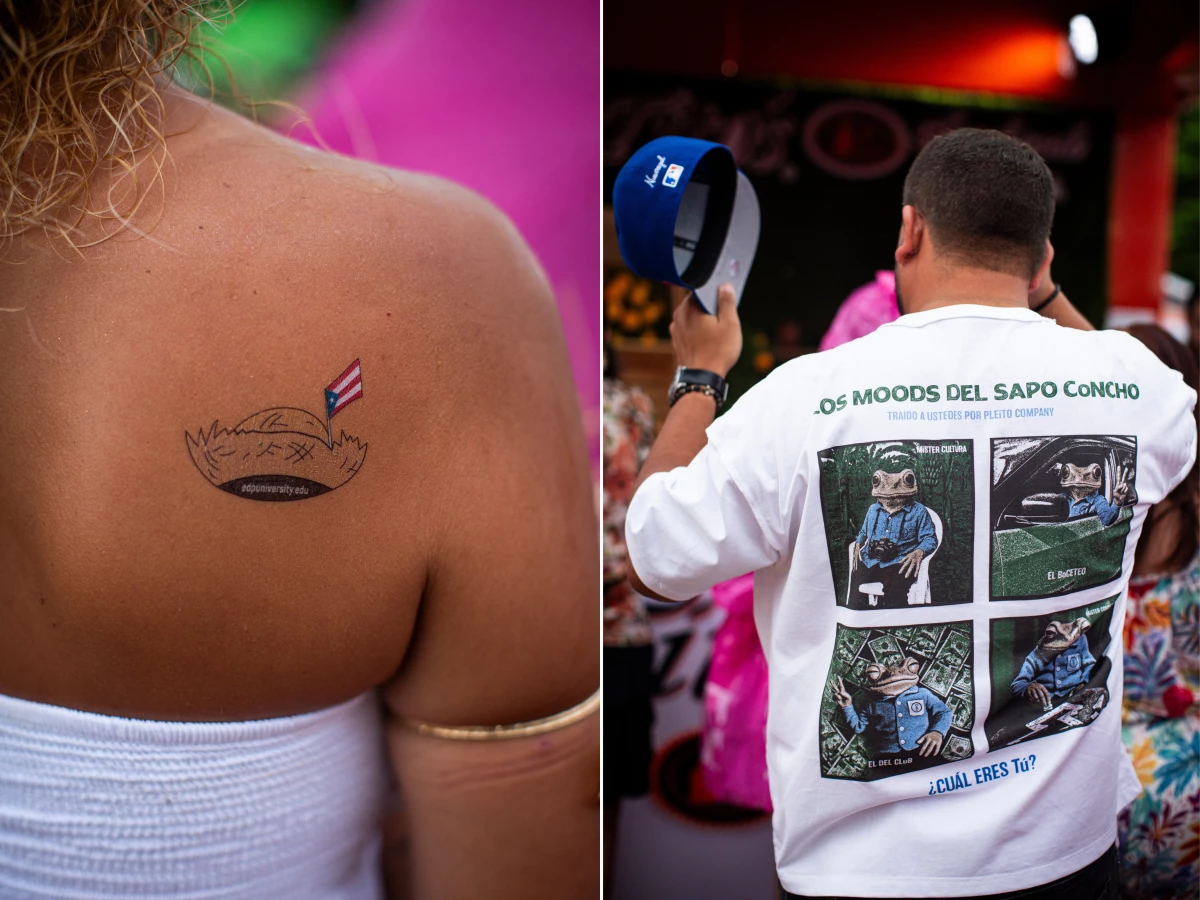
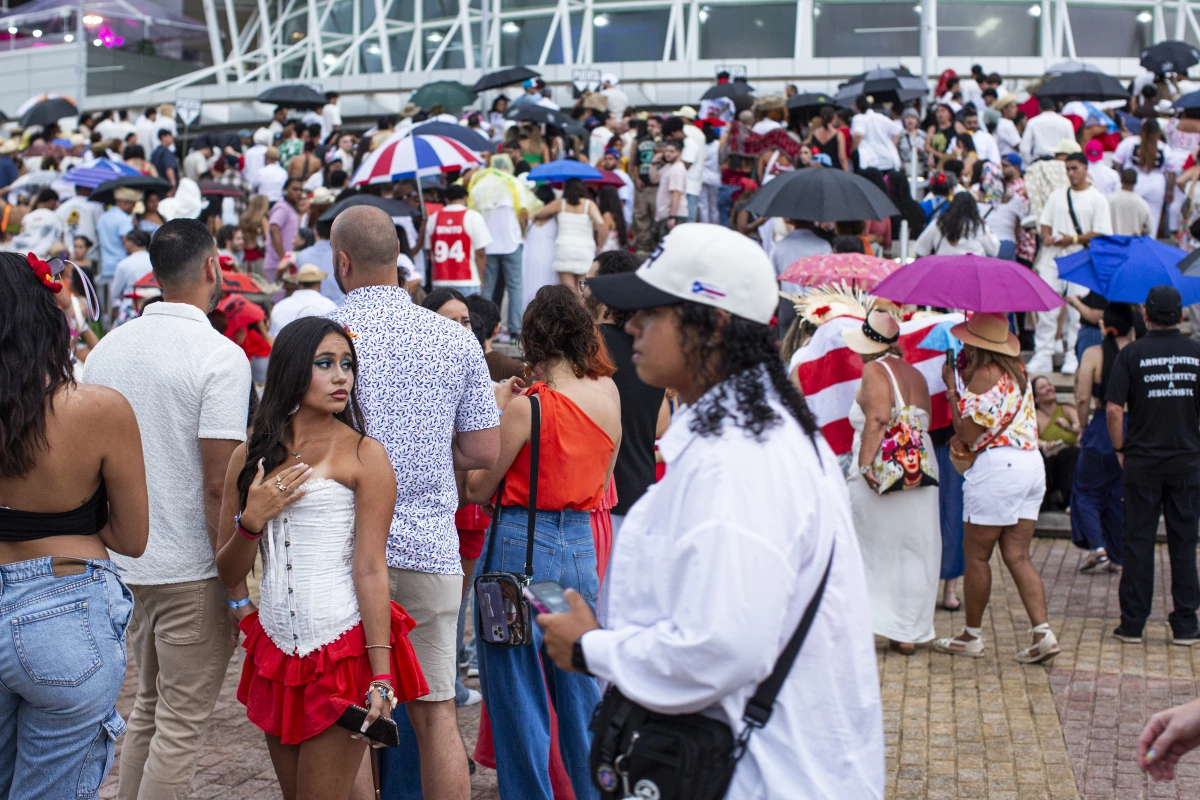
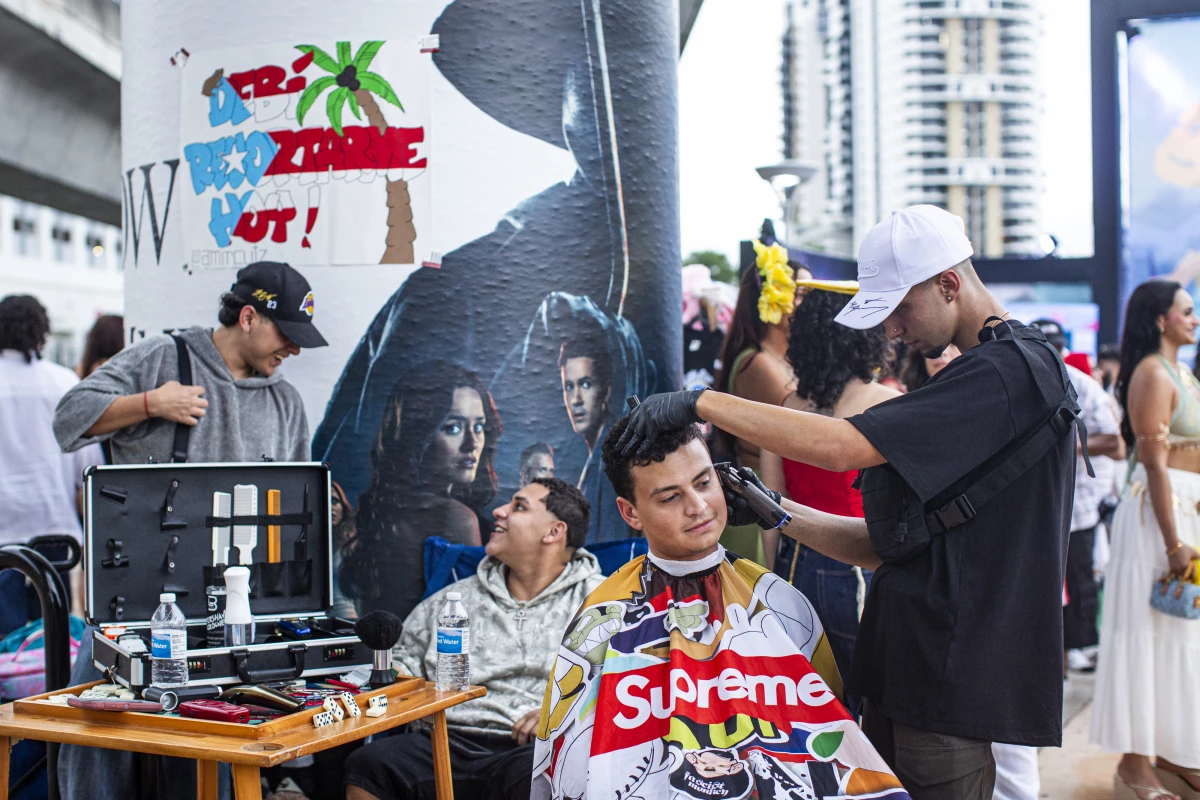
A cathartic experience
The residency’s very title hints at those wounds: “No Me Quiero Ir De Aqui” – “I Don’t Want To Leave Here.”
From the stage, Bad Bunny addresses the hurt directly.
“To those of us who’ve had to leave, but dream of returning,” he said to his audience toward the end of one recent concert, “and to those of us who are still here. We don’t want to leave! We’re still here!”
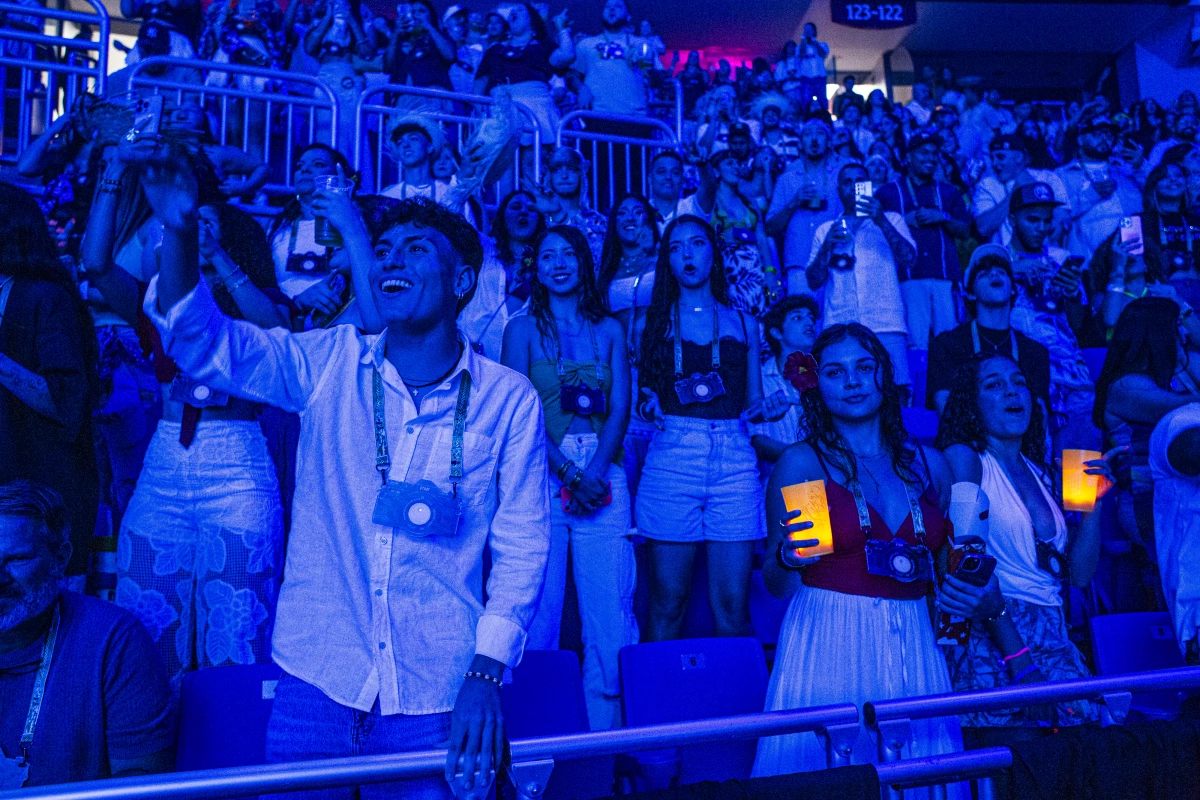
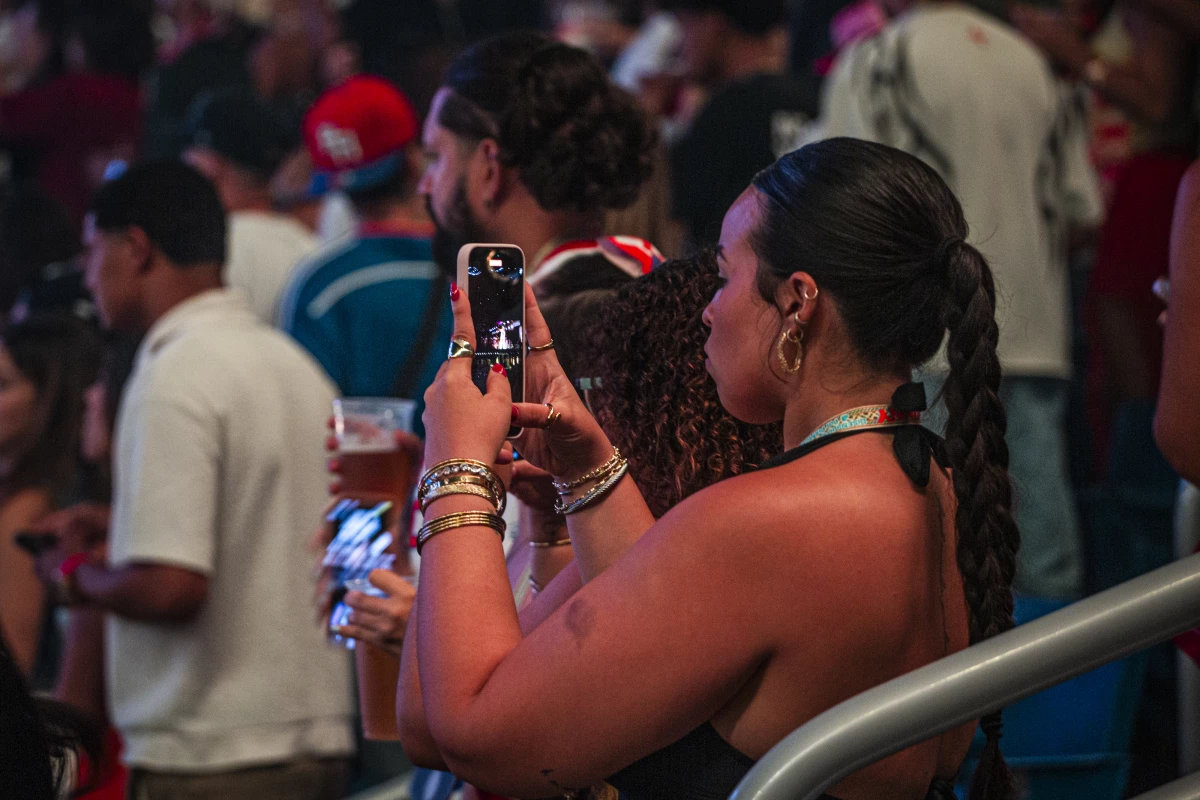
He then launched into the title song of his latest album, a nostalgic track about wishing you’d taken more photos of the people you’ve lost. All around the arena, people embraced their friends, kissed their grandmothers, and cried into the arms of their mothers. It was a communal catharsis.
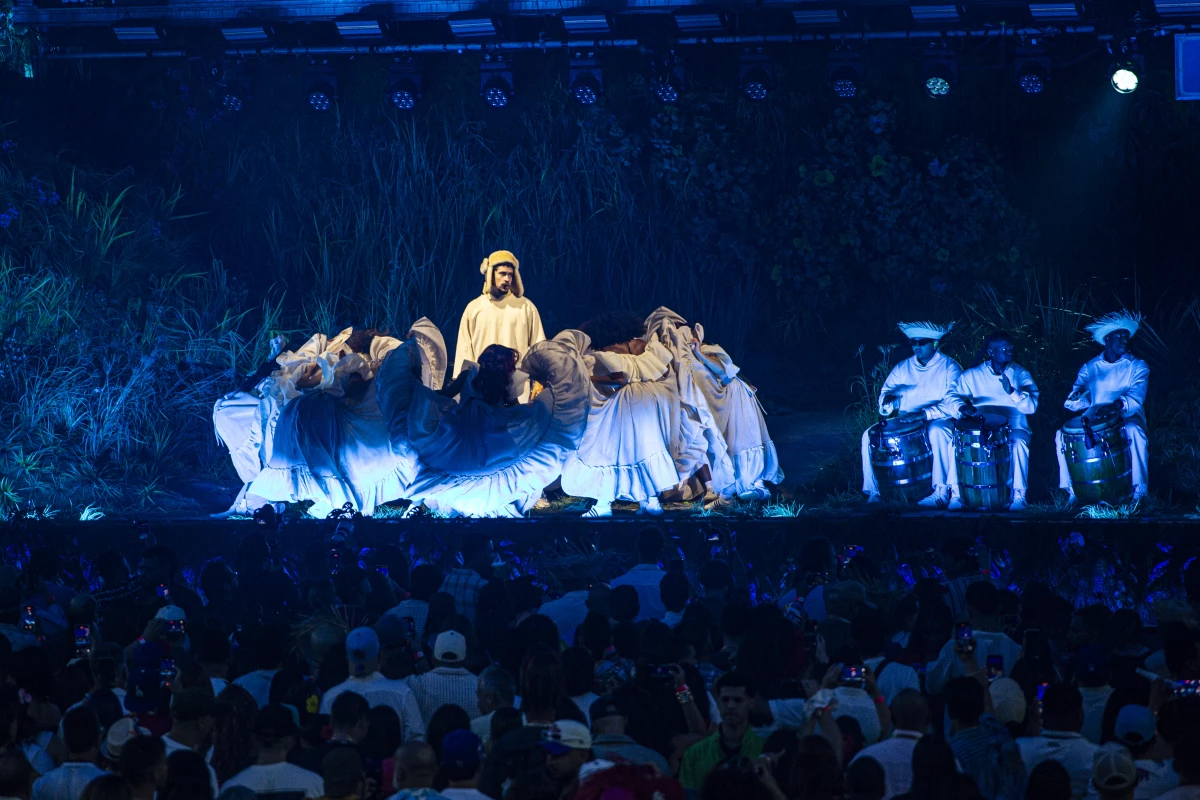
“It’s that feeling of melancholy that so many people feel over a world that is slipping away from them,” said Yarimar Bonilla, a Princeton political anthropologist who has seen the show a few times. “We’re all suffering from a heartbreak over our homeland.”
Bad Bunny is telling fans it doesn’t matter where they live, Bonilla said, they’re no less Puerto Rican. That reassurance has been like a healing balm for the souls of many who’ve left or who were born somewhere else, and who’ve harbored guilt or self-doubt about their Puerto Rican identity as a result.
“For those of us in the diaspora, it feels like we’ve been forgiven,” Bonilla said. “It’s like a recognition that we left unwillingly, that we’ve never forgotten this place, that we’re still a part of it.”
Determination and resistance
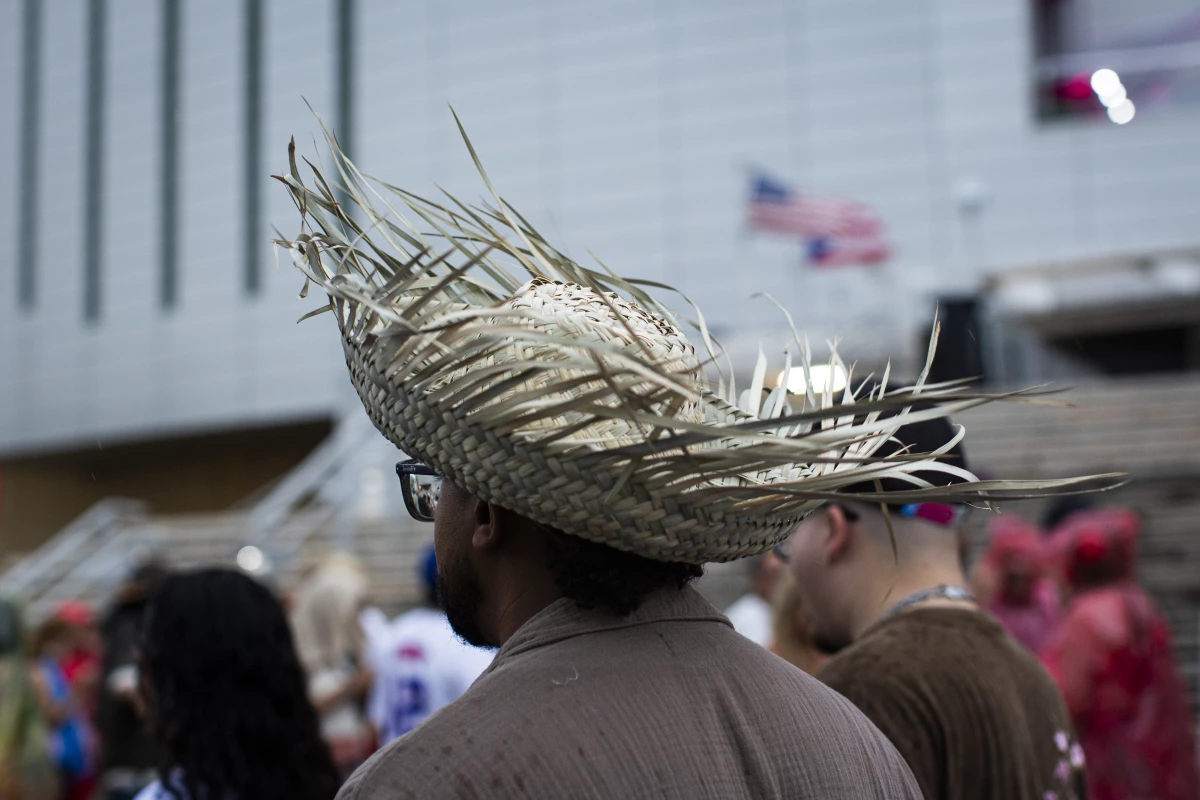
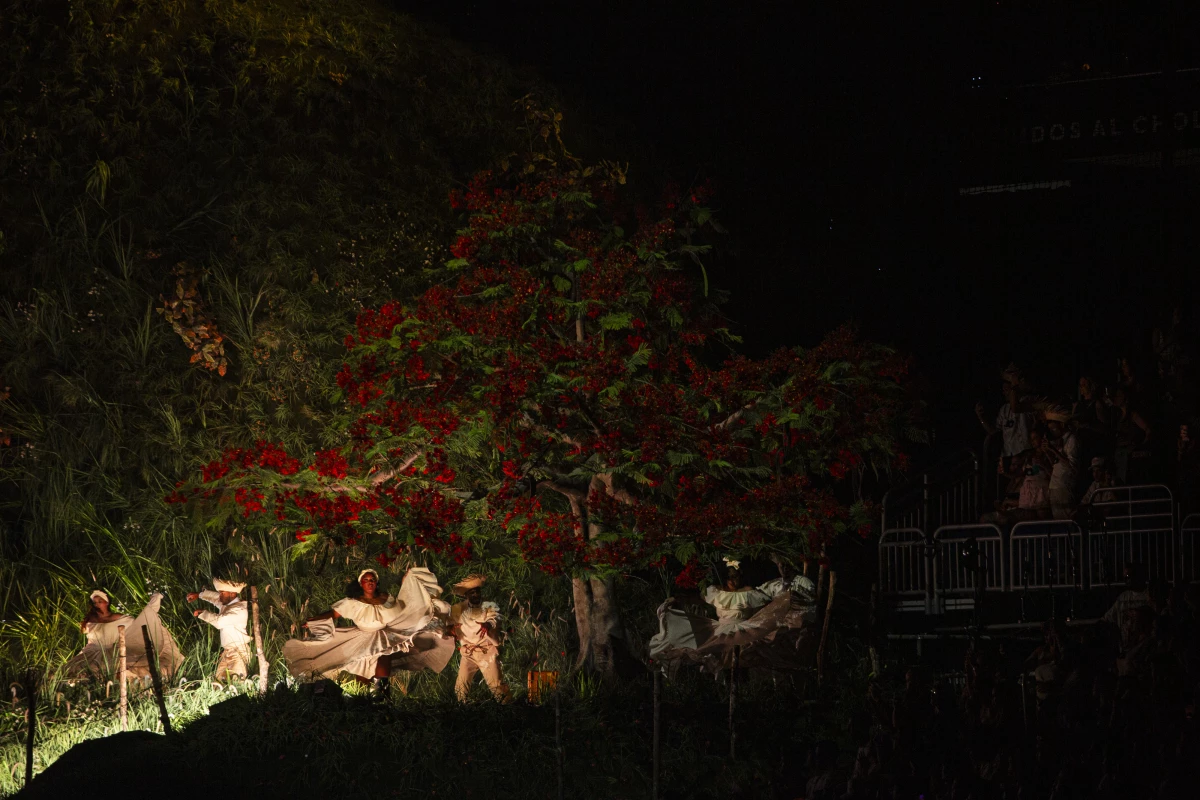
The concert is a pulsating celebration of Puerto Rican traditions and rhythms, among them salsa, plena, bomba and reggaeton. And it’s giving young people, especially, a renewed sense of pride and purpose.
García Mercado, the 29-year-old who left for Orlando, said she’s now more determined to permanently move back to Puerto Rico.
“I’m going to make a plan,” she said.
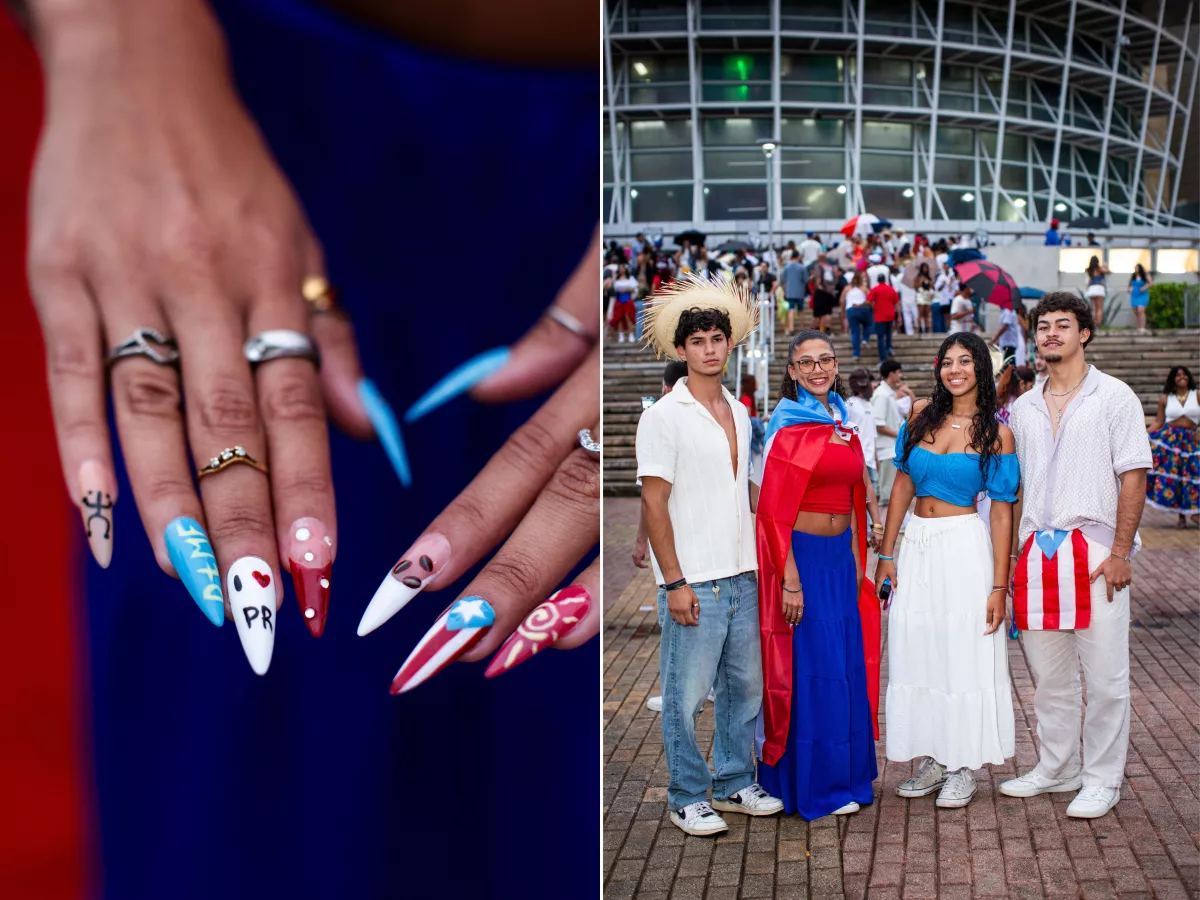
Her friend, Jason Domenech, 27, who left to study and work in Boston, said that, unlike many Puerto Ricans in the diaspora, he does not often wear or display the Puerto Rican flag. But when he returned home for the concert last month, he bought a designer shirt that made a subtle reference to the flag’s stripes and colors.
“It was the first time that I was like, I want to scream that I’m Puerto Rican,” he said. “But without being super loud about it, you know?”
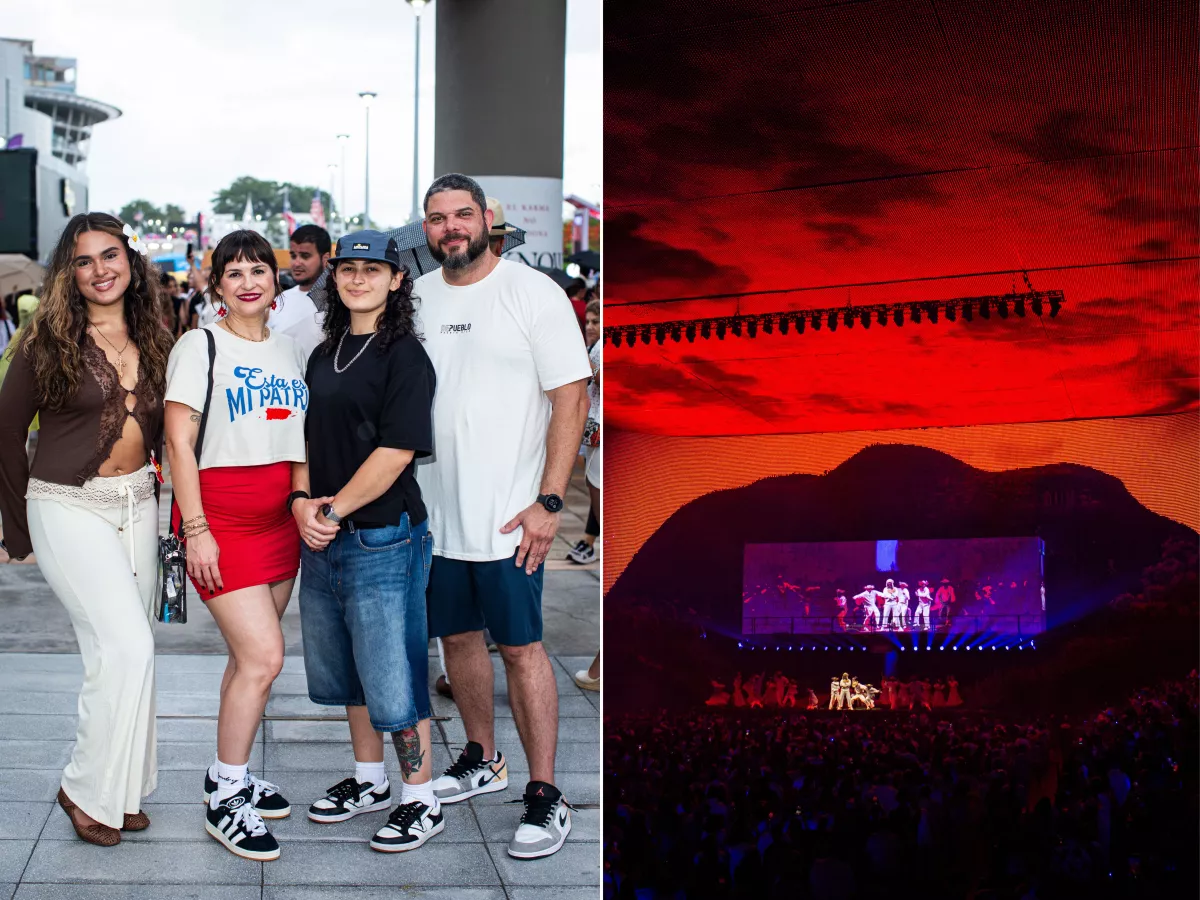
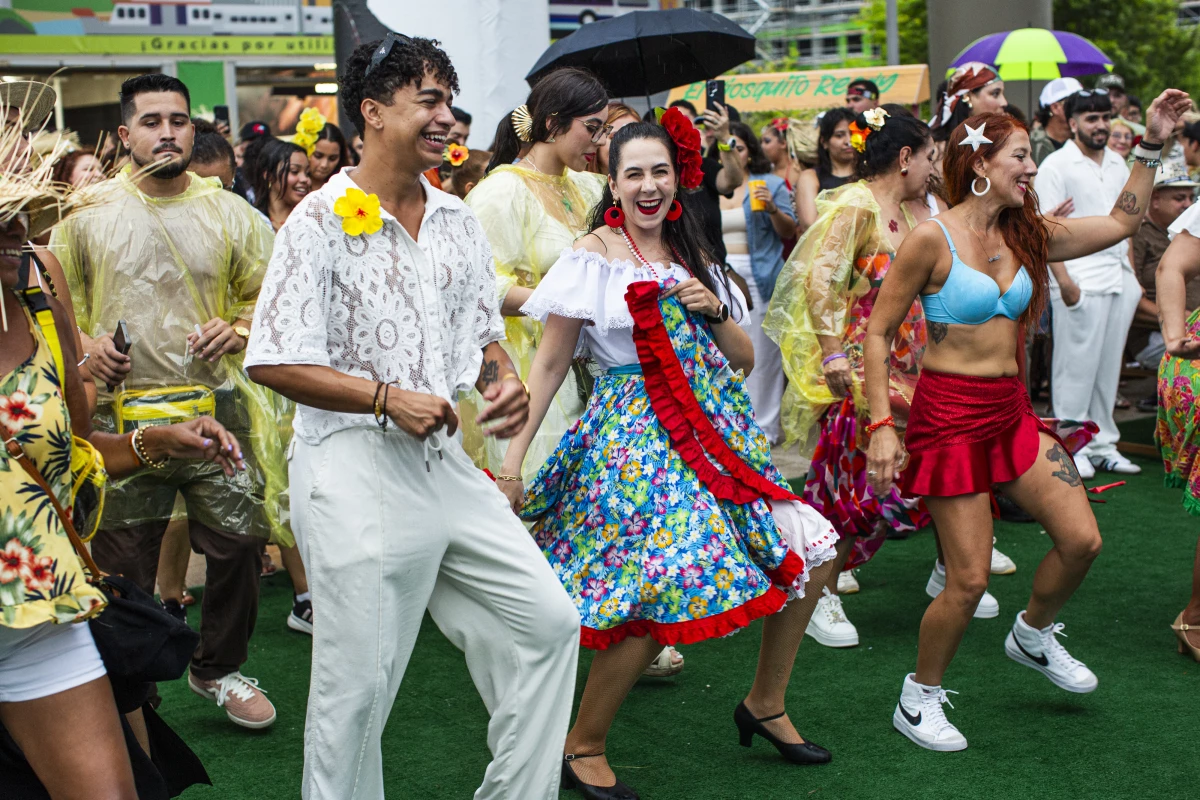
Tanisha Galarza, a 23-year-old from Guayanilla, a town on the island’s southern coast, attended the concert with her mother. They cried through much of it.
Galarza is a budding musician who plays the cuatro, a Puerto Rican folk guitar. She wants to make her career in Puerto Rico but has sometimes worried that she, like a few members of her family, may have to leave to get ahead. She left the concert feeling inspired to do everything she could to stay.
“It’s an amazing feeling,” she said.
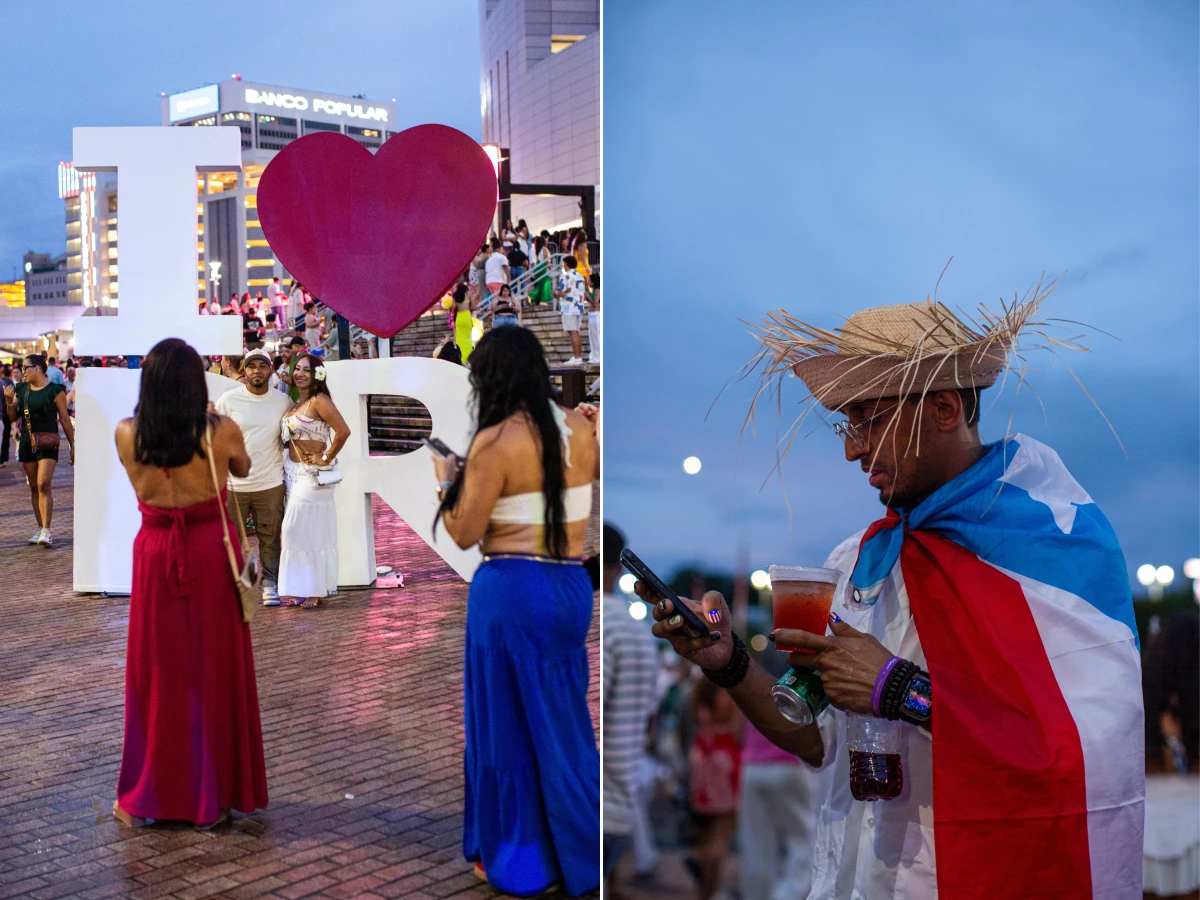
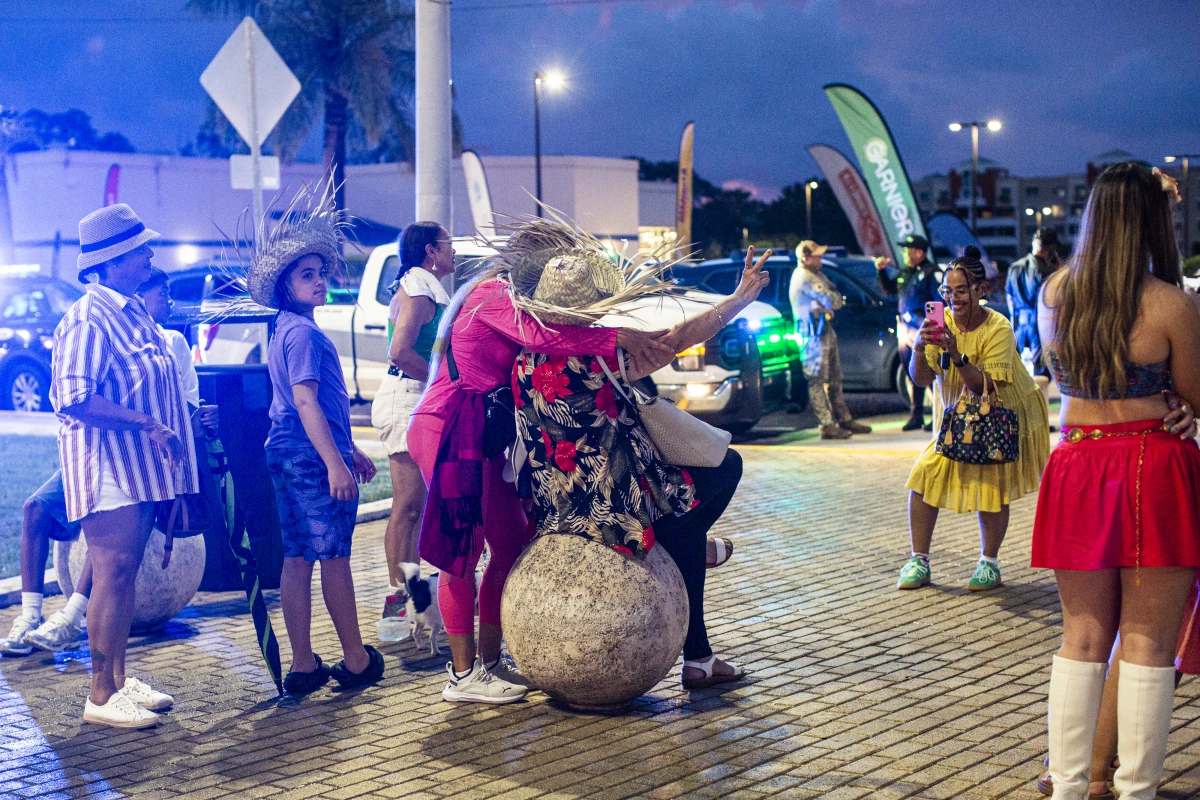
Angeline Mundo and her family moved to Miami in 2014. She, her husband, and her daughters came back for the show.
“I try to figure out every day a way to return to my homeland,” she said. “I brought my family to the concert because I want to teach my daughters to love their culture, to love who we are.”
She said her older daughter, a teenager, has taken a renewed interest in Puerto Rican culture thanks to Bad Bunny.
“He’s done something that no one else has been able to do,” she said. “He’s revived that pride in everyone — young people, old people, doctors, people from the neighborhood. Everyone.”
Transcript:
AILSA CHANG, HOST:
For weeks, the island of Puerto Rico has been under the thrall of Bad Bunny. He is performing 30 concerts there this summer. His residency, as he calls it, is a homecoming for the global superstar born Benito Martinez Ocasio. It’s also a homecoming for many thousands of Puerto Ricans who left their island but are flocking back for the shows. NPR’s Adrian Florido has this story about the concerts and about what it means to come home.
ADRIAN FLORIDO, BYLINE: As soon as she landed back on the island, Michelle Garcia Mercado (ph) felt at ease. She doesn’t get to come home too often, but she was not going to miss Bad Bunny’s concert.
MICHELLE GARCIA MERCADO: Oh, my God, like, I feel at home. I feel at peace. I feel, like, happy for the first time in months.
FLORIDO: She’s one of hundreds of thousands of people who’ve left Puerto Rico in recent decades in search of opportunity. She remembers boarding the plane to Orlando three years ago.
MERCADO: I was like, I can’t believe I’m doing this, because I was like – I was trying to stay here for, like, the longest time.
FLORIDO: But Puerto Rico is not an easy place for young people right now. Its economy is weak. Good jobs are hard to find. Housing’s gotten so expensive as gentrification and tourist rentals have swallowed up units. There are constant power outages. A lot of people give up trying to make it here. Garcia’s family on the island, like so many, has been hollowed out.
MERCADO: My brother left three years before me. My youngest brother and my mother left two years before me. They don’t want to leave, but they did not feel like there was a future here.
UNIDENTIFIED CROWD: (Chanting in Spanish).
FLORIDO: Bad Bunny’s concert series has been a reason to come home for Garcia and for many people who, like her, never really wanted to leave. She had a blast at the show.
(SOUNDBITE OF ARCHIVED RECORDING)
BAD BUNNY AND UNIDENTIFIED CROWD: (Singing in Spanish).
MERCADO: It’s a love letter to Puerto Rico and the culture and especially to the people that have left.
(SOUNDBITE OF ARCHIVED RECORDING)
BAD BUNNY: (Speaking Spanish).
(SOUNDBITE OF MUSIC)
FLORIDO: The concert’s titled “No Me Quiero Ir De Aqui” – I don’t want to leave here. For three hours, San Juan’s biggest concert arena pulsates with the rhythms and traditions of Puerto Rican culture…
(SOUNDBITE OF MUSIC)
FLORIDO: …The things that make life here so rich, despite the struggles.
(SOUNDBITE OF ARCHIVED RECORDING)
BAD BUNNY: (Singing in Spanish).
FLORIDO: There’s bomba drum music that was first danced by enslaved Africans along the island’s coasts…
(SOUNDBITE OF DRUMMING)
FLORIDO: …Musica jibara – peasant music that came from the rural mountains.
(SOUNDBITE OF MUSIC)
FLORIDO: There’s plena…
(SOUNDBITE OF MUSIC)
FLORIDO: Salsa…
(SOUNDBITE OF ARCHIVED RECORDING)
BAD BUNNY AND UNIDENTIFIED CROWD: (Singing in Spanish).
FLORIDO: …Reggaeton house party.
(SOUNDBITE OF ARCHIVED RECORDING)
BAD BUNNY: (Singing in Spanish).
FLORIDO: It’s visceral joy.
(SOUNDBITE OF MUSIC)
FLORIDO: And yet, all around, people are crying, kissing their friends, their fathers, their grandmothers. It’s the nostalgia, the sorrow, of so many families that have had to say goodbye to the people they love. And then Bad Bunny speaks to the 18,000 people in the arena – those who still live here and those who don’t.
(SOUNDBITE OF ARCHIVED RECORDING)
BAD BUNNY: (Speaking Spanish).
(CHEERING)
FLORIDO: “For those of us who’ve had to leave but dream of coming back,” he says, “to those of us who are still here – we don’t want to leave. We’re still here.”
(SOUNDBITE OF ARCHIVED RECORDING)
BAD BUNNY AND UNIDENTIFIED CROWD: (Singing in Spanish).
FLORIDO: This song in the rhythm of plena has become an anthem on the island. It’s just about wishing you’d taken more photos of the people you’ve lost.
(SOUNDBITE OF ARCHIVED RECORDING)
BAD BUNNY AND UNIDENTIFIED CROWD: (Singing in Spanish).
FLORIDO: Yarimar Bonilla is a political anthropologist at Princeton. She’s been to the concert more than once this summer. Like many Puerto Ricans, she found great success in the States, but also like many of them, she’s long felt guilty about leaving. Bad Bunny’s message that where you live doesn’t make you any less Puerto Rican has been like a balm for her soul.
YARIMAR BONILLA: Oh, I get emotional. It’s almost like forgiving. Like, I think for those in the diaspora, it feels like we’ve been forgiven. You know, it’s like a recognition that we left unwillingly and that we’ve never forgotten this place, that we are still part of it.
FLORIDO: But her favorite parts of the concert are the defiant ones. Many young people are no longer just accepting that they’ll have to leave to find opportunity. Many are putting up a fight to stay – getting politically active, protesting the sorry state of affairs. Bad Bunny’s songs reflect that, too.
(SOUNDBITE OF SONG, “LA MUDANZA”)
BAD BUNNY: (Singing in Spanish).
BONILLA: When he says, (speaking Spanish).
FLORIDO: “They won’t force me out of here. I’m not moving.”
BONILLA: (Speaking Spanish).
FLORIDO: “Tell them this is my home. This is where my grandfather was born.”
BONILLA: And then everyone saying, (speaking Spanish).
(SOUNDBITE OF SONG, “LA MUDANZA”)
BAD BUNNY: (Singing in Spanish).
(SOUNDBITE OF CUATRO MUSIC)
FLORIDO: Tanisha Galarza is playing her cuatro – a Puerto Rican folk guitar – in the public plaza of her hometown Guayanilla, on the island’s southern coast.
TANISHA GALARZA: (Speaking Spanish).
FLORIDO: “I’m blessed that most of my family has not had to leave,” she says. She’s 23. She wants to pursue her musical career in Puerto Rico.
GALARZA: (Speaking Spanish).
FLORIDO: But she has worried that she might have to leave. Her mother, Joyce Figueroa (ph), says, look around at this plaza.
JOYCE FIGUEROA: (Speaking Spanish).
FLORIDO: “It’s frozen in time,” she says. The Catholic church was destroyed by an earthquake five years ago. It’s still not been repaired. The city hall – just finally being repaired eight years after Hurricane Maria damaged it. The town library – closed for lack of funding.
FIGUEROA: (Speaking Spanish).
FLORIDO: “It’s hard to convince your children that they should want to stay and build a future here,” she says. She and her daughter and their whole family went to Bad Bunny’s concert together. They cried and cried.
GALARZA: (Speaking Spanish).
FLORIDO: “It was an amazing feeling,” Galarza says. She’s been learning Bad Bunny songs on her cuatro.
GALARZA: (Singing in Spanish).
FLORIDO: Bad Bunny is making young people so proud to be from here, her mother says.
FIGUEROA: (Speaking Spanish).
FLORIDO: “And when you’re proud of your homeland, you try a little harder for it,” she says. “You fight just a little harder to stay.”
Adrian Florido, NPR News, San Juan, Puerto Rico.
(SOUNDBITE OF MUSIC)
UNIDENTIFIED MUSICAL ARTIST: (Singing in Spanish).
