


When Daffodils Guevarra first arrived in Dubai to work as a general practitioner nearly 20 years ago, she was afraid.
Not only had she traveled over 4,500 miles from her home in Pasig, Philippines, to get there, but she’d also heard the Middle East, with its seemingly constant upheaval, was “a scary place.”
“But once I landed in Dubai and I met the people over here, I realized it was a wonderful safe place,” Guevarra, 53, told NPR. “And I said to myself ‘Okay, I think it’s nice to live here.'”
Ever since relocating from the Philippines, Guevarra has lived a stable life in Dubai — until now.
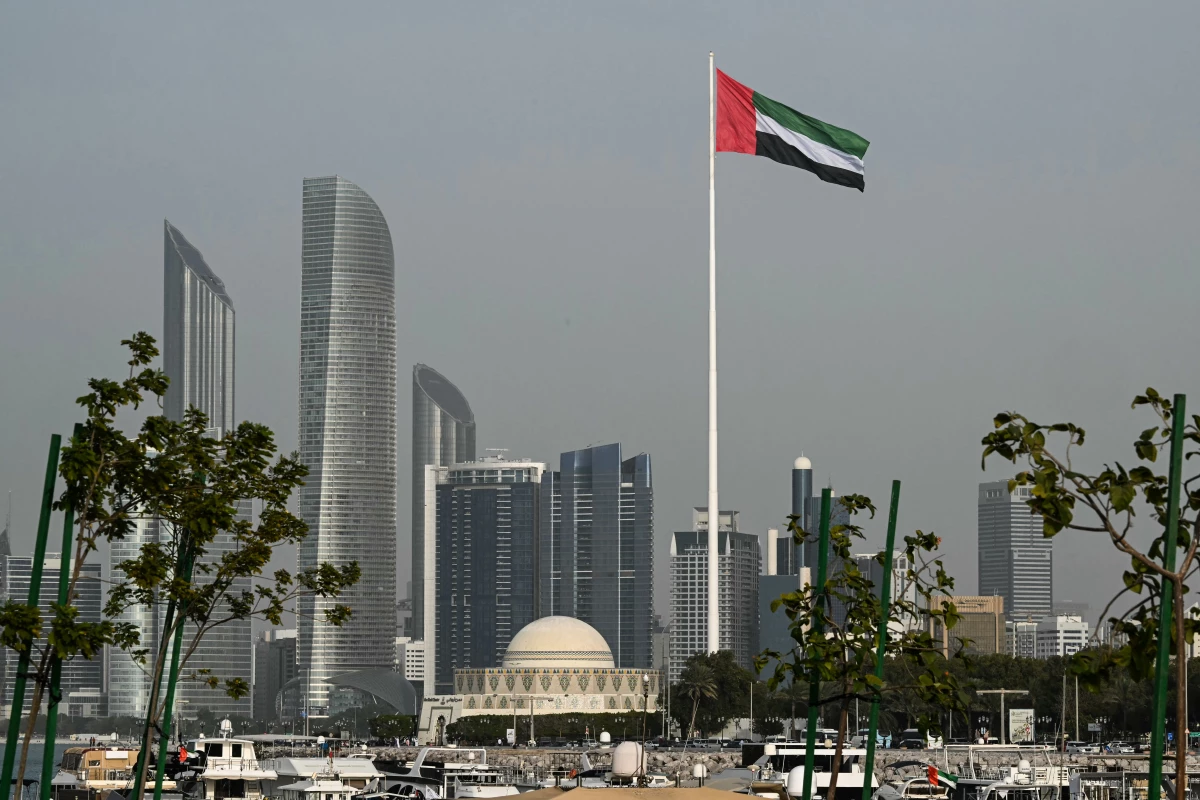
Following U.S. and Israeli strikes on Iran on February 28, conflict has spilled across the region, including into the United Arab Emirates. And even though the UAE has intercepted most of the Iranian missiles and drones targeting their county’s energy infrastructure and finance hubs, the typical safe haven cities of Abu Dhabi and Dubai have not been spared.
“We were not used to having any war at all over here … everybody was on edge,” Guevarra said.
Guevarra recalled spending the first few days of the war indoors and away from windows. Still, she could hear the drones flying overhead. “Maybe 90% gets intercepted. So technically we hear them and boom, we hear some booms and then quiet,” she said.
More than two weeks later, Guevarra says many things in Dubai have gone back to normal, but the uncertainty of how long the war will grip the region weighs heavily on her.
No place to go
Even though Guevarra is a Philippine national, getting back to her home country would not be easy.
This is the reality for millions of migrant workers across the Middle East and the Gulf. Some, like Guevarra, are in high-skilled jobs in health care and business – but the vast majority work in critical, mostly invisible, jobs that quietly keep the luxury societies of the region humming.
In 2019, the International Labor Organization estimates there are more than 24 million migrant workers across the Gulf region alone — typically employed in low-wage jobs in construction, domestic housework, seafaring and caregiving. The ILO reports that over 92% of the work force in the UAE alone is made up of foreign workers. Most of the migrant workers across the region hail from countries such as India, Bangladesh, Kenya, Senegal and Indonesia.
Currently, there are an estimated 2.4 million Filipino migrant workers in the entire region. The majority, around one million, work in the UAE, according to Joanna Concepcion, the head of Migrante-International, a Manila-based group that supports Overseas Filipino Workers — or OFWs — in over 20 countries.
Concepcion said that while there is always a risk of conflict in the region, “this time feels different” because of the war’s intensity and spread to include countries previously not affected by upheaval — like the UAE.
“We are concerned first and foremost about the impact this will have on their livelihood and on their safety,” Concepcion said.
One of the first deaths in the war against Iran was a 32-year-old Filipino caretaker named Mary Ann de Vera, who was struck by shrapnel during an Iranian missile strike on Tel Aviv on the very first day. The New York Times has since reported that a majority of the civilian deaths across the Gulf have been foreign nationals.
Like other governments, the Philippines has managed to bring some nationals home. But President Ferdinand “Bong Bong” Marcos Jr.’s administration has told OFWs broadly to shelter in place, hoping the conflict will end soon.
“The situation is very fluid,” President Marcos said during a briefing on March 3. “Our assessment is that it’s too dangerous to fly, even if we could. There’s nothing we can do because airports are closed.”
No choice but to relocate
Conception says the “lack of urgency” to ensure the safety of Filipino migrant workers during a war only increases their vulnerability.
“Many foreign governments exploit Filipino labor and treat them essentially as disposable,” she said. “Anytime that the contract ends or the workers speak up for their rights they’re immediately terminated and just treated as criminals and slaves.”
While the abuse is hard to fully quantify, academic surveys and nongovernmental organizations such as Human Rights Watch have found that there are thousands of reports from the region every year — partially due to what is known as the kafala system, which gives employers total control over migrant laborers. Over the decades there have been many reports of abuse endured by migrant workers in the region, including passport confiscation, wage theft and violence — including torture and death.
Still, Concepcion says most migrant workers don’t have a choice but to relocate from their home countries, as there are simply not enough well-paying jobs to keep them there.
“Millions [in the Philippines] are considered unemployed or underemployed in the country, meaning there’s a severe lack of livelihoods and jobs that are long term that provide a living wage enough to feed a family,” she said, adding that the current minimum wage in the National Capital Region is less than the equivalent of $15 a day.
Meanwhile, with remittances from OFWs making up nearly 10% of the Philippines GDP at $38 billion, there is little incentive for the government to stop its decades-long business of exporting its people to work abroad, Conception said.
For countries such as Nepal, which also sends hundreds of thousands of migrant workers to the Gulf region, remittances can make up over 26%, according to The World Bank.
“A better life”
Daffodils Guevarra says she makes around $160,000 per year as a doctor in Dubai. That’s compared to the around $25,000 per year she would make in the Philippines.
“A huge difference” in income, she said.
Even salaries of low-wage workers in Dubai far exceed what they would make in the Philippines. Today, a Filipino domestic worker in the Gulf makes at least $6,000 a year. That’s nearly 40% less than the average annual salary in the Philippines, according to the latest data from the Philippine Statistics Authority.
Meanwhile, the ongoing war has not made Guevarra regret her choice to move abroad — she suspects she’s not alone.
“I think it’s provided a lot of opportunities for all the OFWs to live a better life,” she said, noting that many migrant workers have made the region their second home.
“So I think if you ask people who have left, if they have the option to go back, they will. No questions. They really will,” Guevarra said.
Transcript:
MICHEL MARTIN, HOST:
Now we want to talk about an aspect of this Middle East war that many people might not be thinking about – the millions of migrant workers who helped fuel economies across the Middle East and the Persian Gulf and who are now among the casualties of the U.S. and Israeli war with Iran. A Filipino caretaker was killed on the first day of the war. Thirty-two-year-old Mary Ann Velasquez de Vera was hit by shrapnel from an Iranian missile strike on Tel Aviv.
A MARTÍNEZ, HOST:
Daffodils Guevarra is another migrant worker caught up in the war.
DAFFODILS GUEVARRA: I’ll be very honest – we’re not used to any war at all over here.
MARTÍNEZ: By over here, she means Dubai, the business hub of the United Arab Emirates. That safe haven status is now being put to the test. Guevarra has been a general practitioner in Dubai for nearly 20 years. She remembers hearing drones flying overhead.
GUEVARRA: And then, guess what? Ninety percent gets intercepted. So technically, we hear them, then boom. You hear some booms, and then quiet.
MARTÍNEZ: More than two weeks later, Guevarra says many things have returned to normal, but the uncertainty of the war weighs on her.
GUEVARRA: What will happen one week from now, months from now, years from now? That’s on the top of our heads. So we’re just hoping. I mean, there’s a general hope over here that things de-escalate and that hopefully this conflict ends soon.
MARTIN: The International Labor Organization estimates there are more than 24 million migrant workers across the Gulf region. The vast majority of them work low-wage jobs in sectors like construction, health care and domestic work. Most migrant workers are from India, Bangladesh, Kenya, Indonesia and Guevarra’s home country, the Philippines.
JOANNA CONCEPCION: There are an estimate of about 2.4 million Filipino migrant workers in the entire region of the Middle East, and majority work in the United Arab Emirates.
MARTÍNEZ: Joanna Concepcion leads Migrante International, a Manila-based group that supports overseas Filipino workers, or OFWs. She says the conflict in the Gulf this time feels different than those before it.
CONCEPCION: Because of the intensity and in terms of countries that previously were not affected by regional conflict before countries like the United Arab Emirates.
MARTÍNEZ: The Philippine government has managed to bring some of their nationals home, but they’ve told OFWs broadly to shelter in place, hoping the conflict will end soon.
MARTIN: Concepcion says this request only adds to many workers’ already vulnerable situations.
CONCEPCION: Many foreign governments exploit Filipino labor and treat them essentially as disposable. Anytime that the contract ends, or the workers speak up for their rights, they’re immediately terminated and just treated as criminals and slaves.
MARTIN: Now, that abuse is hard to fully quantify, but academic surveys and NGOs like Human Rights Watch have cited thousands of reports each year.
MARTÍNEZ: Still, Concepcion says there are simply not enough well-paying jobs at home.
CONCEPCION: The current minimum wage in the National Capital Region is less than $15 a day. A family of five cannot survive with less than $15 a day.
MARTIN: Daffodils Guevarra says she makes over 80% more as a doctor in Dubai than she would in the Philippines. And even amid the war, she still has no regrets about coming to Dubai. She suspects she’s not alone.
GUEVARRA: I think it’s provided a lot of opportunities for all the OFWs to live a better life.
MARTIN: So for now, Guevarra and the millions of others like her are staying in place as the war rages around them.
(SOUNDBITE OF MUSIC)
