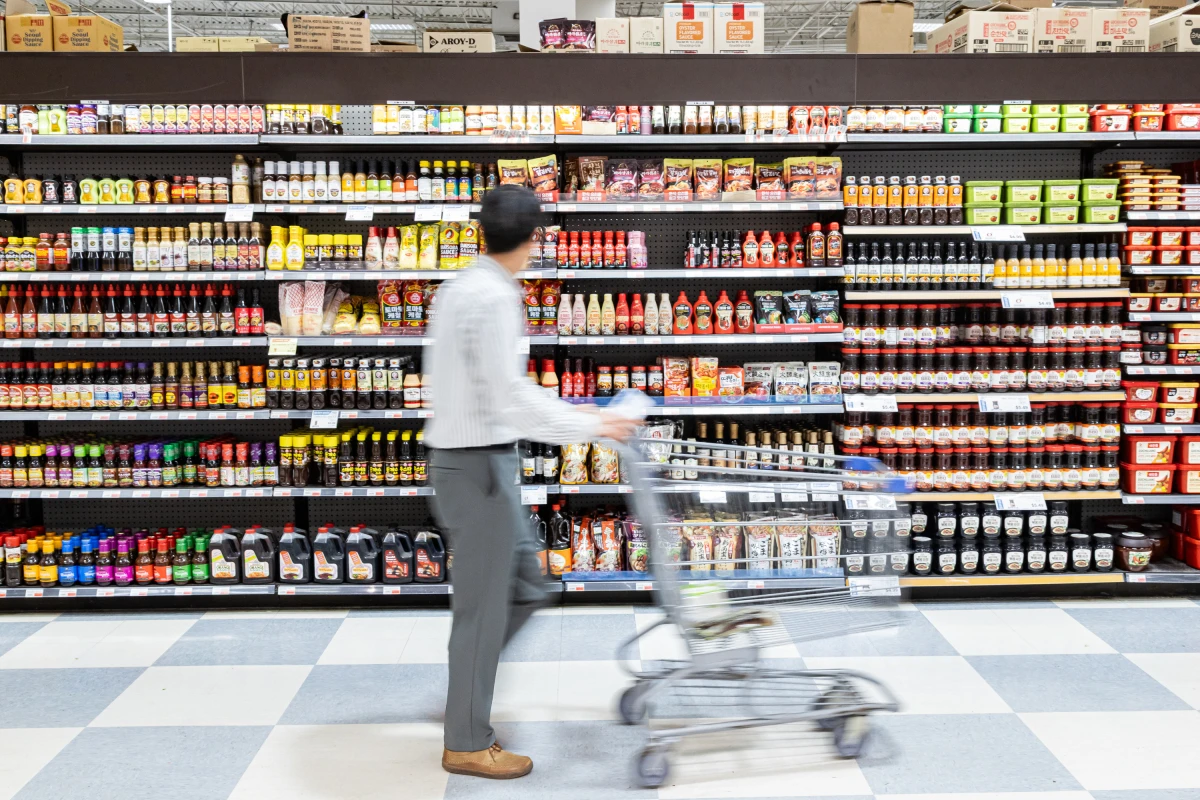
SPRINGFIELD, Va. — Stroll through the colorful aisles of Manila Oriental Market, and it’s hard to miss the label “Made in the Philippines.”
For Filipino-American store owner Arlene Calimlim, it’s a source of pride and what sets her small mom-and-pop shop apart from the myriad of grocers nearby in the suburbs of Washington, D.C. But soon, that cherished label may become too costly for both Calimlim and her customers.
“Every day, every single customer, I don’t know how many times I hear about tariffs,” she said. “They say, the next time I buy this, it might be double in price.”
President Trump’s sweeping tariff plan is underway, with a 10% tax on nearly all imported goods already in effect. Steeper “reciprocal” tariffs will kick in Wednesday — targeting dozens of countries that the Trump administration accuses of unfair trade practices. Asian nations will be among the hardest hit, with tariffs ranging from 17% for the Philippines to 46% for Vietnam.
Then there’s China, which is facing an additional 34% in tariffs, bringing the overall rate to 54%. Beijing has already taken retaliatory measures.
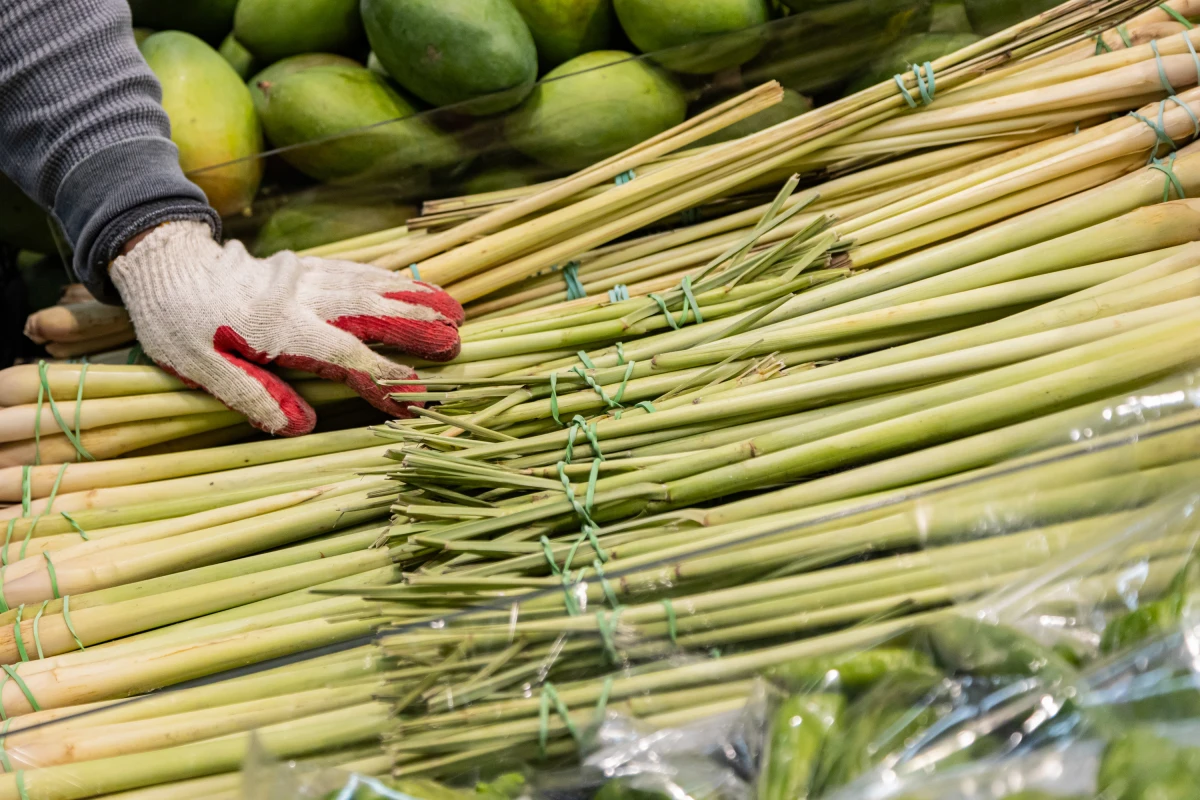
While the full impact of these global tariffs remain unclear, economists predict that prices for items such as frozen fish, rice and spices from the region will soar. That’s especially worrisome for Asian grocery stores. These businesses depend heavily on imported goods for their inventories of affordable ingredients and flavors. They are a lifeline to the immigrant communities they serve, reminding many customers of home and providing options outside the usual supermarket experience.
“The stuff that’s going to take the biggest hit probably is coming from Asia,” said Kenneth Rogoff, an economics professor at Harvard University. “And I suspect Asian Americans particularly … are going to face a big hit.”
Tariffs may threaten some grocery stores’ survival
The aroma of sweet, savory barbecue pork wafts from the hot bar to the cash register inside Manila Oriental Market on a Friday afternoon. Nearly every customer who comes by is a familiar face to Calimlim, some of whom she remembers from when they were just little kids.
Calimlim’s parents opened the small grocery store about 30 years ago, not long after they moved to the U.S. from the Philippines. Her parents were driven by a deep desire to serve the Filipino community in northern Virginia. When they died, Calimlim left her job as a lab technician to take over the family business and carry on her parents’ legacy.
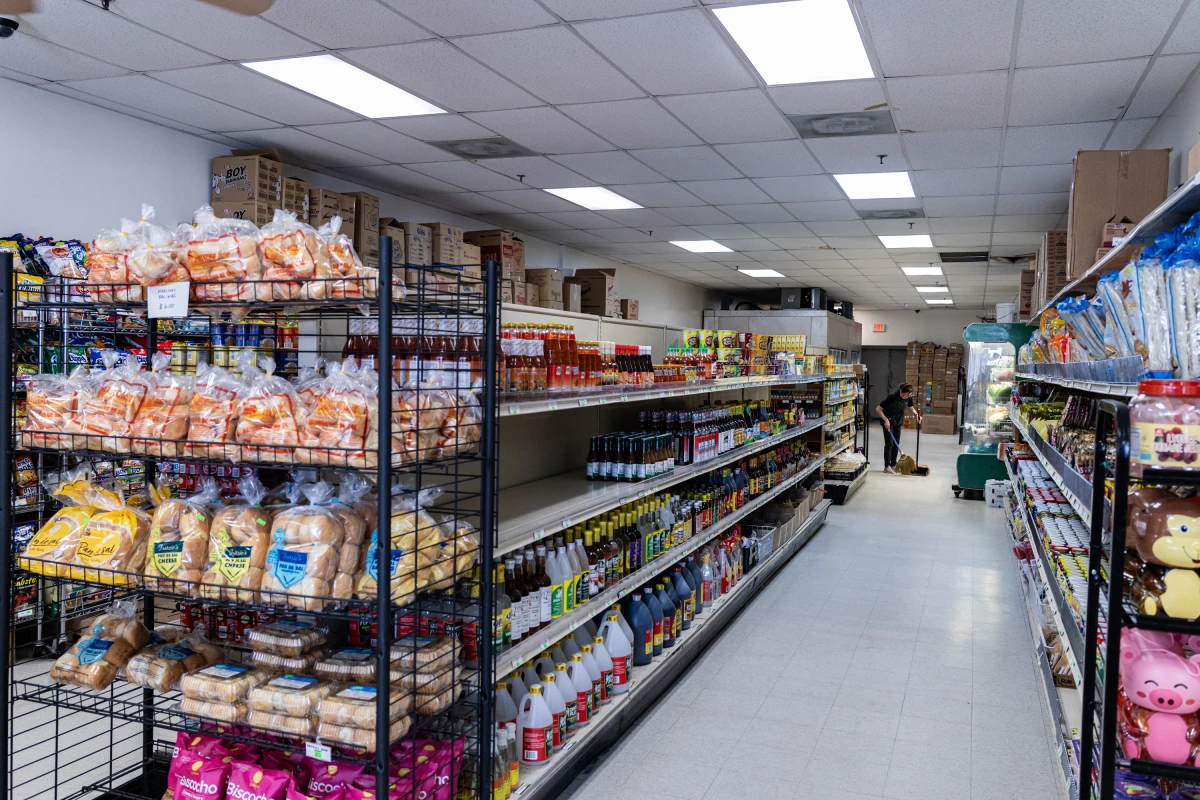
Calimlim says the store has contended with an onslaught of challenges ever since the pandemic, from supply disruptions to inflation. Now, imports from the Philippines are expected to be hit with a 17% new tariff. The rice and coconut milk at her store is from Thailand, which will be subject to a 36% tariff.
“A lot of people are complaining already about the prices and now it’s gonna go even higher,” she said. “What can I do?”
It puts Calimlim in a bind. For small businesses like hers, it can be especially difficult to absorb the rising costs. But raising prices can also backfire. “If the prices go up, they still buy, but not as much,” she said.
Further north, in Falls Church, Va., Muhammad Hossain also finds himself grappling with concerns about price hikes. “Lot of people are scared. Every customer talks about prices getting high,” he said.
Hossain owns Paak Bangla Bazaar, a cozy South Asian grocery nestled just a few doors from a giant Harris Teeter supermarket. Despite the nearby competition, his store has loyal customers for its thoughtful selection of Bengali sweets and fresh seafood, including Rohu fish imported from Bangladesh.
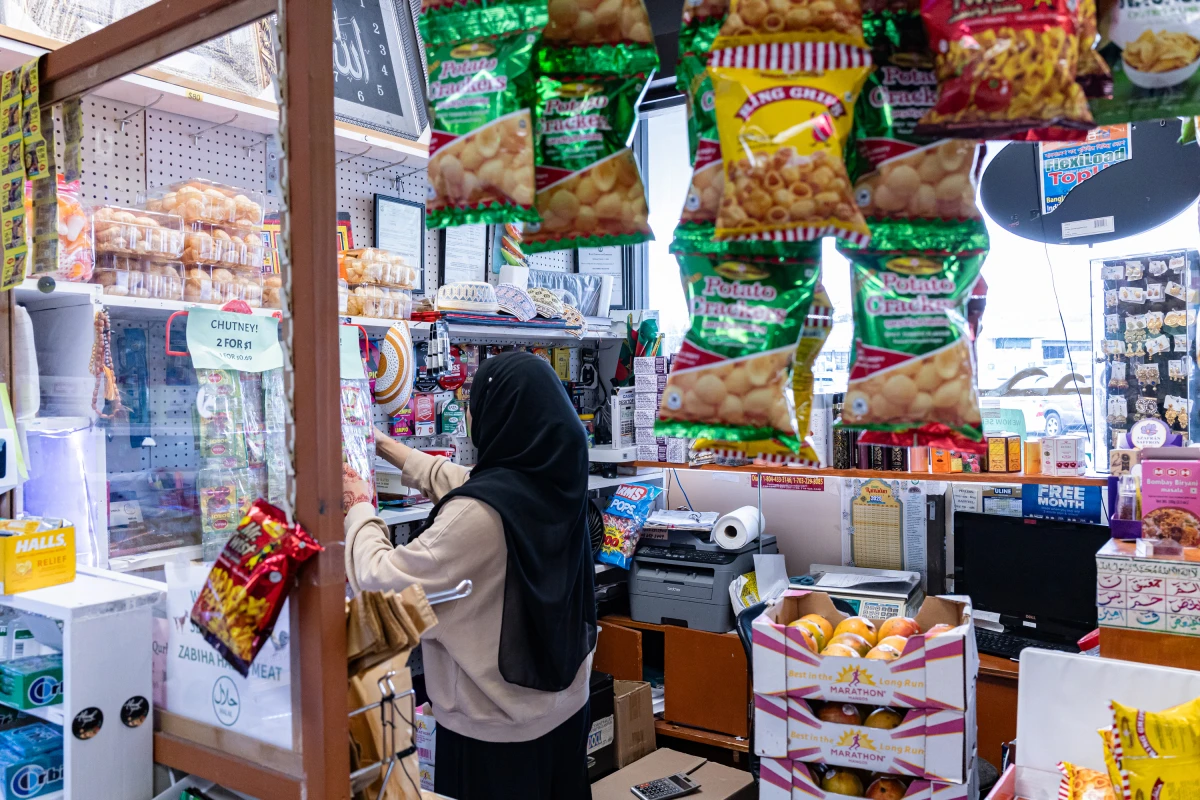
Hossain carefully handpicked every item on their shelves, choosing foods he loves or that are missing in other international markets, said Dola Hossain, his daughter and store manager.
“ Some customers come in and their children are like, ‘Oh my gosh, this is just like Bangladesh!’ And they shop to their hearts’ content,” she added.
The other big draw is the store’s affordable prices, but that could soon change. According to Dola, almost all of the store’s products are imported from Bangladesh, Pakistan and India, which are slated to face 37%, 29% and 26% tariffs respectively.
“I don’t know how the business, I keep it,” Muhammad said. “I don’t know.”
Others re-strategize but no clear solution is in sight
Seafood is among the grocery items expected to take a big hit, causing worry for stores like Yama Sushi Marketplace in Los Angeles.
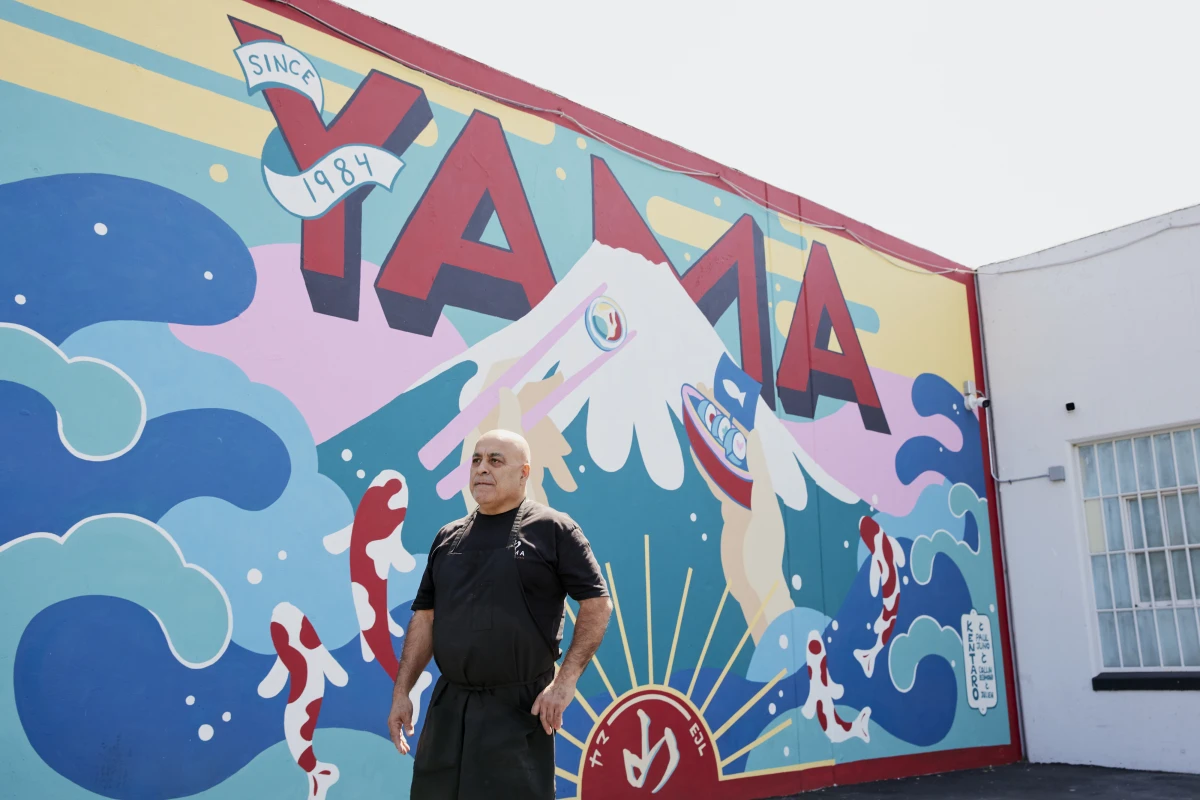
“We’re just bracing for the worst, hoping for the best,” said Enrique Moreno, the general manager at Yama. “Because at this point, we really don’t know exactly how much of the impact we’re going to have.”
Moreno, who’s worked for the business since it opened in 1984, said Yama imports fish from several markets subject to new tariffs, including Japan, Spain and Scotland. He also said the store imports products from China, like takeaway containers.
Moreno wants to keep prices low for customers, but he’s not yet sure how. Yama has started to do some catering, but it makes up only a fraction of their sales. He is also doubtful that domestic products alone can meet their demand. Overall, the U.S. imports up to 85% of its seafood, according to the National Oceanic and Atmospheric Administration.
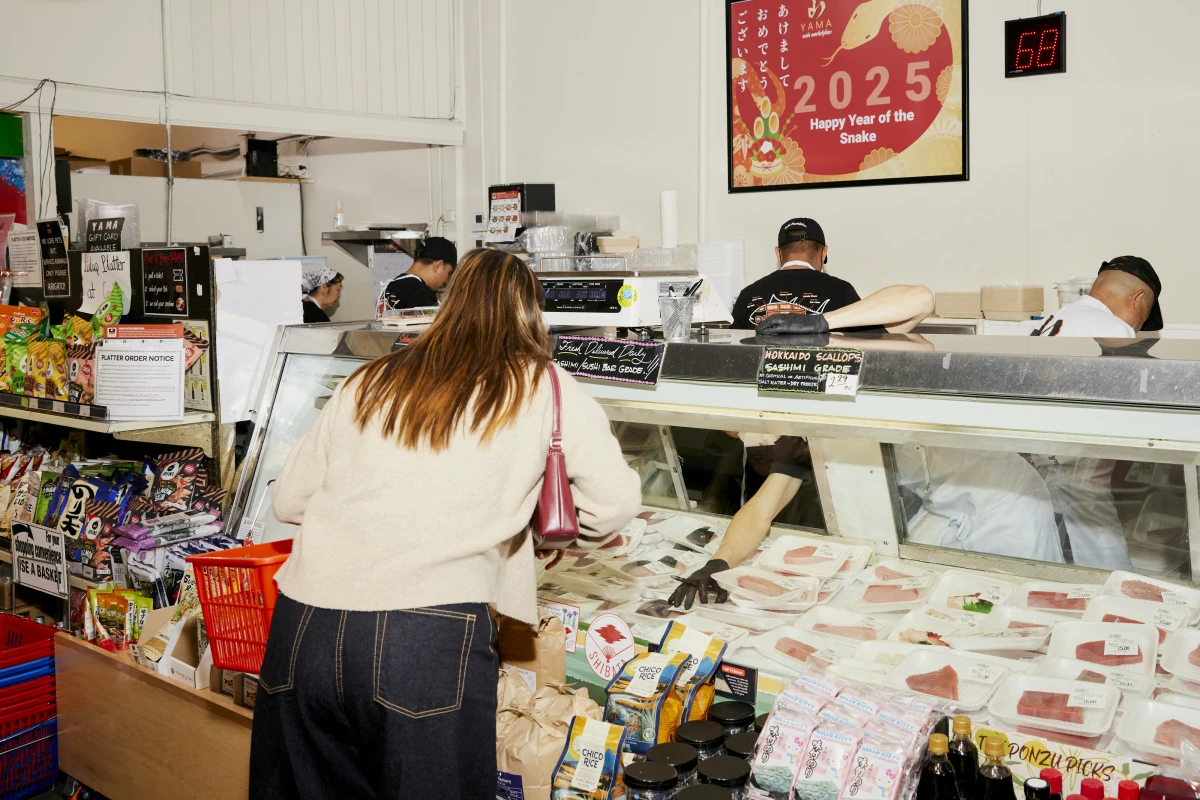
“That’s the other issue. I really don’t know if the [U.S.] is ready to take over,” he said.
Meanwhile, Alvin Lee, the president of Lotte Plaza Market, an international grocery chain with locations in Virginia, Maryland, New Jersey and Florida, has been talking to suppliers around the clock to figure out next steps.
“ Some said they’re still waiting to see how they’re going to handle it,” he said. “But some have already said they were going to increase their prices.”
About 80% of Lotte Plaza Market’s items are imported from countries overseas, including South Korea, India, China, Japan, Vietnam, Thailand and the Philippines. Lee hopes that his suppliers will be willing to share some of the burden of tariff costs. The goal is to keep prices affordable, but it comes after years of already operating on tight margins due to rising labor and energy costs, Lee said.
“We’ve already cut down to the bone so we could keep the prices low for our customers,” he added.
Shoppers fear rising prices, but want to support local stores
Back at Manila Oriental Market, 78-year-old Edward Dizon Sr. is just thankful that the tariff on goods from the Philippines is not as steep as those imposed on other Asian countries.
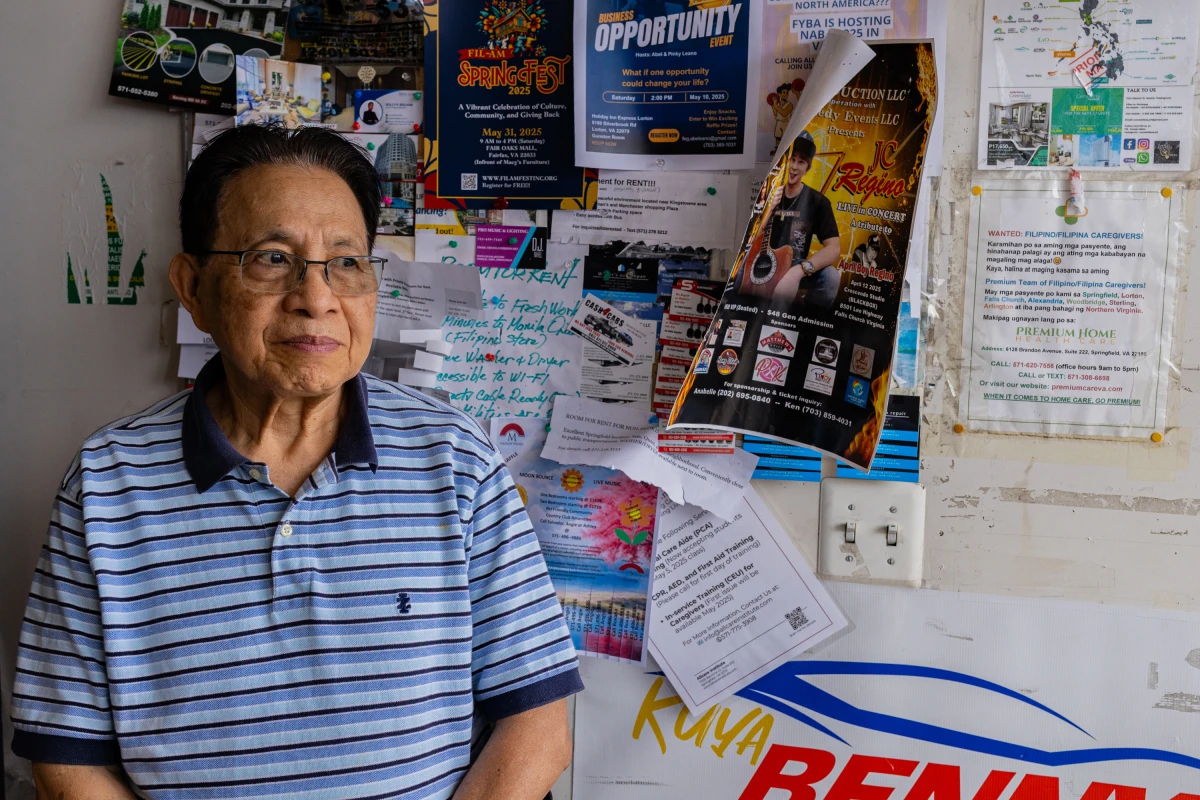
A loyal customer, Dizon said he eats and shops at the Filipino grocery store at least twice a week. Now retired, the market is also where he spends time with other Filipinos in the neighborhood and shows off his spot-on Elvis Presley impression.
Dizon said he is worried about his wallet, but even more nervous for the close-knit community he has built around him. “Of course you’re concerned about it getting expensive, but you’re not the only person. There’s everybody else,” he added.
Lina Le, who works for LA County, was already tightening her family’s budget in anticipation of a potential strike at her job if contract negotiations fall through. Then came the looming tariffs.
“We definitely have stocked up on some stuff. But at the same time, it’s like we don’t want to overstock up on too much,” she said.
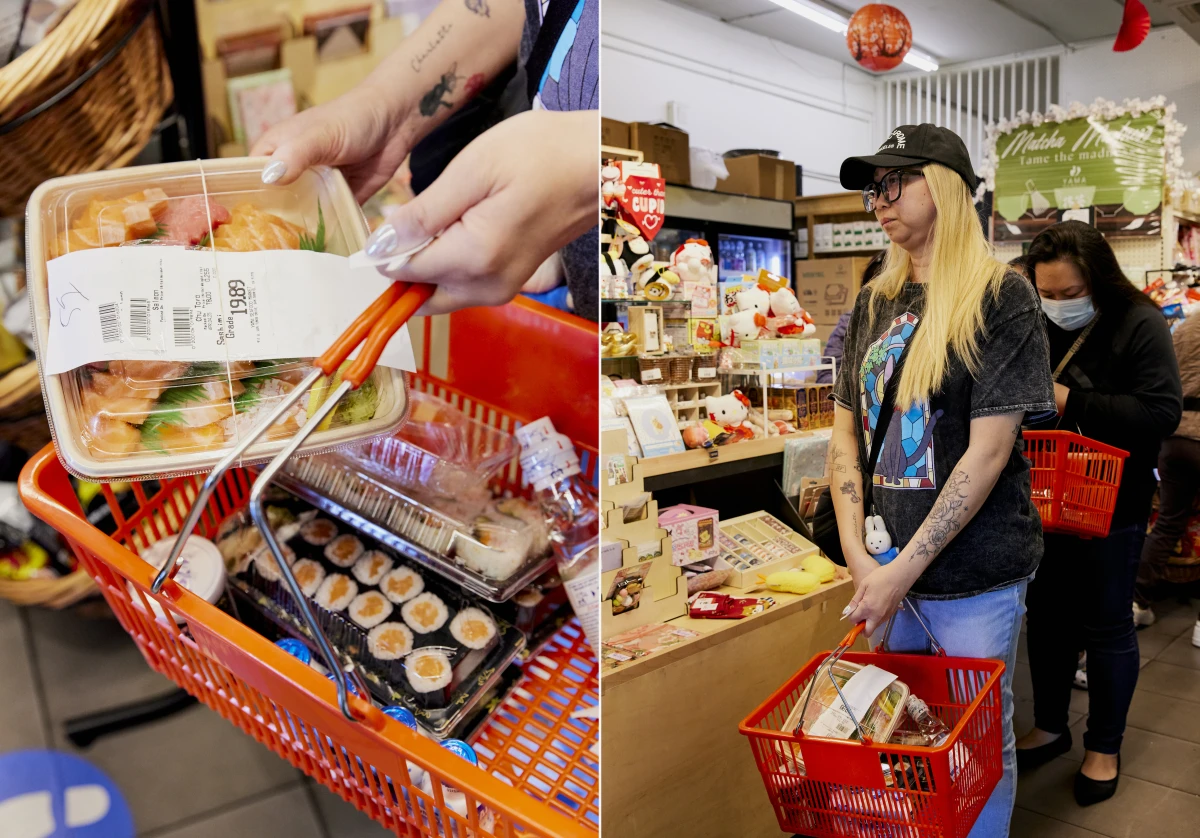
But on Friday, when her two kids earned a lunchtime treat, she knew exactly where she wanted to splurge: Yama Sushi Marketplace. For Le, it’s important to keep supporting local businesses even in uncertain times.
“We have to adjust our lifestyles with everything,” she said. “But at the end of the day, we still want to come out and support our community.”
NPR’s Scott Neuman and Emma Bowman contributed reporting.
Transcript:
JUANA SUMMERS, HOST:
President Trump’s sweeping tariffs are underway. Among the businesses especially worried are Asian grocery stores, which heavily depend on imported goods. NPR’s Juliana Kim traveled up and down northern Virginia to talk to grocery store owners about how they’re navigating this moment. Hi there.
JULIANA KIM, BYLINE: Hi.
SUMMERS: So Juliana, tell us what you’ve been hearing from these grocery store owners.
KIM: Yeah, so I visited Korean, Filipino and South Asian markets the other day, and all the owners expressed the same emotions – I mean, worry, dread, shock. Alvin Lee, who’s the president of an international supermarket chain, Lotte Plaza Market, told it to me like this.
ALVIN LEE: Just stunned by the breadth and the amount and the speed of the tariffs.
KIM: You know, at these grocery stores, nearly all their products are imported from overseas. And they’re also coming from countries expected to be hit with some of the highest reciprocal tariffs, ranging from 17% for the Philippines to 46% for Vietnam. And then there’s China, which is facing an additional 34% in tariffs, bringing the overall rate to 54%. And it may be possibly higher with today’s threats.
SUMMERS: Juliana, do these grocers know what they’re going to do if imports get more expensive?
KIM: Lee told me that some of his suppliers are already planning to raise prices. You know, he’s hoping they’ll be willing to split some of the burden on tariff costs in order to keep prices affordable for customers. The thing is these stores aren’t just popular because they offer unique foods. They still need to be competitive on price, and that’s been increasingly tough to do. Lee told me his grocery chain has already been operating on tight margins for years due to rising labor costs and energy costs.
LEE: We’ve already cut down to the bone so we could keep the prices low for our customers.
KIM: And it’s not just Lee. I heard the same thing from other store owners.
SUMMERS: So do you think the tariffs might threaten the future of some of these grocery stores?
KIM: Unfortunately, yeah. You know, if these grocery stores have to raise prices again, the owners of smaller shops, in particular, worry whether their businesses can survive. I spoke with the manager of a small South Asian grocery store in Falls Church, Virginia, that’s been around for almost 18 years. You know, despite being near a big Harris Teeter, the store is often busy with loyal customers who are attracted to their sweets and fresh fish directly from Bangladesh.
DOLA HUSSAIN: Some customers come in, and their children are like, oh, my gosh, this is just like Bangladesh.
KIM: That was Dola Hussain. She’s 19, and her dad owns Paak Bangla Bazaar. And the shop not only means a lot to her customers but also to her family. You know, this is their main source of income and what Dola’s dad hopes will be his legacy.
SUMMERS: Well, do you know how the customers of these grocery stores are feeling?
KIM: They’re also stressed. I mean, this is coming at a time when customers across the board have been feeling the pinch when they go to the grocery store. But what was interesting to hear is that, despite the possibility of higher tariffs, some shoppers are committed to supporting their local businesses. That’s what Lina Le told my colleague, Emma Bowman, outside of Yama Sushi Marketplace in Los Angeles.
LINA LE: We have to adjust our lifestyle with everything. But at the same time, I don’t want to not support our community and then losing all these, you know, mom-and-pop stores.
KIM: It’s why when Le’s kids earned a lunchtime treat, she chose to get sushi at Yama.
SUMMERS: NPR’s Juliana Kim. Thank you so much.
KIM: Thank you.
(SOUNDBITE OF MUSIC)