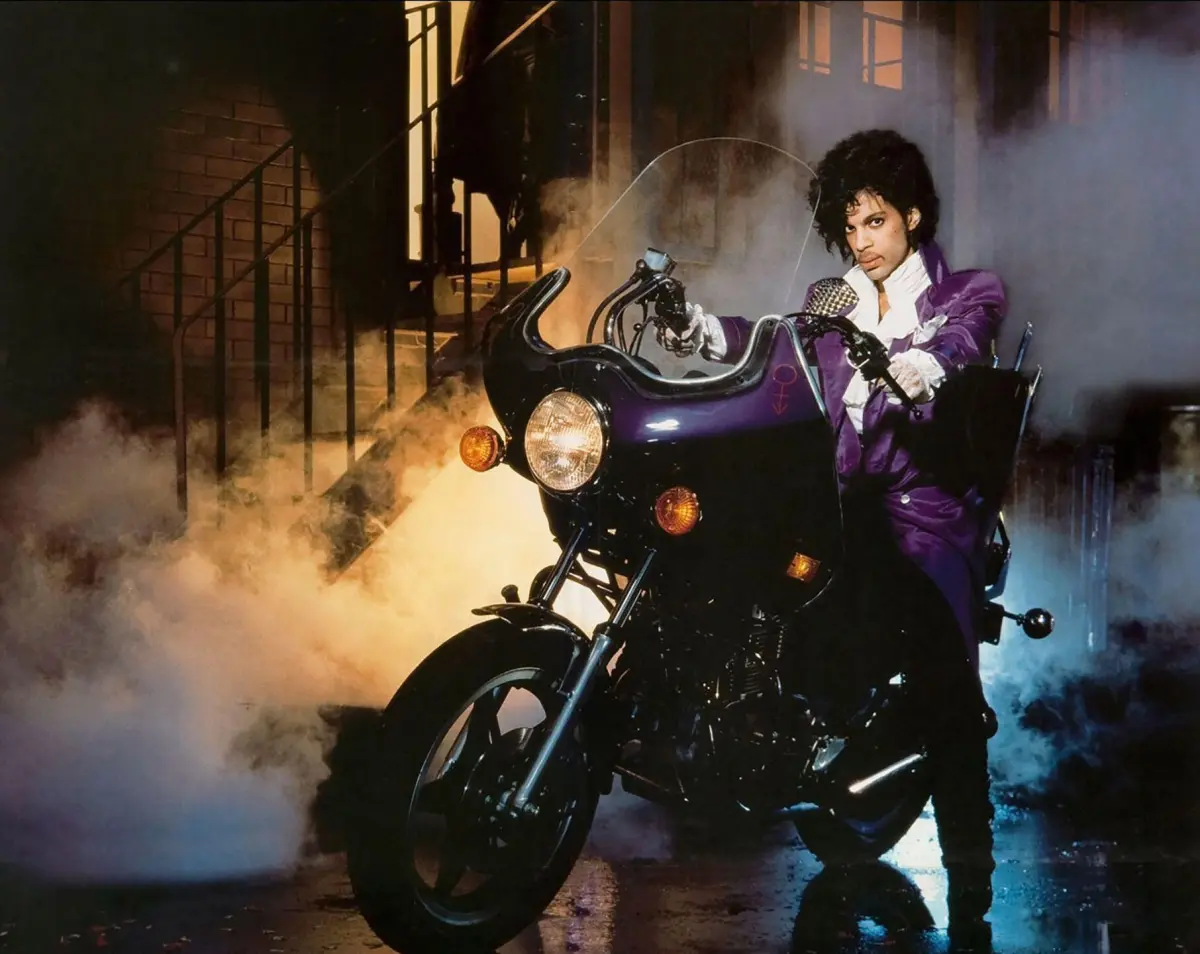
Wendy Melvoin, guitarist for Prince’s genre bending band The Revolution, remembers one of their most iconic songs started with an idea — and a challenge — from the boss himself.
Prince broached the topic during a band rehearsal. “He came to the table with this beautiful idea … most of the songs [on the album] had already been done,” says Melvoin, “He said ‘I have this idea and sounds a little like this…whattaya you guys got?’”
What Wendy had was an idea for a mournful cascade of guitar chords that proved the perfect starting point.
“I came up with that intro and that chord progression to get us into the song,” she adds. “And it ended up being one of the most iconic intros to a pop ballad ever.”
The song Purple Rain would become the surprising, anthemic climax for a film of the same name that emerged as one of the most successful and influential musical films in history. The movie hit theaters 40 years ago, breaking barriers in the music world while signaling the ascendancy of Prince as a pop music superstar.
Putting Purple Rain on the silver screen
Filmed around the band’s Minneapolis hometown, Purple Rain had a simple story. Prince’s character — known only as The Kid – is rocked by his dad constantly beating his mother at home, struggling to connect with his bandmembers and a new romantic interest, a beautiful singer named Apollonia.
Drummer Bobby Rivkin, known onstage as Bobby Z, says the idea of showcasing Prince’s songs and The Revolution in a film was inspired by the success of MTV and its focus on music videos.
“Prince was always someone who took a step bigger than the cultural [stuff] that was happening at the times,” he adds. “Once MTV started playing his videos, I think he just gravitated to something bigger and said ‘I’ll just take it to the next level.’'”
Melvoin says she and The Revolution — including Rivkin, keyboardists Lisa Coleman and Matt Fink and bassist Brown Mark — found out they would be working on a movie when Prince announced it in a matter-of-fact way at a rehearsal. But she wasn’t worried about whether she could act or how the band would look onscreen.
“I guess if I had any concern back then, it was just literally, ‘was the story going to be any good?’” she says, laughing. “I didn’t have any doubt the music sequences would be fantastic. But I didn’t have a good sense of whether the narrative of the film was going to work.”
Turns out, it all worked pretty well. Purple Rain was a hit, with the film and its soundtrack earning an Oscar, two Grammy awards and status as a groundbreaking musical film.
It also introduced a film audience to Prince’s scorching performance style, his unerring ability to craft hit tunes, and his distinctive fashion sense. Prince’s network of bands and performers also got some attention – including the girl-fronted group Apollonia 6 and the funk band The Time.
The Time lead singer Morris Day and his onstage foil Jerome Benton became the film’s comic center, with the two riffing on a version of Abbott and Costello’s classic routine “Who’s on First?”.
“Honestly, we weren’t trying to be funny … we always clowned around at the time because we were young,” Day says, responding to questions via email. He noted, even though the cast took acting and dance classes in preparation for filming, “we were just being ourselves. If anything, I was more conscious of being cool than funny.”
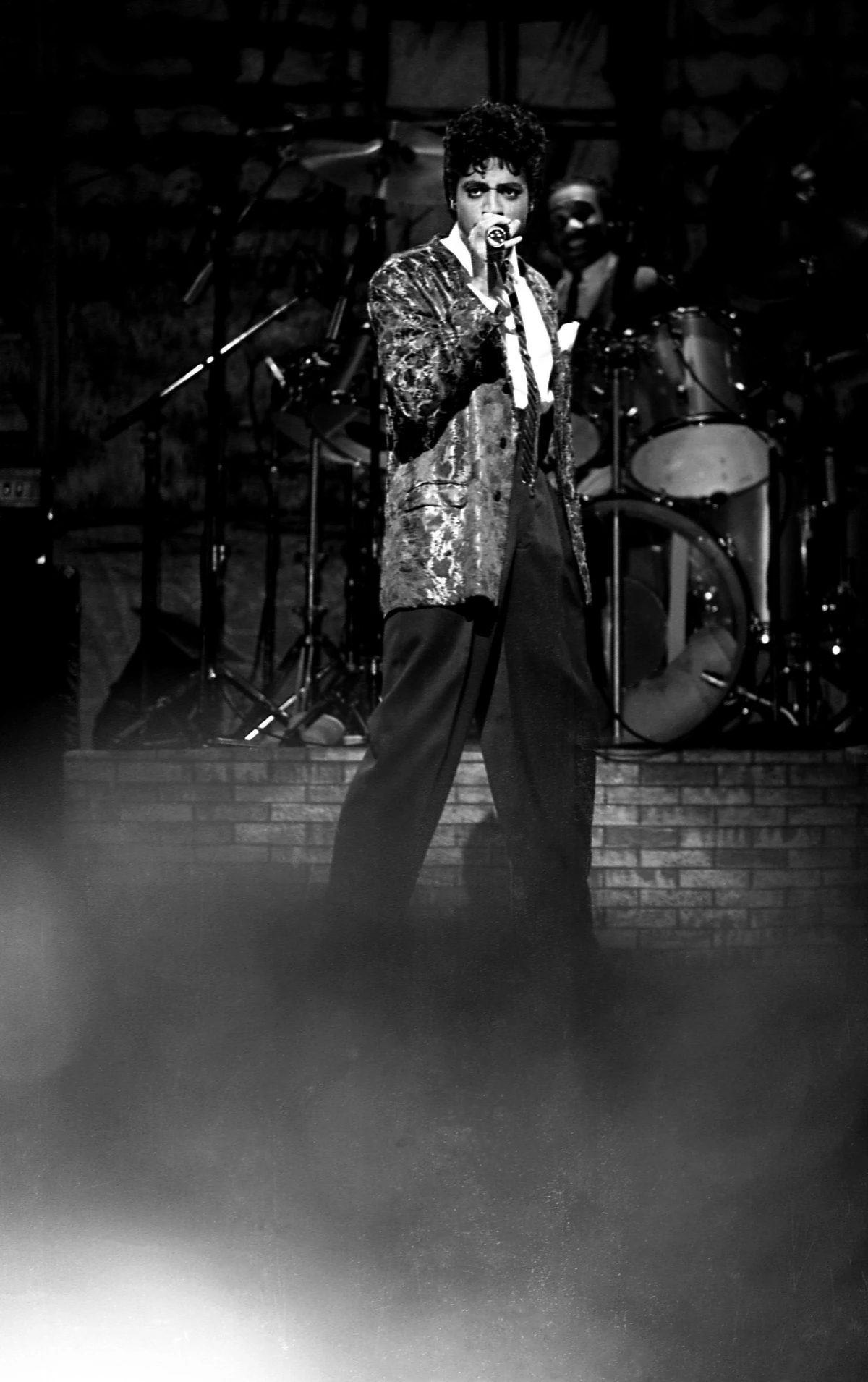
He’s not surprised people are still talking about the film four decades after its initial release.
“The film was groundbreaking on so many levels … it was the first of its kind,” adds Day, who says he’s only watched the film in its entirety one time, at its Hollywood premiere on July 26, 1984. “It somehow reminds people of a special period in their lives during the ‘80s, which is a period we all at times wish we could reclaim.”
Building the drama in Purple Rain
Fans know the film tells a more combative story behind the genesis of the song Purple Rain.
Onscreen, Melvoin and her then-girlfriend, keyboardist Lisa Coleman write the song, fighting a reluctant Prince – known only as The Kid in the movie – to let The Revolution play it onstage.
“Everytime we give you a song, you say you’re going to use it, but you never do,” Melvoin shouts at Prince during the scene, delivering some of the best acting from the musicians who mostly fill out the cast. “You think we’re doing something behind your back…you’re just being paranoid as usual.”
When Prince finally agrees to play Purple Rain onstage at the Minneapolis club First Avenue – launching into an emotional rendition topped by one of the best guitar solos in pop music – he wows the crowd and saves the band. But Melvoin says now that the friction they acted out was “movie magic” conjured to build a story; in real life, she, Lisa and Prince were very close collaborators.
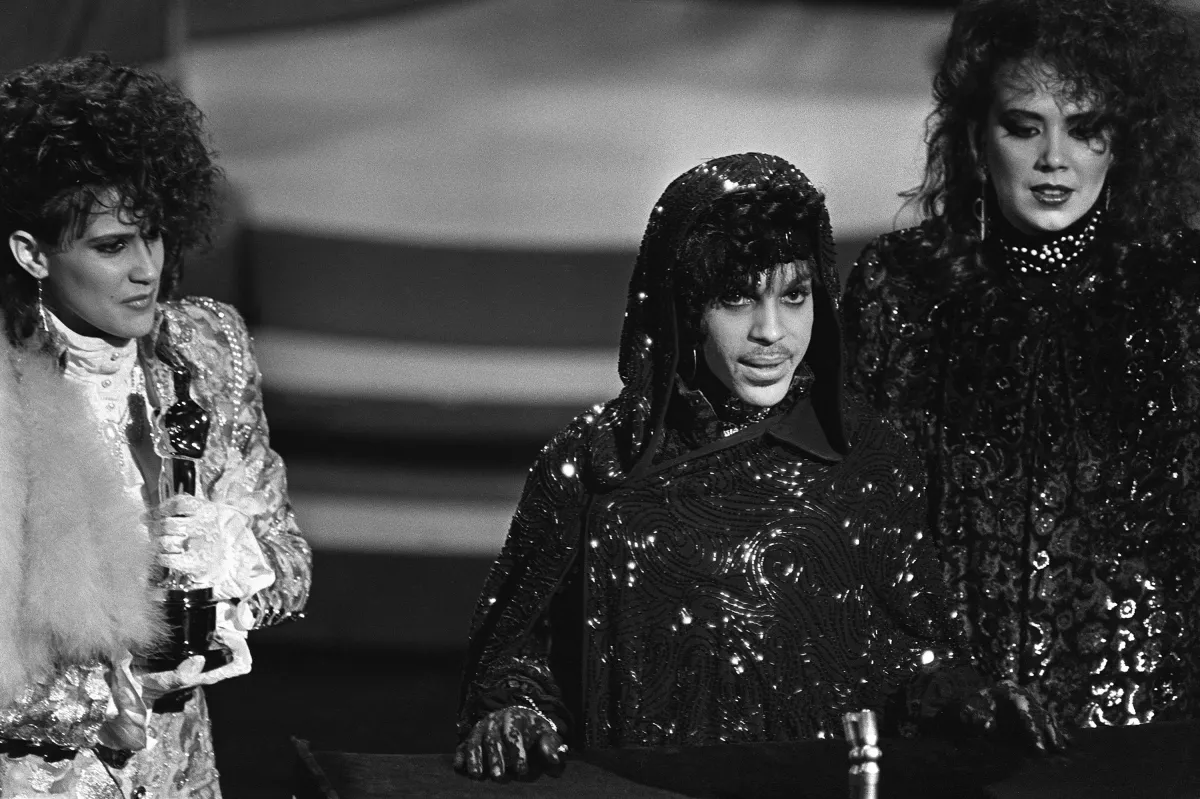
Powered by hits like the title track and the percolating dance jam I Would Die 4 U, Purple Rain burst like a lavender-tinged explosion across the pop culture landscape – launching Prince’s growing fame into the stratosphere.
The innovative dance hit When Doves Cry, recorded by Prince with no bass guitar, became his first Number One single on Billboard’s Hot 100 singles list. That was followed by his second Number One single, the rock and soul classic Let’s Go Crazy, which showcased his guitar skills at a time when rock guitar wasn’t heard often on R&B records.
Giving fans a peek behind the mystique
Prince had developed a mystique by rarely talking to the press. So, in the days before YouTube and Tik Tok, Purple Rain offered a sustained – if fictionalized – look at the inner workings of the band and his origin story for fans eager to know more.
And it centered a group of performers who were a mix of identities and ethnicities in the Midwest, making music that crossed all kinds of cultural barriers, at a time when people like that were rarely seen on the silver screen.
“That film was Prince’s version of social media,” Melvoin says. “This is funk rock and nobody’s seen a movie based on this kind of life. It [was] a trip for people to see.”
But there were also criticisms. Many of the film’s performers were amateurs, which showed in their performances. And female characters were often treated badly on screen: in one scene, Jerome Benton gets rid of a hostile woman confronting Day by tossing her into a dumpster.
“Given today’s culture, I’m certain there are moments in the film that ruffle a few feathers,” Day says. “Overall, I would like to think we did something great. And based on the overwhelming majority [of public reaction], I believe we did.”
The film ultimately proved the perfect showcase for Prince’s expansive creativity – from his ruffled shirts and big shouldered clothes to his mix of religion and sexuality in lyrics, innovative ways of recording and his seemingly endless supply of high-quality songs.
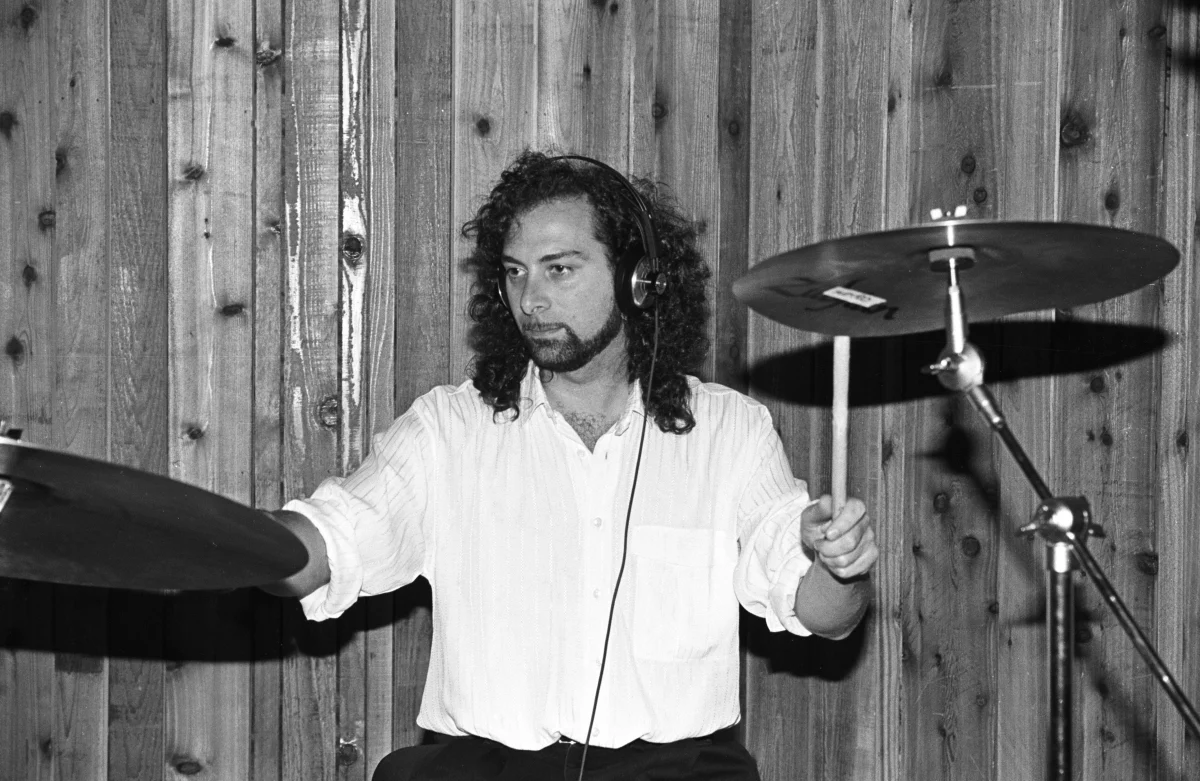
“MTV opened the door a little bit — just a teeny crack of light — and he would kick it open,” Rivkin adds. “He was innovative in fashion and culture. And it was a remarkable time for him. From humble beginnings to control [of] black culture, crossover culture … rock, funk, pop … He was on fire for quite a while.”
Continuing on without the boss
A couple of years and albums later, Prince disbanded The Revolution. But the group has reunited a few times – notably for a benefit concert after Rivkin had his first heart attack in 2010 – and after Prince died in 2016, at age 57 from an accidental fentanyl overdose. More recently, the group came together last month to perform during a five-day event in Minneapolis celebrating Purple Rain’s 40th anniversary.
[Prince] was always evolving. Once Purple Rain was done, he was on to the next. But now that I’m thinking about it, he might have thrown a big celebration at Paisley Park for the fans. Probably would have been one hell of a jam session.
Morris Day
Both Melvoin and Rivkin say they hope The Revolution can play more shows commemorating Purple Rain’s anniversary over the next year. But they also admit it can be challenging performing without their dynamic leader and frontman, even as playing together helps them process the loss.
“After he passed, it’s the only thing that we could think of to do — to be together and grieve,” Melvoin says.
And what would The Kid himself think about the legacy of his blockbuster film and album? Day says he’s not sure.
“[Prince] never liked staying in the past,” the singer adds. “He was always evolving. Once Purple Rain was done, he was on to the next. But now that I’m thinking about it, he might have thrown a big celebration at Paisley Park for the fans. Probably would have been one hell of a jam session.”
Transcript:
AILSA CHANG, HOST:
Saturday marks the 40th anniversary of a film that signaled the ascendancy of a pop superstar, Prince’s “Purple Rain.” NPR’s Eric Deggans spoke to members of his band, The Revolution, about the legacy of the movie and its title song.
(SOUNDBITE OF PRINCE SONG, “PURPLE RAIN”)
ERIC DEGGANS, BYLINE: Wendy Melvoin, guitarist for Prince’s genre-bending band, The Revolution, remembers one of their most iconic songs started with an idea – and a challenge – from the boss himself.
WENDY MELVOIN: He came to the table with this beautiful idea. He said, I have this idea, and it sounds a little bit like this. What do you guys got?
DEGGANS: What Wendy had was a mournful cascade of guitar chords that proved the perfect starting point.
(SOUNDBITE OF PRINCE SONG, “PURPLE RAIN”)
MELVOIN: I came up with that intro and that chord progression to get us into the song, and it kind of ended up being the – one of the most iconic intros to a pop ballad ever.
(SOUNDBITE OF SONG, “PURPLE RAIN”)
PRINCE: (Singing) I never meant to cause you any sorrow. I never meant to cause you any pain.
DEGGANS: Rock diva Stevie Nicks has said Prince originally suggested “Purple Rain” as a collaboration with her. Drummer Bobby Rifkin, known as Bobby Z., says, once The Revolution began playing it, the ballad developed even more power.
BOBBY RIFKIN: I still can’t help but marvel at the track “Purple Rain” itself. Just the way it was recorded live – it just seems to have this everlasting life.
DEGGANS: Fans know the film’s story is more combative. It depicts Wendy and her girlfriend, keyboardist Lisa Coleman, writing the initial idea, fighting a reluctant Prince, known only as The Kid in the movie, to let the band play it onstage.
(SOUNDBITE OF FILM, “PURPLE RAIN”)
MELVOIN: (As herself) Every time we give you a song, you say you’re going to use it, but you never do. You think we’re doing something behind your back. You’re just being paranoid, as usual.
LISA COLEMAN: (As self) Wendy.
MELVOIN: (As self) Shut up, Lisa, please. You should know by now that we wouldn’t hurt you. You should know by now that we wouldn’t put a dark cloud over your head.
DEGGANS: Filmed around the band’s Minneapolis hometown, “Purple Rain” has a simple story. Prince’s The Kid, rocked by his dad constantly beating his mother, faces turmoil in his romantic and band life. Embracing his bandmates by agreeing to play “Purple Rain” changes everything.
Bobby Z., who’d been working with Prince since the late 1970s, said the film was a response to the rise of music videos on MTV.
RIFKIN: Prince was always someone that took a step bigger than the cultural society’s step that was happening at the time. Once MTV started playing his videos, I think he just gravitated to something bigger and just said, well, I’ll just take it to the next level.
(SOUNDBITE OF SONG, “I WOULD DIE 4 U”)
PRINCE: (Singing) I would die for you. Yeah, darling, if you want me to.
DEGGANS: Powered by hits like “I Would Die 4 U,” “Purple Rain” burst like a lavender-colored explosion across pop culture, showcasing Prince’s songwriting, musicianship, kinetic onstage performances and killer fashion sense. Eventually, the movie and its soundtrack won an Oscar, two Grammy awards and towering status as a landmark musical moment.
(SOUNDBITE OF SONG, “WHEN DOVES CRY”)
PRINCE: (Singing) Why do we scream at each other? This is what it sounds like when doves cry.
DEGGANS: The innovative dance hit “When Doves Cry” became his first No. 1 single on the Billboard Hot 100.
(SOUNDBITE OF SONG, “LET’S GO CRAZY”)
PRINCE: (Singing) Are we going to let de-elevator bring us down? Oh, no. Let’s go.
DEGGANS: His second No. 1 was the rock and soul classic, “Let’s Go Crazy.”
(SOUNDBITE OF SONG, “LET’S GO CRAZY”)
PRINCE: (Singing) Let’s go crazy.
DEGGANS: Prince developed a mystique by rarely talking to the press. So in the days before YouTube and TikTok, “Purple Rain” offered a sustained, if fictionalized, look at the revolution and several of Prince’s musical offshoots. It centered a diverse array of performers rarely seen on the silver screen.
MELVOIN: You know, that film was Prince’s version of social media. This is funk rock, and no one’s seen a movie based on this kind of life. It’s going to be a trip for people to see.
DEGGANS: There were also criticisms. Many of the actors were amateurs, which showed in their performances. Female characters were often treated badly. In one scene, a hostile woman is tossed into a dumpster. But Bobby says, the film ultimately showcased Prince’s expansive creativity.
RIFKIN: MTV opened the door a little bit. Just a teeny crack of light – I mean, he would kick it open, you know, from humble beginnings to control, you know, Black culture, crossover culture.
DEGGANS: A couple of years and albums later, Prince disbanded The Revolution. But the group has reunited. Notably, for a benefit concert after Bobby had a heart attack in 2010, they also reconvened after Prince died in 2016 at age 57 from an accidental fentanyl overdose.
MELVOIN: After he passed, it’s the only thing that we could think of to do to be together and grieve. So we were just like, ugh, let’s just play, and maybe we can kind of grieve with the masses even though, you know, he’s not here.
DEGGANS: Last month, the group performed during a five-day event in Minneapolis celebrating “Purple Rain’s” anniversary. Forty years later, “Purple Rain” still stands as an impressive tribute to a singular artist and the world-shaking heights he reached with trusted band members at his side. I’m Eric Deggans.
PRINCE: (Singing) Purple rain, purple rain. Purple rain, purple rain. Purple rain, purple rain.